Get to know
their little worldby building
your little world.

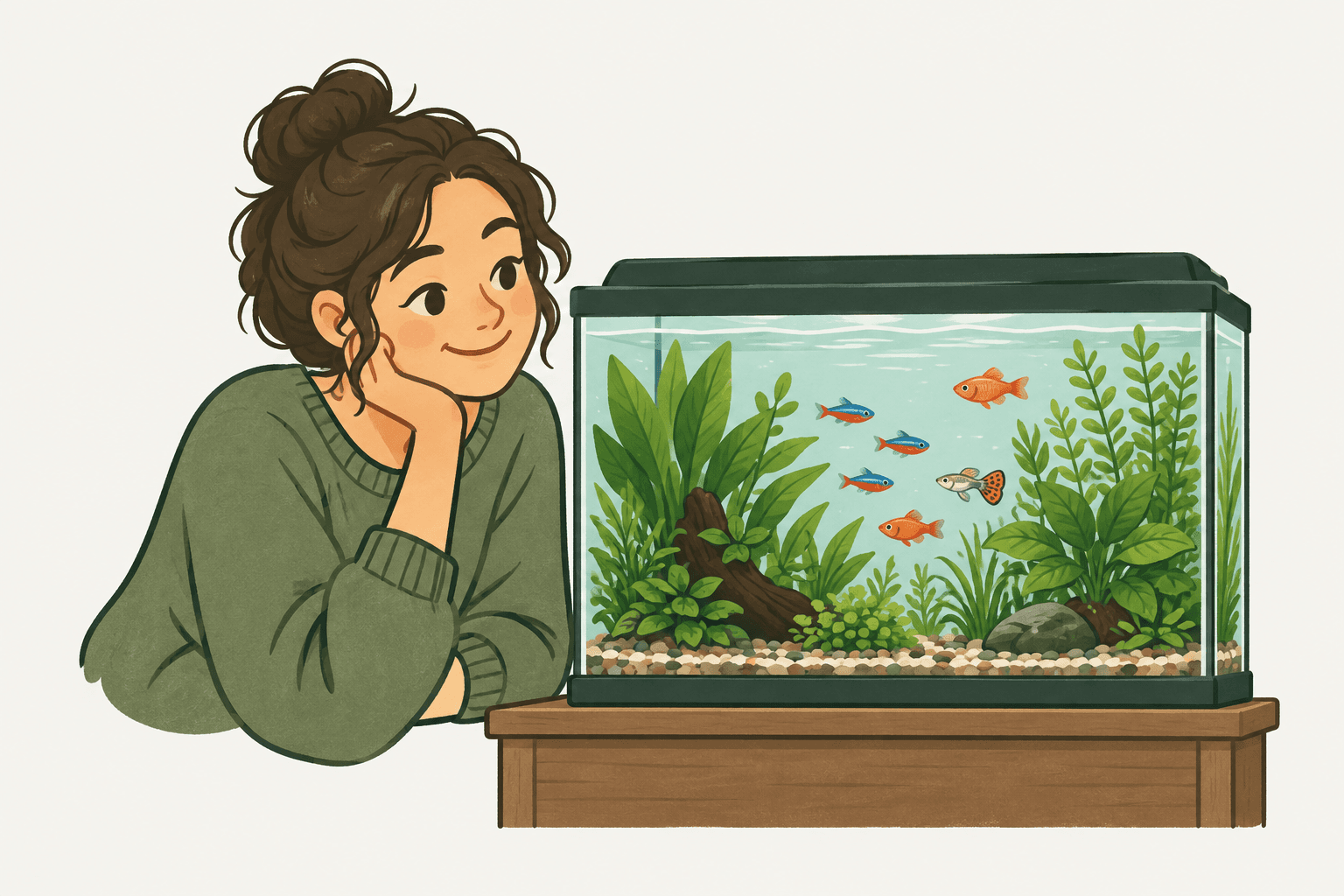
A smiling person admiring a planted aquarium filled with colorful fish

Discover the fish, plants, and invertebrates that bring an aquarium to life. Add your favorites to My Tank and compare what they need, together.

Four species to get you started

Selected species
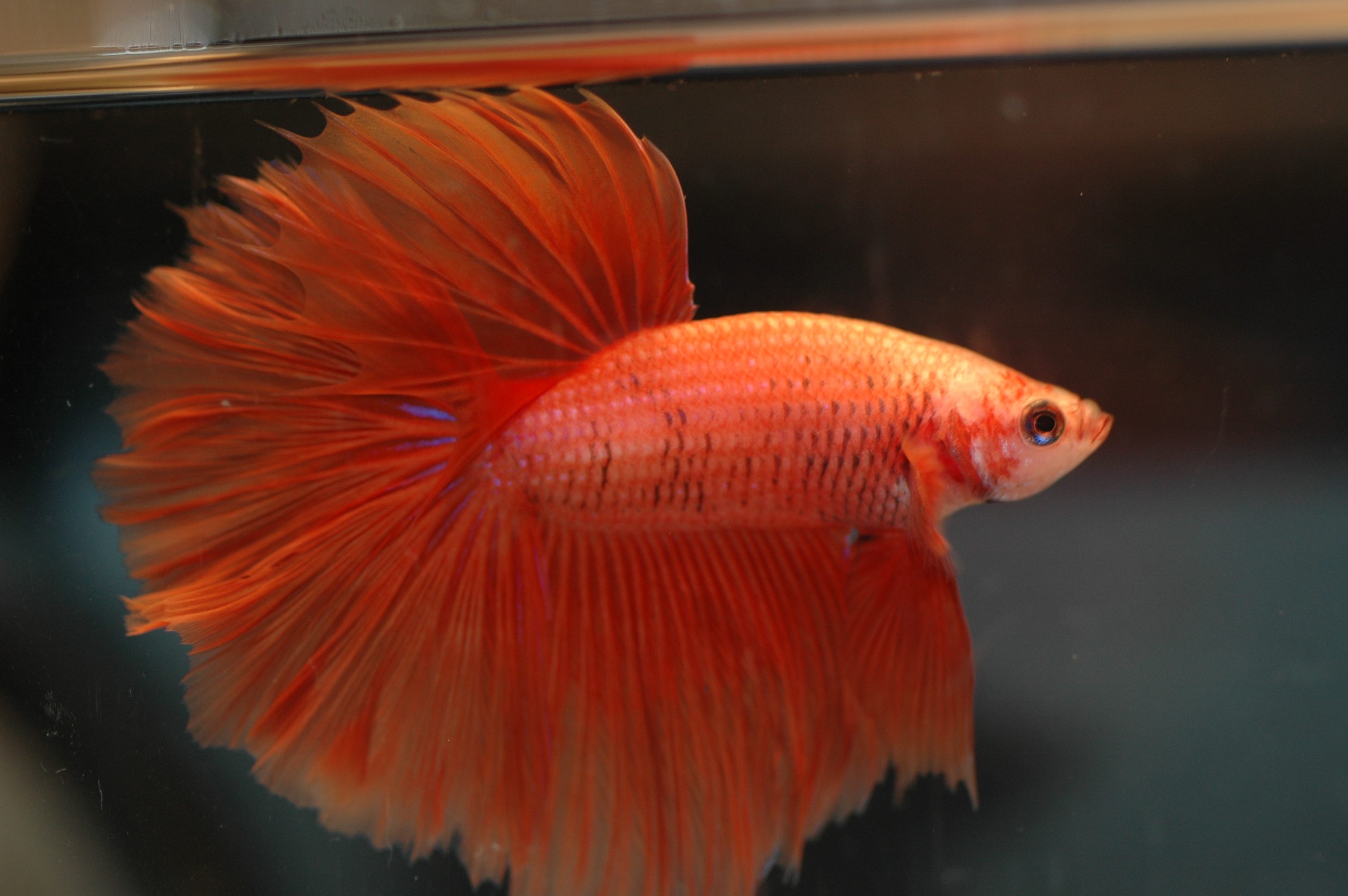
Siamese fighting fish (Betta splendens)

Fish · beginner

Siamese fighting fish

Betta splendens

Size
10 cm
Temp
23–33°C
pH
5.5–7.5
From
Southeast Asia
Quick care notes

To maintain a healthy environment for Siamese Fighting Fish, it is crucial to have a stable water temperature between 24°C and 30°C, a pH level of 6.5 to 7.5, and adequate filtration to ensure quality. Regular water changes are necessary to keep ammonia levels low, particularly in smaller setups.

Bettas are generally aggressive, particularly male Bettas, and should not be housed with other males or fin nippers. While they can coexist with some peaceful community fish, care must be taken to ensure tank mates do not provoke them.

Full care guide ↗
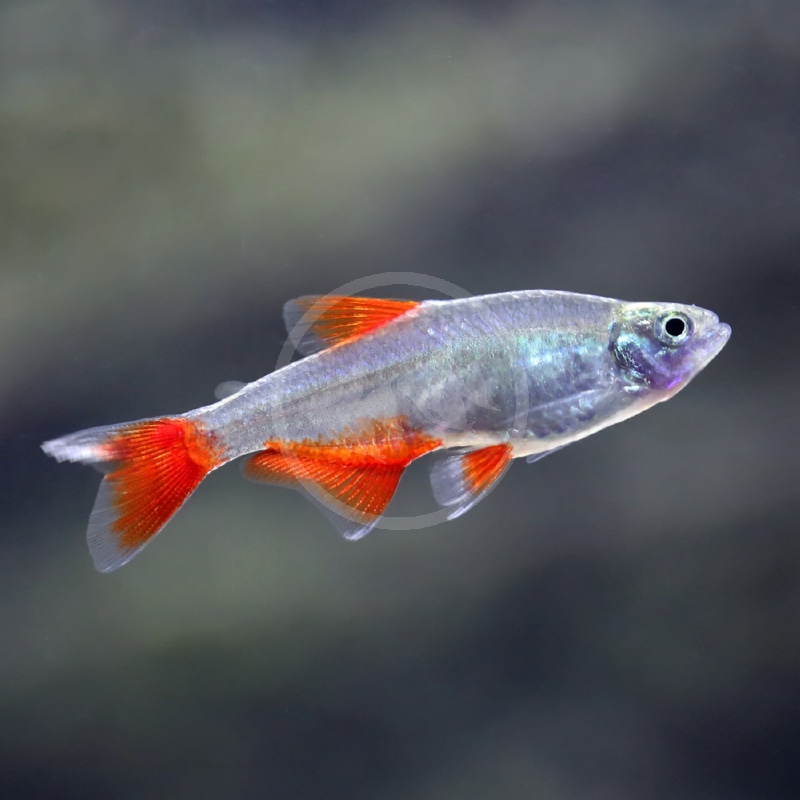
Bloodfin tetra (Aphyocharax anisitsi)

Fish · beginner

Bloodfin tetra

Aphyocharax anisitsi

Size
5.5 cm
Temp
18–28°C
pH
6–8
From
Paraná River basin
Quick care notes

For optimal care, Bloodfin Tetras require a tank of at least 38 liters (10 gallons) with a secure lid due to their propensity to jump. A peaceful community setting is ideal, ideally with at least six members of their own species to enhance their social behavior and coloration. A well-planted aquarium with natural decor enhances both the aesthetic and the well-being of the fish.

These fish are very compatible with other peaceful community species, especially other tetras. They should not be housed with aggressive or significantly larger species that may intimidate or harm them.

Full care guide ↗
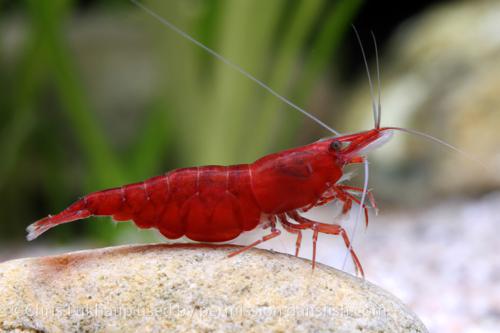
Cherry shrimp (Neocaridina davidi)

Invert · beginner

Cherry shrimp

Neocaridina davidi

Size
4 cm
Temp
20–26.7°C
pH
6.5–8
From
Taiwan
Quick care notes

For optimal care, maintain stable water parameters with a pH of 7.0-7.6 and a temperature range of 20-24°C. A gentle filtration system, such as a sponge filter, is recommended to provide adequate water movement while preventing the shrimp from being sucked in. Live plants should be included to offer natural grazing surfaces and hiding spots, which help in reducing stress levels among shrimp.

Neocaridina shrimp are generally peaceful and can cohabitate with various species of fish and snails. Their small size makes them prone to predation, so it's essential to avoid placing them with larger or aggressive fish. Peaceful nano fish like Chili Rasboras or Galaxy Rasboras are good candidates for community tanks. Additionally, keeping different color morphs of Neocaridina together can be done, although this may lead to hybridization and variations in color in subsequent generations.

Full care guide ↗
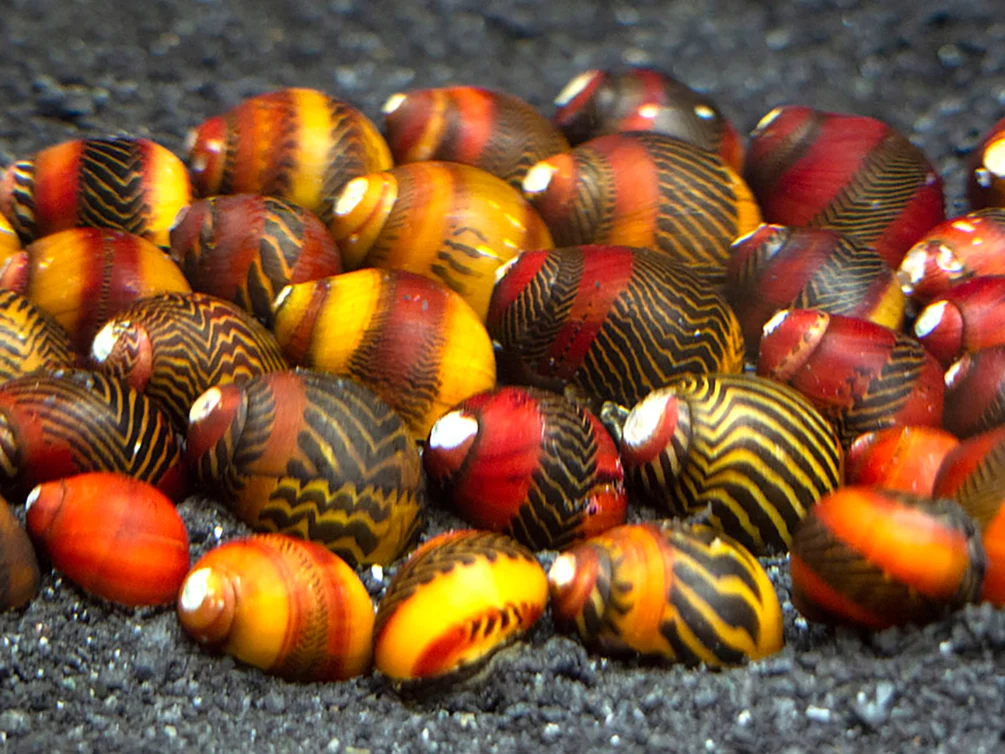
Red racer nerite (Vittina coromandeliana)

Invert · beginner

Red racer nerite

Vittina coromandeliana

Size
3 cm
Temp
22–28°C
pH
6.2–8.2
From
Pacific Islands
Quick care notes

To care for Red racer Nerite snails, ensure the aquarium is fully cycled and regularly checked for ammonia and nitrite levels. Maintain a stable pH above 7.0 to promote longevity, and supplement with calcium if needed. Keeping the tank slightly less clean encourages algae growth for feeding.

They are suitable companions for peaceful tankmates, especially dwarf shrimp. Care should be taken to avoid aggressive fish species that may nip at their antennae. Overall, they are community-safe and enhance the biodiversity of a shrimp tank.

Full care guide ↗

FRESHWATER AQUARIUM CARE GUIDES

A clearer starting point
for good fishkeeping.

How does My Tank compare species?

Add species from the search results, then open My Tank to compare their recorded care needs side by side. Shared water ranges show the overlap of recorded values. The shared minimum tank size is the largest individual minimum in your selection, not a recommended volume for the combined stocking. Water-flow preferences are compared where recorded.

What do warnings and missing data mean in My Tank?

Warnings identify conflicting recorded ranges or flow preferences and flag semi-aggressive or aggressive species. Missing values are not assumed to match: notes below the table identify incomplete comparisons where overlap is unconfirmed. Even matching parameters do not establish compatibility; review behavior, group sizes, tank dimensions, and the original care sources.

Is My Tank saved to an account?

No. Your selected species are saved in this browser using local storage, without an account or cross-device syncing. Clearing browser storage removes the saved selection. Saved care records are snapshots and do not automatically update when the catalog changes.

What is Good Fishkeeping?

Good Fishkeeping is a searchable freshwater aquarium field guide for fish, plants, and invertebrates. Each species profile brings together its identity, natural habitat, listed care parameters, care notes, photographs, and original sources.

How do I find species for my aquarium?

Search by common or scientific name, or use Filters to narrow the catalog by tank size, temperature, pH, temperament, and other characteristics. A search match is a starting point: review the full care profile and its sources before choosing inhabitants.

Where does the care information come from?

Profiles are compiled from public aquarium care sources. Species pages link to those sources and identify photo credits where available. Recommendations can differ between sources; compiled ranges are references rather than a guarantee of suitability for every aquarium.

Does matching a filter mean a species is suitable for my tank?

No. Some profiles have missing parameters, and a search may include those records. Tank dimensions, group size, existing inhabitants, and other care needs also matter. Check the full profile and its source material before making a stocking decision.
FROM SPECIES KNOWLEDGE TO TANK CONTEXT

Know their needs.
Get to know your water.

Chomper Aquatics is developing continuous freshwater aquarium monitoring to help you understand how tank conditions change over time.

Explore aquarium monitoring at Chomper Aquatics ↗
Freshwater Field Guide & Tank Comparison | Good Fishkeeping