Catalog / fish / Lemon cichlid
fish · Cichlidae
Lemon cichlid
Neolamprologus leleupi
Wild range: East Africa (Africa)
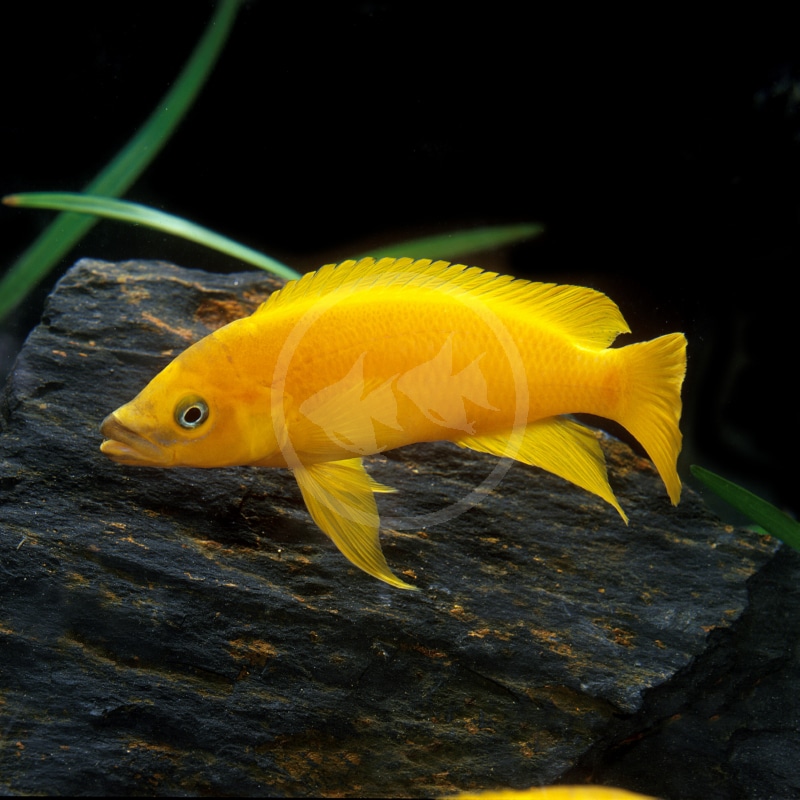
At a glance: Lemon cichlid care
Compiled reference information. Review the care notes and original sources below.
What temperature is listed for Lemon cichlid?
The compiled profile lists 23.0–28.0 °C for Lemon cichlid (Neolamprologus leleupi). Check the original sources below for context and differing recommendations.
What tank size is listed for Lemon cichlid?
The profile lists a minimum tank volume of 20.0 US gallons (75.0 liters). Volume alone does not establish suitability; consider dimensions, group size and other inhabitants alongside the full care notes.
What pH is listed for Lemon cichlid?
The compiled profile lists a pH of 7.5–9.0. Review the cited care sources alongside the other water parameters in this profile.
Natural habitat
Neolamprologus leleupi is native to Lake Tanganyika in East Africa, found in rocky habitats along the shoreline. This species prefers caves and crevices among the rocks where they can hide and spawn. They thrive in clean, well-oxygenated water, often in areas with moderate water flow.
Where they are found
The natural habitat consists of rocky landscapes where Lemon Cichlids can hide and breed. They primarily feed on small invertebrates, navigating through the complex reef structures that provide both food and territory.
Aquarium care
To care for the Lemon Cichlid, maintain stable water conditions with a pH between 7.8 and 9.0 and a temperature ranging from 23°C to 27°C. Provide hiding spots using rocks and structures to reduce stress.
Feeding
Young fry can be fed with baby brine shrimp and finely crushed flakes, while adults do well on a varied diet including pellets, flakes, and frozen foods. Regular feeding will encourage healthy growth and vibrant colors.
Compatibility
Neolamprologus leleupi is generally peaceful but may exhibit territorial behavior, especially during breeding. It is best housed with similar-sized or less aggressive species.
Breeding
Breeding can be rewarding, as pairs establish territories in caves where they will spawn. Both male and female take care of their eggs and fry, exhibiting protective behaviors throughout the developmental stages.
Sources
Compiled from multiple independent care sheets — not copied from a single site.