Catalog / fish / Keyhole cichlid
fish · Cichlidae
Keyhole cichlid
Cleithracara maronii
Wild range: Trinidad, Tobago, Venezuela, Guyana, Suriname, French Guiana (South America)
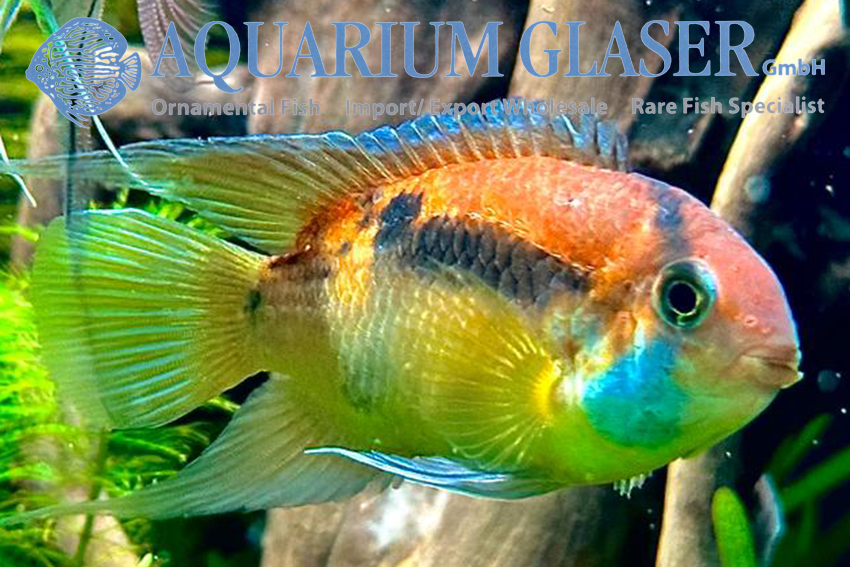
At a glance: Keyhole cichlid care
Compiled reference information. Review the care notes and original sources below.
What temperature is listed for Keyhole cichlid?
The compiled profile lists 20.0–28.0 °C for Keyhole cichlid (Cleithracara maronii). Check the original sources below for context and differing recommendations.
What tank size is listed for Keyhole cichlid?
The profile lists a minimum tank volume of 20.0 US gallons (75.0 liters). Volume alone does not establish suitability; consider dimensions, group size and other inhabitants alongside the full care notes.
What pH is listed for Keyhole cichlid?
The compiled profile lists a pH of 5.0–7.5. Review the cited care sources alongside the other water parameters in this profile.
Natural habitat
Native to northeastern South America, Keyhole Cichlids inhabit slow-moving coastal rivers, streams, and flooded areas. These fish thrive in soft and slightly acidic waters and prefer environments rich in vegetation, providing necessary cover and security.
Where they are found
Their native range spans several South American countries including Venezuela and Guyana, primarily inhabiting the Orinoco River basin.
Aquarium care
Keyhole cichlids are hardy and easy to care for, ideally suited for beginners. They flourish in well-maintained tanks with slow-moving water, abundant hiding spots, and stable water parameters.
Feeding
Feed Keyhole Cichlids a varied diet including high-quality sinking pellets, frozen bloodworms, and blanched vegetables. It's important to provide multiple small feedings daily to cater to their timid eating habits and ensure they get enough food without competition from more aggressive tankmates.
Compatibility
These cichlids are peaceful and should be kept with similar-sized, non-aggressive fish. They do well in community tanks and benefit from the presence of dither species to reduce their shyness.
Breeding
Breeding is relatively simple, requiring a dedicated breeding area with flat surfaces for egg-laying. Both parents take an active role in caring for the eggs and fry, offering protection and guidance until they mature.
Sources
Compiled from multiple independent care sheets — not copied from a single site.