fish · Cichlidae
Frontosa
Cyphotilapia frontosa
Wild range: Lake Tanganyika (Africa)
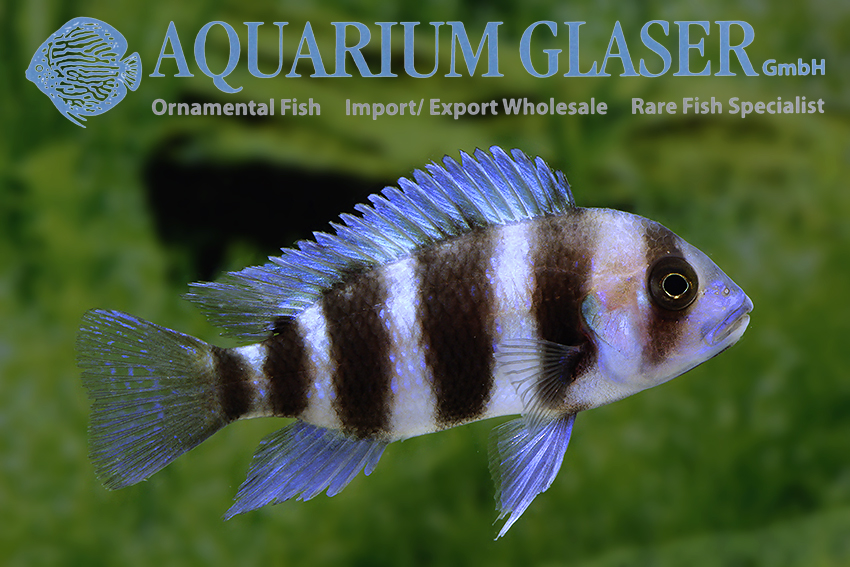
At a glance: Frontosa care
Compiled reference information. Review the care notes and original sources below.
What temperature is listed for Frontosa?
The compiled profile lists 22.0–28.0 °C for Frontosa (Cyphotilapia frontosa). Check the original sources below for context and differing recommendations.
What tank size is listed for Frontosa?
The profile lists a minimum tank volume of 70.0 US gallons (265.0 liters). Volume alone does not establish suitability; consider dimensions, group size and other inhabitants alongside the full care notes.
What pH is listed for Frontosa?
The compiled profile lists a pH of 7.8–9.0. Review the cited care sources alongside the other water parameters in this profile.
Natural habitat
Frontosa Cichlids are native to the deep waters of Lake Tanganyika in East Africa, preferring areas with rocky substrates where they can find hiding places and feel secure. They thrive in alkaline, warm water that resembles their natural habitat.
Where they are found
The Frontosa Cichlid is native to Lake Tanganyika, which is one of the oldest and deepest lakes in the world. Wild populations are less common due to overfishing and habitat loss. Captive-bred varieties are more commonly available in the aquarium trade.
Aquarium care
To maintain Frontosa Cichlids in captivity, it is essential to create a spacious aquarium that mimics their natural rocky habitat. Ensure the water parameters align with their requirements, including temperature and pH levels. Regular water changes and filter maintenance contribute to their well-being.
Feeding
Frontosa Cichlids are carnivores and should be fed a varied diet that includes high-quality flake and pellet foods, along with freeze-dried food such as krill and plankton. A balanced diet will enhance their color and overall health.
Compatibility
Frontosa Cichlids are generally peaceful and should be kept with larger species that won't be perceived as food. It is important to avoid aggressive tankmates to ensure a harmonious aquarium environment.
Breeding
Breeding Frontosa Cichlids can be achieved in a suitably-sized community tank with the appropriate male-to-female ratios. Females are mouthbrooders; they incubate the eggs in their mouths until they hatch, which typically takes around 40-54 days.
Sources
Compiled from multiple independent care sheets — not copied from a single site.