Catalog / fish / Schwartz's corydoras
fish · Callichthyidae
Schwartz's corydoras
Corydoras schwartzi
Wild range: Amazon Basin (South America)
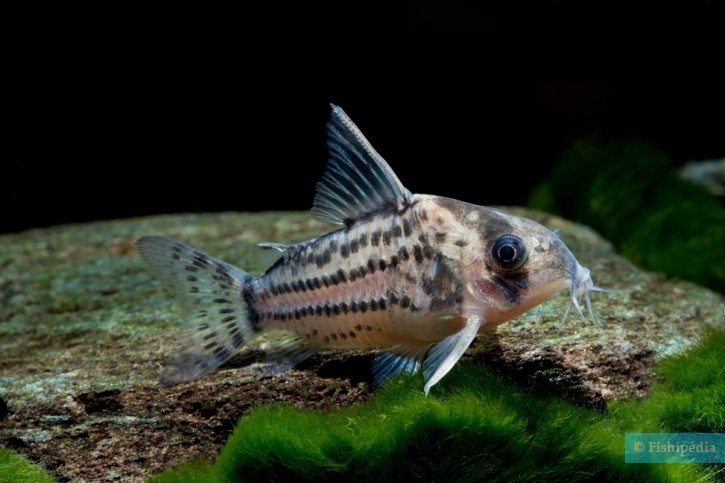
At a glance: Schwartz's corydoras care
Compiled reference information. Review the care notes and original sources below.
What temperature is listed for Schwartz's corydoras?
The compiled profile lists 22.0–26.0 °C for Schwartz's corydoras (Corydoras schwartzi). Check the original sources below for context and differing recommendations.
What tank size is listed for Schwartz's corydoras?
The profile lists a minimum tank volume of 16.0 US gallons (60.0 liters). Volume alone does not establish suitability; consider dimensions, group size and other inhabitants alongside the full care notes.
What pH is listed for Schwartz's corydoras?
The compiled profile lists a pH of 6.0–7.5. Review the cited care sources alongside the other water parameters in this profile.
Natural habitat
The Schwartz Cory is known for its adaptable nature and can thrive in environments that replicate its natural habitat of clear, slow-moving streams and rivers. A sandy substrate, with ample hiding spots created by rocks and plants, mimics the environment where they are found in the wild.
Where they are found
This species is found in the Brazilian Amazon, showcasing a preference for soft, sandy riverbeds that offer safety and nourishment from various detritus.
Aquarium care
In an aquarium, Schwartz's Cory requires a soft sand substrate to protect their sensitive barbels. They thrive in peaceful community tanks with similar-sized companions and should be kept in groups of at least five to exhibit their natural social behavior. Ample cover and plants are essential for their comfort and security.
Feeding
Schwartz Corys are omnivorous and should be fed a varied diet that includes high-quality sinking pellets, algae wafers, and occasional live or frozen foods like bloodworms and brine shrimp to maintain their health and vibrant coloration.
Compatibility
This species is known to be very peaceful and can be safely housed with many other community fish. However, they might be shy and benefit from tank mates that are similarly peaceful. It’s recommended to avoid aggressive species that may stress them.
Breeding
Breeding can be stimulated by a significant water change. The male will fertilize the eggs held by the female, which will then attach to surfaces in the aquarium. Be cautious of fungal growth on the eggs; consider using methylene blue to prevent this.
Sources
Compiled from multiple independent care sheets — not copied from a single site.