Catalog / invertebrates / Mexican dwarf crayfish
invertebrate · Cambaridae
Mexican dwarf crayfish
Cambarellus patzcuarensis
Wild range: Mexico and the southern United States (North America)
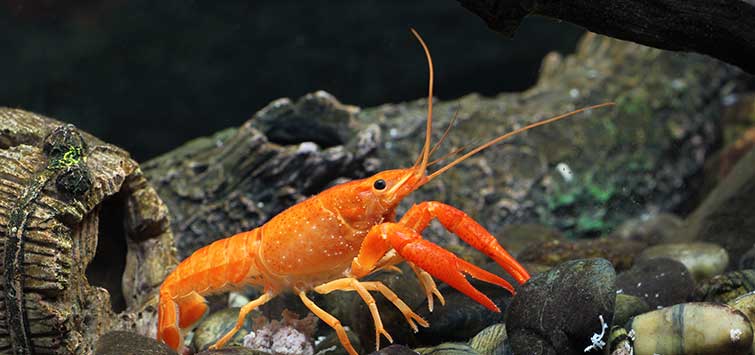
At a glance: Mexican dwarf crayfish care
Compiled reference information. Review the care notes and original sources below.
What temperature is listed for Mexican dwarf crayfish?
The compiled profile lists 15.6–25.0 °C for Mexican dwarf crayfish (Cambarellus patzcuarensis). Check the original sources below for context and differing recommendations.
What tank size is listed for Mexican dwarf crayfish?
The profile lists a minimum tank volume of 5.0 US gallons (18.9 liters). Volume alone does not establish suitability; consider dimensions, group size and other inhabitants alongside the full care notes.
What pH is listed for Mexican dwarf crayfish?
The compiled profile lists a pH of 6.0–8.0. Review the cited care sources alongside the other water parameters in this profile.
Natural habitat
Dwarf Crayfish are found in slow-moving waters in warm conditions, typically in shallow areas rich with vegetation. This habitat provides safety and food sources for them, allowing them to thrive.
Where they are found
They are native to a volcanic crater lake, known for its relatively stable ecological conditions and unique biodiversity.
Aquarium care
For successful husbandry, maintain stable water parameters including a pH of 6-8 and a temperature between 18-25°C. Provide plenty of hiding spots with caves or driftwood, and ensure the substrate is soft enough for them to forage without damage. Regular water changes and a varied diet will enhance their health and coloration.
Feeding
These crayfish are omnivores and do well on sinking pellets, algae wafers, and protein-rich foods such as bloodworms and brine shrimp. It's important to avoid overfeeding, as excess food can deteriorate water quality.
Compatibility
While generally peaceful, they may prey on small shrimp, especially during their molts, making separate housing for dwarf shrimp recommended. Larger invertebrates, such as snails, can be safely kept together with CPOs.
Breeding
Mating does not require much intervention, but stable temperatures may encourage breeding. Females carry eggs and provide care until they hatch, after which, juveniles should be monitored to prevent cannibalism.
Sources
Compiled from multiple independent care sheets — not copied from a single site.