Catalog / fish / Snakehead betta
fish · Osphronemidae
Snakehead betta
Betta channoides
Wild range: Southeast Asia (Asia)
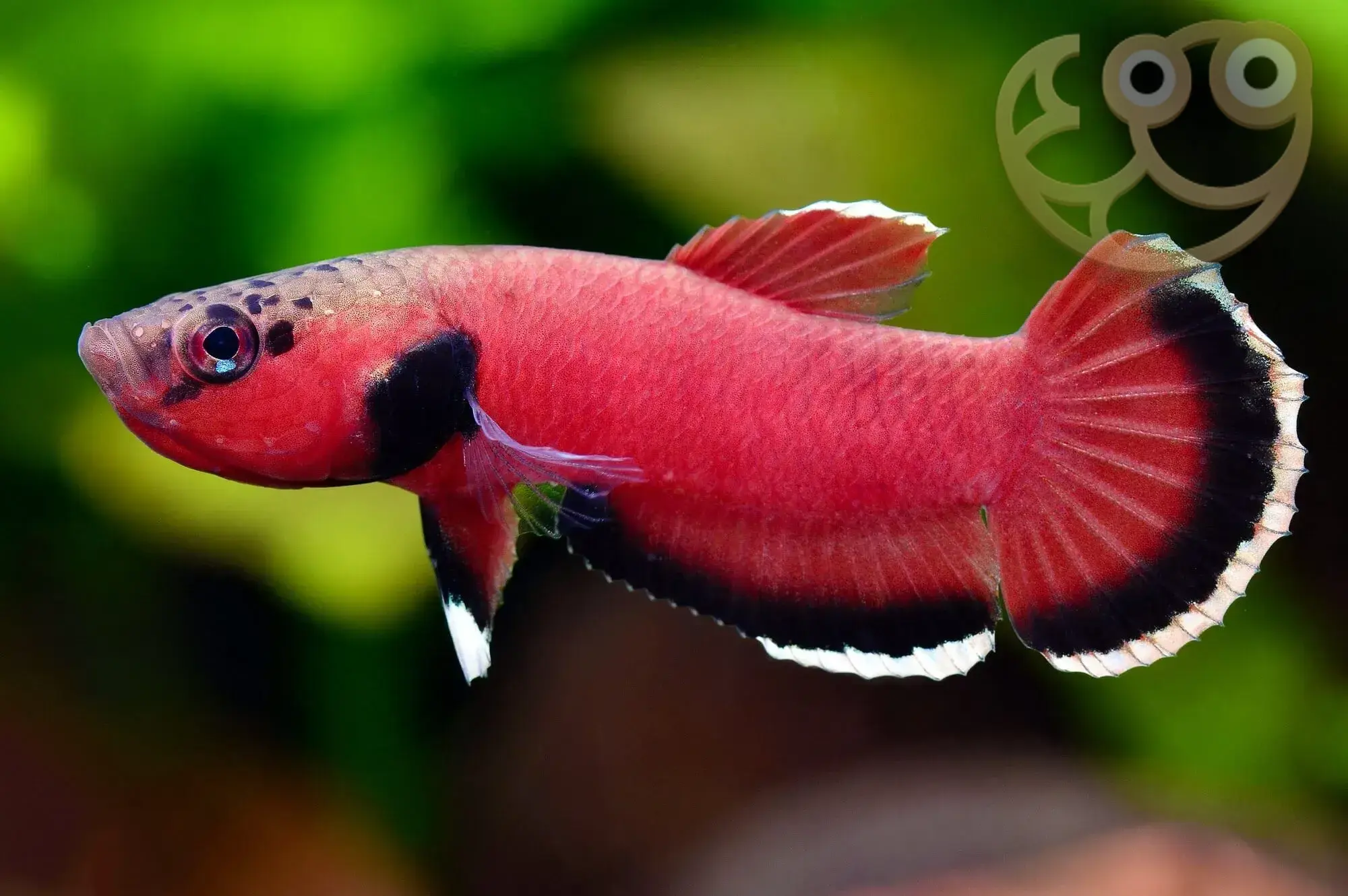
At a glance: Snakehead betta care
Compiled reference information. Review the care notes and original sources below.
What temperature is listed for Snakehead betta?
The compiled profile lists 24.0–28.0 °C for Snakehead betta (Betta channoides). Check the original sources below for context and differing recommendations.
What tank size is listed for Snakehead betta?
The profile lists a minimum tank volume of 5.3 US gallons (20.0 liters). Volume alone does not establish suitability; consider dimensions, group size and other inhabitants alongside the full care notes.
What pH is listed for Snakehead betta?
The compiled profile lists a pH of 4.0–6.5. Review the cited care sources alongside the other water parameters in this profile.
Natural habitat
Betta channoides is native to the blackwater streams and peat swamps of Borneo, specifically in the Mahakam River basin. These environments are characterized by soft, acidic water with high concentrations of tannins, giving the water a tea-colored appearance, which is crucial for their survival and well-being.
Where they are found
The natural distribution of Betta channoides is concentrated in specific regions of Borneo, particularly in areas with dense forestation. These habitats are often threatened by deforestation and human activities, posing a risk to the species' population in the wild.
Aquarium care
To ensure optimal care for Snakehead Bettas, it's essential to mimic their natural habitat as closely as possible. Use gentle filtration, avoiding strong currents that can stress the fish. Incorporating watery plants and leaf litter will enhance their living conditions. Regular water changes of 25-50% weekly are crucial to maintain water quality.
Feeding
A varied diet of live and frozen foods is recommended to condition Betta channoides for breeding and to keep them healthy. Foods such as daphnia, brine shrimp, and high-quality pellets can be part of their diet.
Compatibility
These fish are best kept either alone or with a single female due to their peaceful temperament. Avoid mixing them with aggressive fish or those that could intimidate them during feeding times.
Breeding
This species is a paternal mouthbrooder, where the male incubates eggs and fry in his mouth for approximately 10 to 14 days. Conditions in the breeding environment should replicate their natural habitat as closely as possible, with the male providing care for the offspring during this period.
Sources
Compiled from multiple independent care sheets — not copied from a single site.