Catalog / plants / Phoenix moss
plant
Phoenix moss
Fissidens fontanus
Wild range: Freshwater streams and rivers (North America)
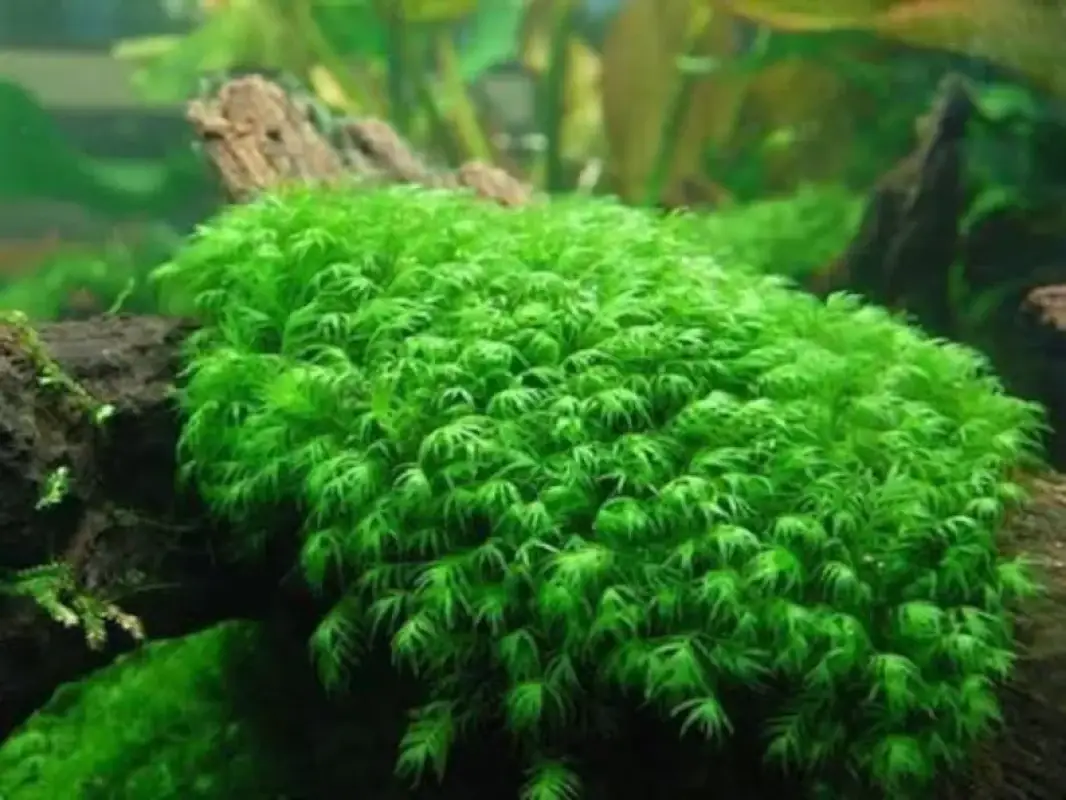
At a glance: Phoenix moss care
Compiled reference information. Review the care notes and original sources below.
What temperature is listed for Phoenix moss?
The compiled profile lists 18.0–28.0 °C for Phoenix moss (Fissidens fontanus). Check the original sources below for context and differing recommendations.
What tank size is listed for Phoenix moss?
The profile lists a minimum tank volume of 2.6 US gallons (10.0 liters). Volume alone does not establish suitability; consider dimensions, group size and other inhabitants alongside the full care notes.
What pH is listed for Phoenix moss?
The compiled profile lists a pH of 6.0–7.5. Review the cited care sources alongside the other water parameters in this profile.
Natural habitat
Fissidens fontanus, commonly known as Phoenix Moss, is a freshwater moss native to North America. It thrives in various aquatic environments, often found in lightly shaded areas with gentle water flow. The moss is appreciated for its lush texture and ability to enhance aquascapes.
Where they are found
This species is commonly found in freshwater streams and rivers throughout North America, particularly in shaded areas where it can get moderate light.
Aquarium care
Phoenix Moss requires low to medium light levels for optimal growth. It does not need additional CO2 injection and can thrive in the water column by drawing nutrients directly from it. Regular fertilization will enhance its growth, but be cautious of algae formation due to intense lights.
Feeding
As a moss species, Phoenix Moss does not require specific feeding but benefits from nutrient-rich conditions in the aquarium.
Compatibility
Phoenix Moss is compatible with various shrimp species and peaceful fish, making it a safe addition to community tanks. It provides essential cover for fry, helping them feel secure and thrive.
Breeding
Propagation is done by separating pieces of the moss and attaching them to hard surfaces like wood or rocks, allowing them to grow and thrive in the aquarium setting.
Sources
Compiled from multiple independent care sheets — not copied from a single site.