Catalog / invertebrates / Miami cave crayfish
invertebrate · Cambaridae
Miami cave crayfish
Procambarus milleri
Wild range: Southeastern United States (North America)
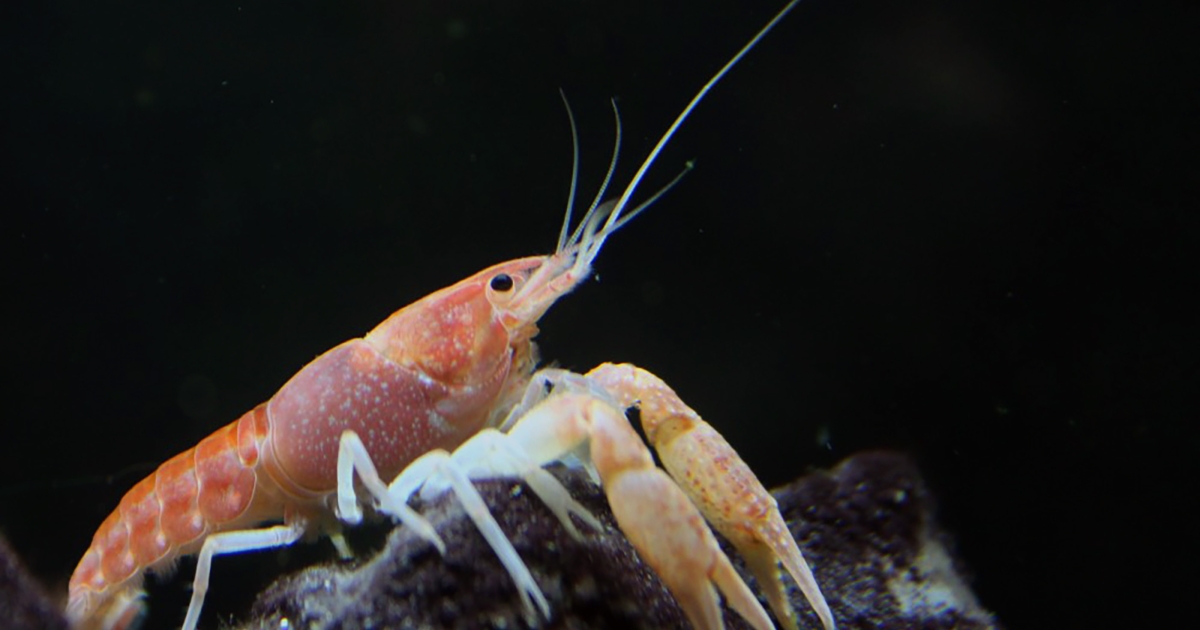
At a glance: Miami cave crayfish care
Compiled reference information. Review the care notes and original sources below.
What temperature is listed for Miami cave crayfish?
The compiled profile lists 18.0–25.0 °C for Miami cave crayfish (Procambarus milleri). Check the original sources below for context and differing recommendations.
What tank size is listed for Miami cave crayfish?
The profile lists a minimum tank volume of 26.4 US gallons (100.0 liters). Volume alone does not establish suitability; consider dimensions, group size and other inhabitants alongside the full care notes.
What pH is listed for Miami cave crayfish?
The compiled profile lists a pH of 6.5–8.0. Review the cited care sources alongside the other water parameters in this profile.
Natural habitat
Procambarus milleri is a troglobitic species adapted to life in the subterranean karst habitats of the Miami Oolite formation. This crayfish thrives within shallow freshwater aquifers that are crucial for maintaining its ecological niche. Nutrients filter into the aquifers from surface vegetation, which supports the food chain necessary for its survival.
Where they are found
This species is endemic to Florida, primarily found within a narrow range of approximately 30 km x 7 km in Miami-Dade County. Most specimens have been collected from wells that access the aquifer, suggesting a limited distribution tightly linked to the aquifer's environmental conditions.
Aquarium care
To keep Miami Cave Crayfish in an aquarium, it’s vital to simulate their natural habitat with a low-light environment, gentle filtration, and stable water parameters. Ensure the tank is adequately covered to prevent escapes, as these crayfish are known to be good climbers. Regular monitoring of the water quality is necessary for the health of the species.
Feeding
Diet-wise, this species is omnivorous and will consume both plant matter and detritus. In captivity, a varied diet featuring high-quality sinking pellets, blanched vegetables, and occasional protein sources is recommended.
Compatibility
Miami Cave Crayfish are generally peaceful but can be territorial during breeding periods. They can be kept with other small, non-aggressive freshwater species, but care should be taken to ensure they aren't outcompeted for food.
Breeding
Reproductive behavior can occur year-round in captivity under stable conditions. Mating typically requires specific water parameters and a safe environment. Female crayfish will carry fertilized eggs until they hatch, requiring attention during this period to avoid predation from other tank inhabitants.
Sources
Compiled from multiple independent care sheets — not copied from a single site.