Catalog / fish / Redtail splitfin
fish · Goodeidae
Redtail splitfin
Xenotoca eiseni
Wild range: Mexico (North America)
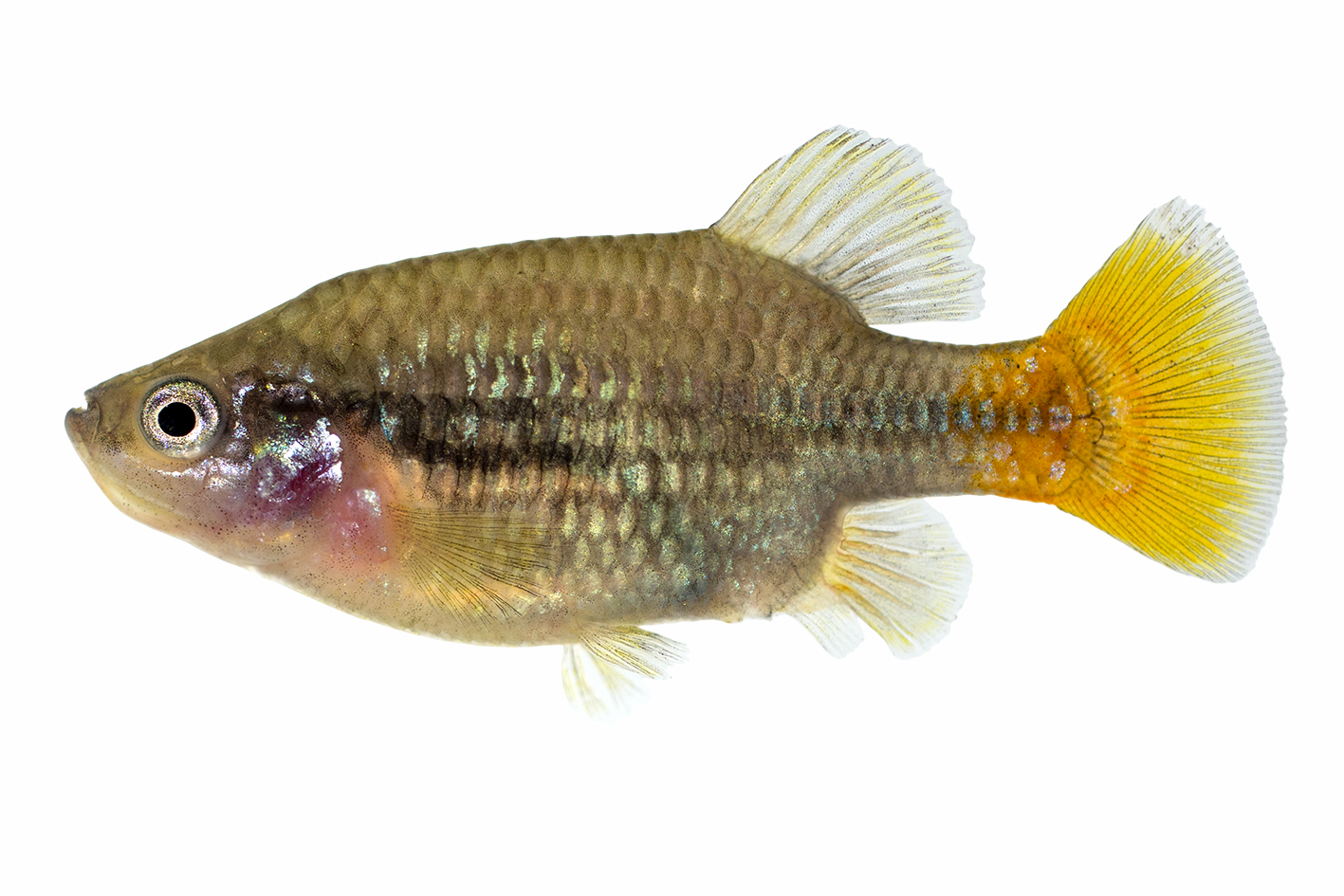
At a glance: Redtail splitfin care
Compiled reference information. Review the care notes and original sources below.
What temperature is listed for Redtail splitfin?
The compiled profile lists 15.0–27.0 °C for Redtail splitfin (Xenotoca eiseni). Check the original sources below for context and differing recommendations.
What tank size is listed for Redtail splitfin?
The profile lists a minimum tank volume of 26.4 US gallons (100.0 liters). Volume alone does not establish suitability; consider dimensions, group size and other inhabitants alongside the full care notes.
What pH is listed for Redtail splitfin?
The compiled profile lists a pH of 6.0–8.0. Review the cited care sources alongside the other water parameters in this profile.
Natural habitat
Redtail splitfins inhabit a variety of habitats including rivers, streams, and ponds where water can be either clear or turbid. Their natural environment features substrates of silt, sand, and stones, with varying currents ranging from standing water to moderately flowing streams. Such diverse habitats reflect their adaptability in the wild.
Where they are found
Xenotoca eiseni is endemic to the Mexican state of Nayarit, primarily found in springs and creeks along the Río Mololoa and nearby areas.
Aquarium care
To maintain optimal care for redtail splitfins in an aquarium, it is crucial to provide a minimum of 100 liters for a small group of 5-10 fish. This setup should include plenty of swimming space and hiding spots provided by plants, rocks, and roots. Regular water quality monitoring is important due to their sensitivity to ammonia and nitrite levels, necessitating the use of effective filtration and routine water changes.
Feeding
This species is omnivorous and thrives on a diet including algae, detritus, and high-quality prepared foods. Regular feeding with fine plant matter is recommended to mimic natural feeding habits.
Compatibility
Xenotoca eiseni is relatively peaceful but can exhibit aggression in males, especially during mating periods. A larger group with plenty of hiding spots is advisable to minimize conflicts.
Breeding
This species is viviparous, undergoing a gestation period of approximately 4 to 6 weeks before giving birth to live young, typically measuring 1-2 cm. Providing the right environmental conditions and avoiding stress can enhance breeding success. It’s a remarkable sight for aquarists to observe the birth of fry, who are often ready to swim independently shortly after birth.
Sources
Compiled from multiple independent care sheets — not copied from a single site.