Catalog / fish / Moonlight gourami
fish · Osphronemidae
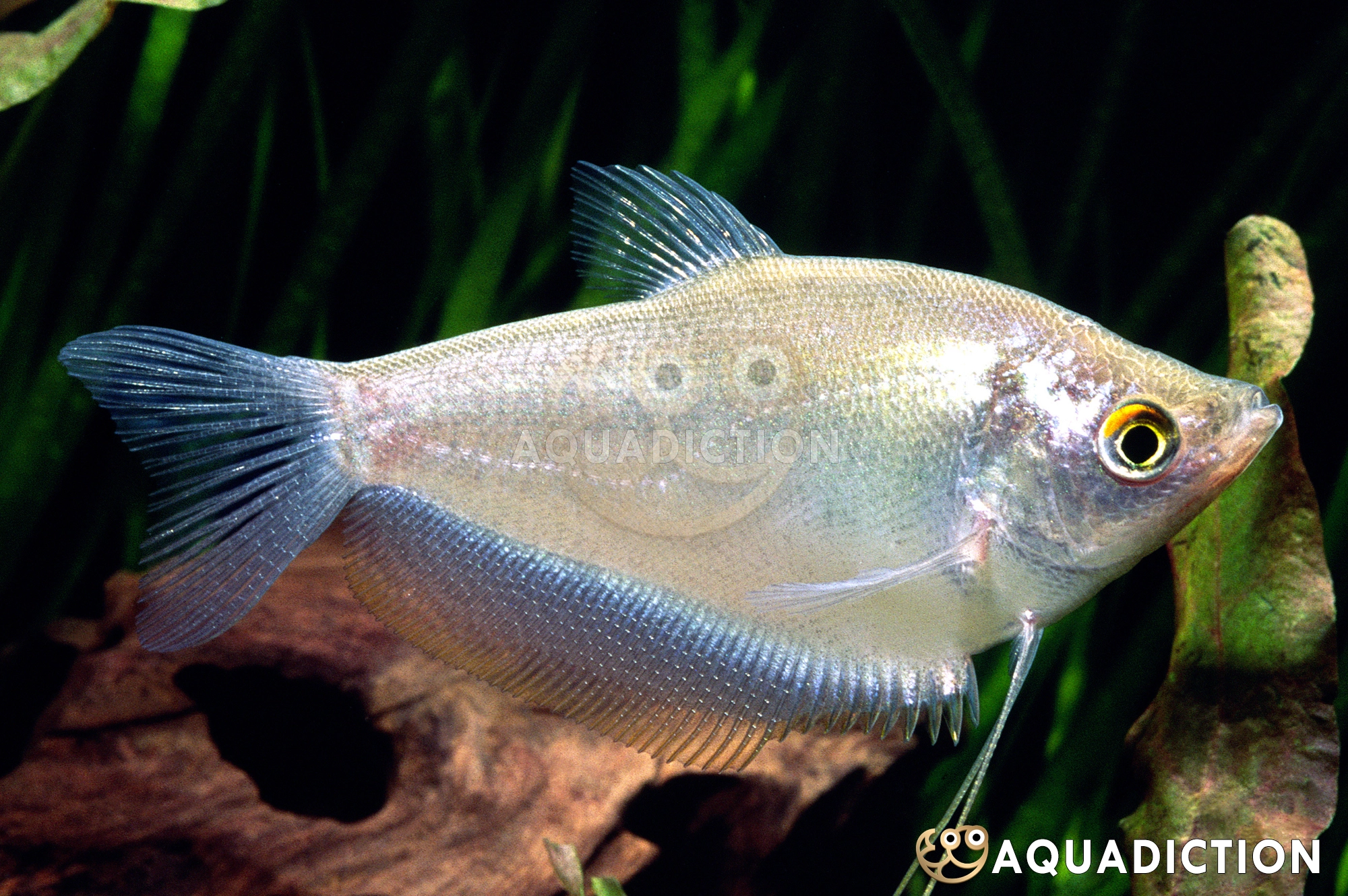
Moonlight gourami
Trichopodus microlepis
Wild range: Southeast Asia (Asia)
At a glance: Moonlight gourami care
Compiled reference information. Review the care notes and original sources below.
What temperature is listed for Moonlight gourami?
The compiled profile lists 24.0–30.0 °C for Moonlight gourami (Trichopodus microlepis). Check the original sources below for context and differing recommendations.
What tank size is listed for Moonlight gourami?
The profile lists a minimum tank volume of 29.0 US gallons (110.0 liters). Volume alone does not establish suitability; consider dimensions, group size and other inhabitants alongside the full care notes.
What pH is listed for Moonlight gourami?
The compiled profile lists a pH of 5.5–7.5. Review the cited care sources alongside the other water parameters in this profile.
Natural habitat
Moonlight Gourami inhabit swamps and slow-moving waters, with a preference for densely vegetated areas. They thrive in environments that provide cover and a rich supply of food sources.
Where they are found
The natural range of the Moonlight Gourami includes regions with slow or still waters. Such environments typically feature abundant plant life, which plays a significant role in the fish's behavior and comfort. Maintaining similar conditions in aquariums will help replicate their native habitat and promote health and longevity.
Aquarium care
To keep Moonlight Gourami, ensure a minimum tank size of 110 liters with minimal water flow. Incorporate plenty of plants for hiding and swimming space. Avoid aggressive or fin-nipping tank mates.
Feeding
Moonlight Gouramis are omnivorous and have a varied diet. They thrive on high-quality flakes and pellets, but can also benefit from live or frozen food such as brine shrimp, bloodworms, and daphnia. Providing a range of foods will enhance their health and vibrant coloration.
Compatibility
Moonlight Gouramis are peaceful and work well in community tanks with other non-aggressive species. They should not be housed with fin-nippers or overly aggressive fish, as this can stress them and disrupt their peaceful nature.
Breeding
Males build bubble nests where females release eggs. A breeding tank with soft, acidic water, floating plants, and minimal current is essential for successful breeding.
Sources
Compiled from multiple independent care sheets — not copied from a single site.