Catalog / fish / Peacock cichlid
fish · Cichlidae
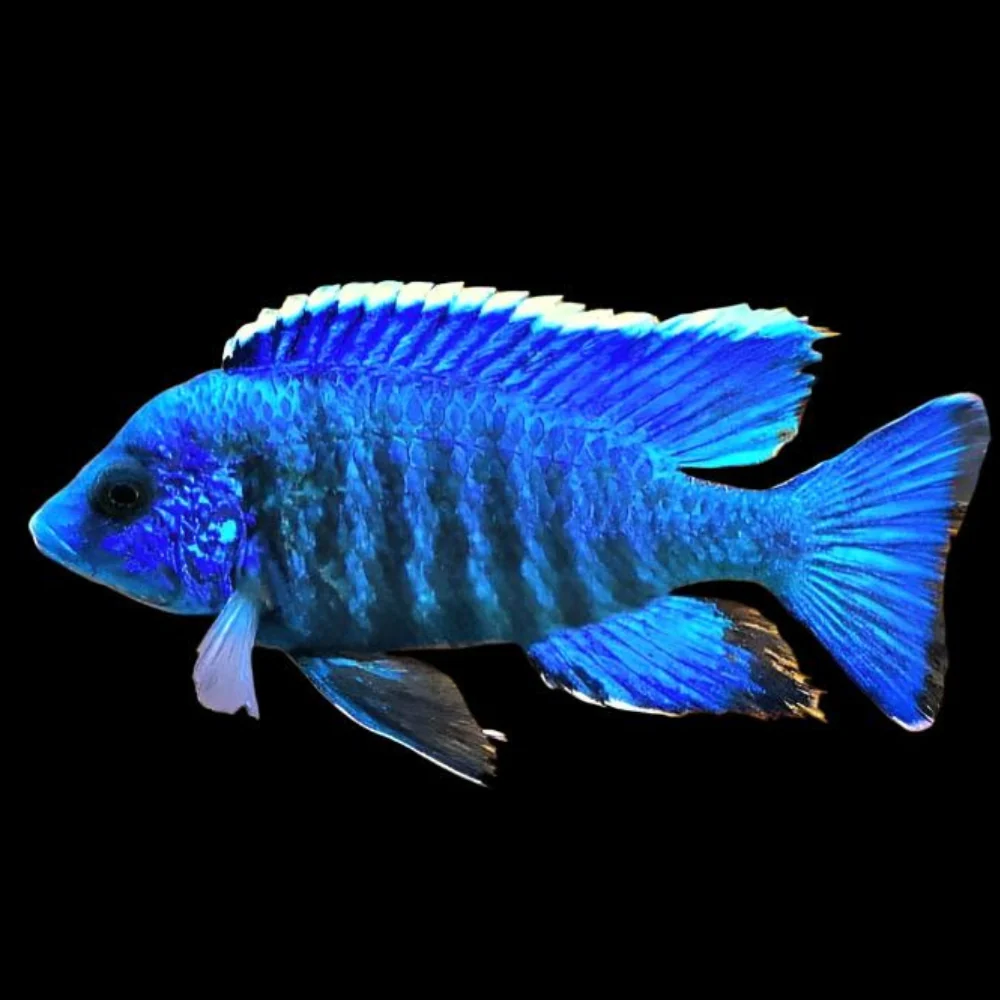
Peacock cichlid
Aulonocara nyassae
Wild range: Lake Malawi (Africa)
At a glance: Peacock cichlid care
Compiled reference information. Review the care notes and original sources below.
What temperature is listed for Peacock cichlid?
The compiled profile lists 22.2–28.0 °C for Peacock cichlid (Aulonocara nyassae). Check the original sources below for context and differing recommendations.
What tank size is listed for Peacock cichlid?
The profile lists a minimum tank volume of 52.8 US gallons (200.0 liters). Volume alone does not establish suitability; consider dimensions, group size and other inhabitants alongside the full care notes.
What pH is listed for Peacock cichlid?
The compiled profile lists a pH of 7.0–8.6. Review the cited care sources alongside the other water parameters in this profile.
Natural habitat
Peacock Cichlids originate from the rocky substrates of Lake Malawi in Eastern Africa, preferring clean, alkaline waters with a pH of 7.8 to 8.6. The environment is characterized by rocky structures that provide hiding spots and territories, which are essential for their social behavior.
Where they are found
This species is primarily found along the eastern shore of Lake Malawi, often alongside similar species of cichlids, which can lead to hybridization in captive conditions.
Aquarium care
To keep Blue Peacock Cichlids healthy, maintain stable water conditions with a temperature range of 22-28°C and a pH level between 7.8 and 8.6. Plenty of hiding spaces with rocks and caves should be provided, and adequate filtration will help maintain water quality. Regular water changes are recommended to keep conditions optimal.
Feeding
Feed your Peacock Cichlids a varied diet that includes high-quality pellets, flakes, and occasional live or frozen foods such as brine shrimp and bloodworms. They enjoy vegetable matter as well, such as blanched spinach or spirulina-based foods. Feed twice daily in small portions to avoid waste.
Compatibility
The Blue Peacock Cichlid is generally peaceful and can be kept with similarly sized and tempered species. It's best to avoid overly aggressive cichlids to minimize stress and potential conflicts.
Breeding
Breeding this species can be rewarding yet challenging. Males develop bright colors to attract females. They are mouth-brooders, so it's essential to provide a quiet, stress-free environment during this time.
Sources
Compiled from multiple independent care sheets — not copied from a single site.