Catalog / plants / Creeping ludwigia
plant · Onagraceae
Creeping ludwigia
Ludwigia palustris
Wild range: New England (North America)
At a glance: Creeping ludwigia care
Compiled reference information. Review the care notes and original sources below.
What temperature is listed for Creeping ludwigia?
The compiled profile lists 15.0–28.0 °C for Creeping ludwigia (Ludwigia palustris). Check the original sources below for context and differing recommendations.
What tank size is listed for Creeping ludwigia?
The profile lists a minimum tank volume of 7.9 US gallons (30.0 liters). Volume alone does not establish suitability; consider dimensions, group size and other inhabitants alongside the full care notes.
What pH is listed for Creeping ludwigia?
The compiled profile lists a pH of 5.7–8.0. Review the cited care sources alongside the other water parameters in this profile.
Natural habitat
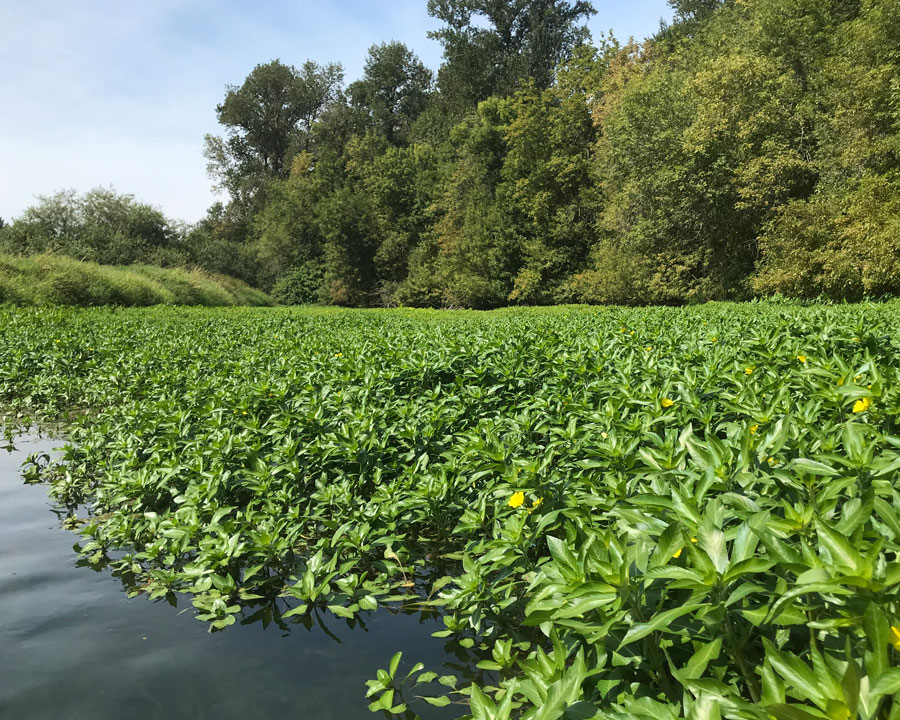
The common water-primrose thrives in a variety of aquatic environments including riverbanks, floodplain habitats, and wetlands. It frequently roots in shallow waters and enjoys bright sunlight, which enhances its vibrant foliage.
Where they are found
Native to several continents, including North America and South America, Ludwigia plants have adapted to a variety of habitats. While commonly utilized in aquariums and water gardens, some species can become invasive, outcompeting native flora in certain regions.
Aquarium care
This plant is relatively easy to care for, requiring a minimum tank size of 56 liters (15 gallons) and medium lighting for optimal growth. Regular trimming is necessary to prevent overgrowth and maintain the desired shape.
Feeding
Feed this plant with aquatic fertilizers to promote healthy growth, especially in nutrient-deficient waters.
Compatibility
This species is generally safe for community tanks, providing shelter for small fish while being compatible with a variety of peaceful species.
Breeding
Easily propagated through stem cuttings or by sowing seeds from matured capsules. The plants may flower multiple times in favorable conditions, producing a large number of seeds which can further increase populations if left unchecked.
Sources
Compiled from multiple independent care sheets — not copied from a single site.