Catalog / fish / Metallic livebearer
fish
Metallic livebearer
Girardinus metallicus
Wild range: Cuba (North America)
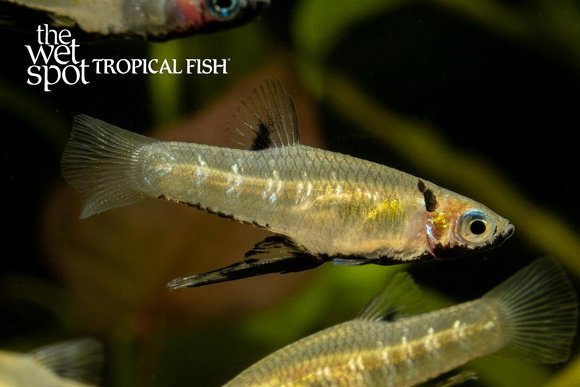
At a glance: Metallic livebearer care
Compiled reference information. Review the care notes and original sources below.
What temperature is listed for Metallic livebearer?
The compiled profile lists 21.1–27.0 °C for Metallic livebearer (Girardinus metallicus). Check the original sources below for context and differing recommendations.
What tank size is listed for Metallic livebearer?
The profile lists a minimum tank volume of 5.0 US gallons (19.0 liters). Volume alone does not establish suitability; consider dimensions, group size and other inhabitants alongside the full care notes.
What pH is listed for Metallic livebearer?
The compiled profile lists a pH of 7.0–8.0. Review the cited care sources alongside the other water parameters in this profile.
Natural habitat
Girardinus metallicus is originally from Cuba, thriving in a variety of environments. It is known for its hardiness and adaptability, making it a popular choice in the aquarium hobby worldwide.
Where they are found
The Metallic Livebearer is native to the freshwater bodies of Cuba and Costa Rica. It can be observed in both calm and flowing waters, enjoying the presence of vegetation and shelter.
Aquarium care
The Black Chin livebearer requires a well-maintained aquarium with gentle water movement and the presence of plants, which provide cover for the fry. Regular water changes are necessary to keep the environment stable.
Feeding
In the aquarium, Giardinus metallicus readily accepts flake food. It's beneficial to include high-quality veggie flakes in their diet, ensuring they receive a balanced nutritional intake.
Compatibility
This species is typically peaceful and works well in community tanks. However, care should be taken with aggressive fish that may stress them. A school of five or more fish is ideal for social behavior.
Breeding
Breeding is straightforward; it's best to separate females to give birth in a planted tank. After birthing, remove the female to prevent predation on the young. Fry should be raised on suitable small foods until they reach an appropriate size for community tanks.
Sources
Compiled from multiple independent care sheets — not copied from a single site.