Catalog / fish / Rubberlip pleco
fish · (Family not provided)
Rubberlip pleco
Chaetostoma formosae
Wild range: (Native region not provided) ((Native continent not provided))
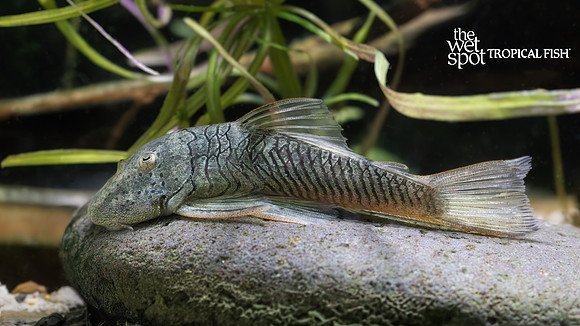
At a glance: Rubberlip pleco care
Compiled reference information. Review the care notes and original sources below.
What temperature is listed for Rubberlip pleco?
The compiled profile lists 21.1–26.1 °C for Rubberlip pleco (Chaetostoma formosae). Check the original sources below for context and differing recommendations.
What tank size is listed for Rubberlip pleco?
The profile lists a minimum tank volume of 30.0 US gallons (113.6 liters). Volume alone does not establish suitability; consider dimensions, group size and other inhabitants alongside the full care notes.
What pH is listed for Rubberlip pleco?
The compiled profile lists a pH of 6.5–8.0. Review the cited care sources alongside the other water parameters in this profile.
Natural habitat
(Habitat summary not provided)
Where they are found
The natural range includes freshwater ecosystems characterized by flowing water, which is essential for the species’ well-being and behavioral patterns.
Aquarium care
For optimal care, the Rubber Lip Pleco requires a sufficient tank size of at least 30 gallons. It benefits from hiding spots and driftwood in the aquarium which mimic its natural habitat. Regular water changes and maintaining good water quality is essential to ensure health and longevity.
Feeding
(Feeding notes not provided)
Compatibility
The Rubber Lip Pleco is generally community safe and can coexist with a variety of fish as long as there are ample hiding spaces to reduce territorial behavior, particularly during feeding. Avoid keeping with overly aggressive species.
Breeding
Breeding Rubberlip Plecos in an aquarium requires specific conditions, including a separate breeding tank and suitable caves for females to lay eggs. Temperature and water quality must be closely monitored to encourage breeding behavior.
Sources
Compiled from multiple independent care sheets — not copied from a single site.