Catalog / fish / Scissortail rasbora
fish · Cyprinidae
Scissortail rasbora
Rasbora trilineata
Wild range: Southeast Asia (Asia)
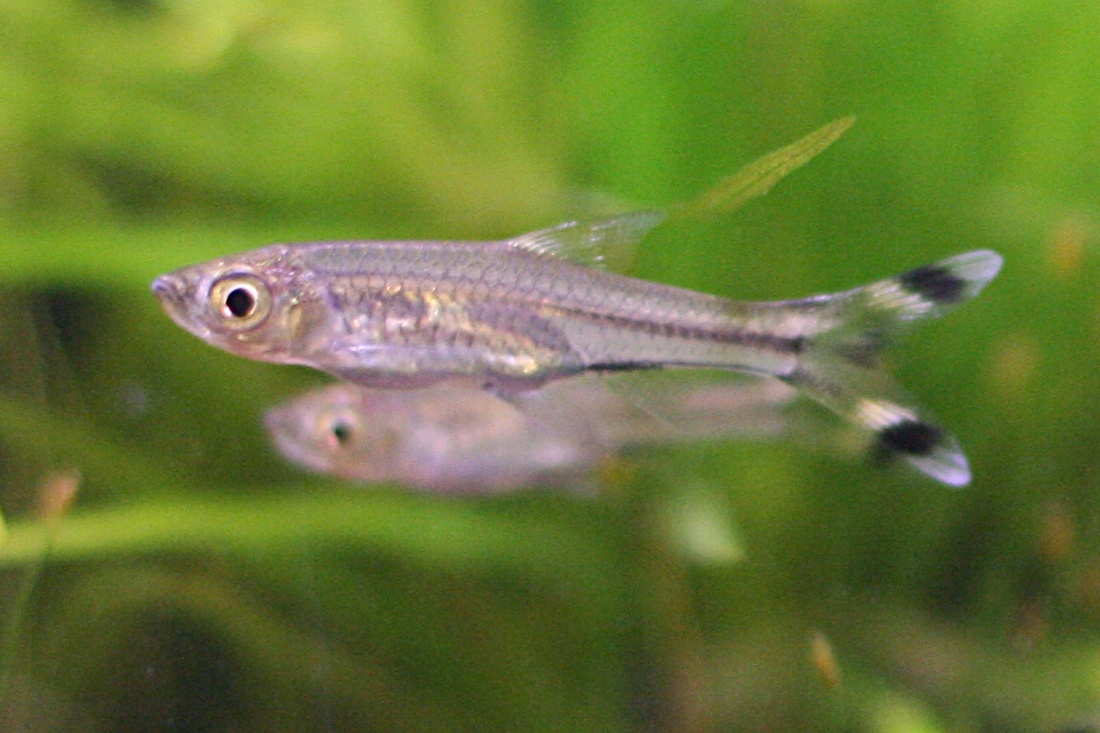
At a glance: Scissortail rasbora care
Compiled reference information. Review the care notes and original sources below.
What temperature is listed for Scissortail rasbora?
The compiled profile lists 23.3–27.8 °C for Scissortail rasbora (Rasbora trilineata). Check the original sources below for context and differing recommendations.
What tank size is listed for Scissortail rasbora?
The profile lists a minimum tank volume of 10.0 US gallons (38.0 liters). Volume alone does not establish suitability; consider dimensions, group size and other inhabitants alongside the full care notes.
What pH is listed for Scissortail rasbora?
The compiled profile lists a pH of 6.0–8.0. Review the cited care sources alongside the other water parameters in this profile.
Natural habitat
The Scissortail Rasbora is primarily found in tropical rivers and streams throughout Southeast Asia, favoring areas with dense vegetation and clear waters. These environments provide ample cover while allowing free swimming space. The species thrives in well-planted tanks, simulating their natural habitat effectively.
Where they are found
Wild specimens are rarely encountered as all Scissortail Rasbora available in the aquarium trade have been commercially bred. They are often found in larger schools in their natural environment, which enhances their social behavior.
Aquarium care
To ensure the well-being of Scissortail Rasboras in an aquarium, maintain a minimum tank size of 45 gallons, with gentle water flow and stable water parameters. These fish prefer a well-planted setup with plenty of swimming space, open areas paired with dense vegetation. Frequent water changes and a balanced diet of high-quality flakes, pellets, and occasional meaty treats will promote their health.
Feeding
A varied diet is essential for the health of Scissortail Rasbora. They can be fed high-quality flake foods, sinking micro pellets, and occasional treats such as frozen brine shrimp and daphnia. This diverse diet helps maintain their coloration and vitality.
Compatibility
Scissortail Rasbora are extremely peaceful and can coexist with various community fish. Their active nature and schooling behavior make them ideal companions for less aggressive species, contributing positively to the dynamics of a community tank.
Breeding
Breeding Scissortail Rasboras requires a separate breeding tank with fine-leaved plants or spawning mops where females can deposit eggs. After spawning, adult fish should be removed to prevent them from eating the eggs. Careful monitoring of the water parameters and keeping the breeding tank clean will help ensure successful hatching and growth of fry.
Sources
Compiled from multiple independent care sheets — not copied from a single site.