Catalog / invertebrates / Mystery snail
invertebrate · Ampullariidae
Mystery snail
Pomacea diffusa
Wild range: Amazon Basin (South America)
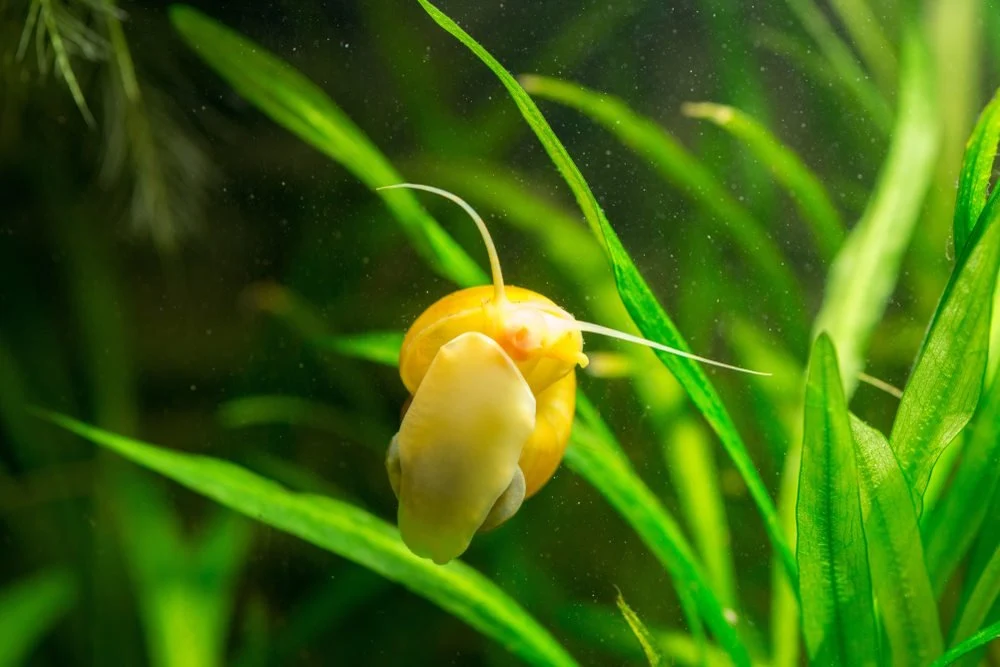
At a glance: Mystery snail care
Compiled reference information. Review the care notes and original sources below.
What temperature is listed for Mystery snail?
The compiled profile lists 20.0–28.9 °C for Mystery snail (Pomacea diffusa). Check the original sources below for context and differing recommendations.
What tank size is listed for Mystery snail?
The profile lists a minimum tank volume of 2.6 US gallons (10.0 liters). Volume alone does not establish suitability; consider dimensions, group size and other inhabitants alongside the full care notes.
What pH is listed for Mystery snail?
The compiled profile lists a pH of 6.5–8.4. Review the cited care sources alongside the other water parameters in this profile.
Natural habitat
Mystery Snails thrive in a variety of freshwater environments, particularly in slow-moving waters where they can graze on algae and detritus.
Where they are found
Native to the Amazon River Basin, Mystery snails are resilient and adaptable to varying water conditions, which allows them to survive changes in their habitat, such as seasonal water level fluctuations.
Aquarium care
Mystery snails require minimal special care. It is best to house them in tanks equipped with live plants, maintaining stable water conditions to support their health. Regular monitoring of water quality is essential due to their sensitivity to sudden changes.
Feeding
They primarily consume algae and soft vegetables, making algae wafers, blanched spinach, or cucumbers good dietary choices.
Compatibility
Mystery snails are compatible with a variety of peaceful fish and invertebrates, but larger predatory species should be avoided. They can coexist well with tank mates like guppies and swordtails, provided there is enough space and food.
Breeding
Mystery snails reproduce sexually and lay egg clutches above water. The eggs require high humidity to hatch successfully without being submerged. Monitor the clutches and maintain proper conditions for optimal hatching.
Sources
Compiled from multiple independent care sheets — not copied from a single site.