Catalog / fish / Gladiator betta
fish · Osphronemidae
Gladiator betta
Betta gladiator
Wild range: Southeast Asia (Asia)
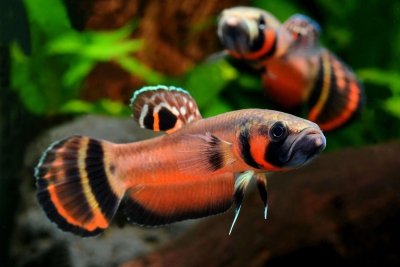
At a glance: Gladiator betta care
Compiled reference information. Review the care notes and original sources below.
What temperature is listed for Gladiator betta?
The compiled profile lists 22.0–27.0 °C for Gladiator betta (Betta gladiator). Check the original sources below for context and differing recommendations.
What tank size is listed for Gladiator betta?
The profile lists a minimum tank volume of 5.0 US gallons (19.0 liters). Volume alone does not establish suitability; consider dimensions, group size and other inhabitants alongside the full care notes.
What pH is listed for Gladiator betta?
The compiled profile lists a pH of 4.0–7.5. Review the cited care sources alongside the other water parameters in this profile.
Natural habitat
Betta gladiator is endemic to the Maliau Basin in Sabah, Malaysian Borneo, where it inhabits blackwater heath-forest streams. These streams are characterized by very soft water with a low pH, heavily stained with humic acids. The fish thrives in conditions that are often extreme for many freshwater species, as it prefers areas with dense vegetation where it can ambush prey and find shelter.
Where they are found
This species is endemic to the Maliau Basin and is found in very specific tropical freshwater habitats that are rich in organic materials.
Aquarium care
For optimal Betta care, it's essential to maintain a stable water temperature between 24°C to 27°C, use a gentle filter to avoid strong currents, and perform regular water changes of about 25% weekly to maintain water quality. Include live or silk plants to provide hiding spots and enrich the environment.
Feeding
This species is carnivorous, feeding primarily on small invertebrates in the wild, such as aquatic insects and crustaceans. In captivity, they thrive on live and frozen foods, including bloodworms and Daphnia. Fry should be introduced to foods such as microworms and Artemia nauplii shortly after they become free-swimming.
Compatibility
Bettas are territorial and generally aggressive, particularly males. They should not be housed together, as male Bettas will fight. Female Bettas can be kept in groups if the tank is large enough, but care should be taken to minimize stress during introductions.
Breeding
Breeding includes paternal mouthbrooding, where the male protects fertilized eggs in its mouth until they hatch. Breeding practices should mimic natural conditions as closely as possible.
Sources
Compiled from multiple independent care sheets — not copied from a single site.