fish · Osphronemidae
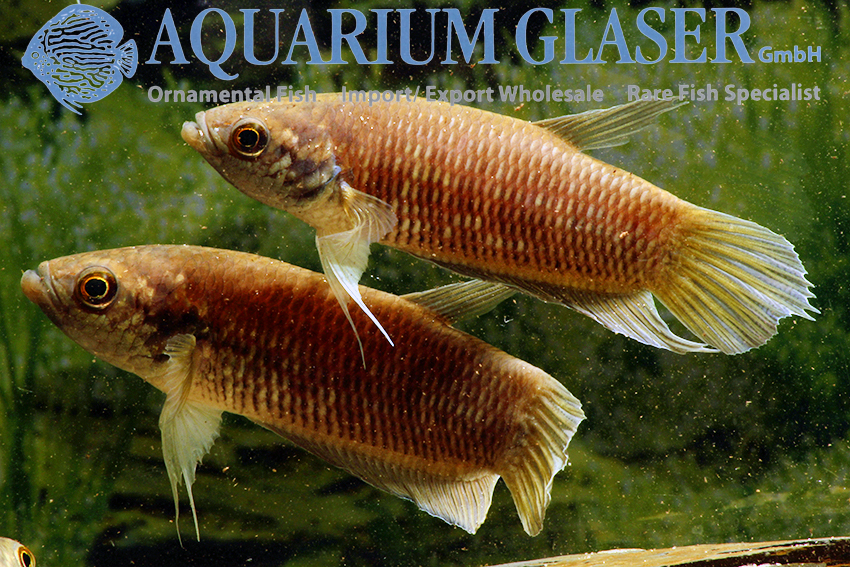
Betta pi
Betta pi
Wild range: Southeast Asia (Asia)
At a glance: Betta pi care
Compiled reference information. Review the care notes and original sources below.
What temperature is listed for Betta pi?
The compiled profile lists 21.0–30.0 °C for Betta pi (Betta pi). Check the original sources below for context and differing recommendations.
What tank size is listed for Betta pi?
The profile lists a minimum tank volume of 2.0 US gallons (7.6 liters). Volume alone does not establish suitability; consider dimensions, group size and other inhabitants alongside the full care notes.
What pH is listed for Betta pi?
The compiled profile lists a pH of 5.5–8.0. Review the cited care sources alongside the other water parameters in this profile.
Natural habitat
Betta pi is native to slow-moving rivers and swamps in Southeast Asia, primarily in Indonesia. The species thrives in waters rich in organic materials, often found in shaded areas filled with vegetation. These habitats provide ample cover and breeding grounds for this species.
Where they are found
These fish inhabit blackwater ecosystems that are rich in organic materials, which provides a unique environment that supports their breeding and growth.
Aquarium care
Ensure an aquarium of at least 7.6 liters with stable temperatures between 24°C and 30°C and a pH level of 6.0 to 8.0. Water changes should be conducted regularly, and a heater is essential for maintaining the tropical conditions. Bettas prefer low flow and can thrive with some light filtering for better water quality. Hiding spots with smooth edges should be provided to help them feel secure.
Feeding
Betta pi is an omnivore that thrives on a varied diet, including high-quality pellets, frozen or live foods such as brine shrimp, and mosquito larvae. Regular feeding encourages healthy growth and vibrant colors in this species.
Compatibility
Bettas are generally not community-safe due to their aggressive nature towards other males and aggressive or colorful fish that are similar in shape. They can be kept with peaceful bottom dwellers and small invertebrates to avoid confrontations. It's vital to monitor tank mates closely to ensure compatibility.
Breeding
Breeding this species requires a separate breeding tank with calm waters and plenty of hiding spots. Males are known for their mouthbrooding behavior, where they carry and protect the young in their mouths until they are capable of independent swimming.
Sources
Compiled from multiple independent care sheets — not copied from a single site.