Catalog / plants / Lemon bacopa
plant · Plantaginaceae
Lemon bacopa
Bacopa caroliniana
Wild range: Southeastern United States (North America)
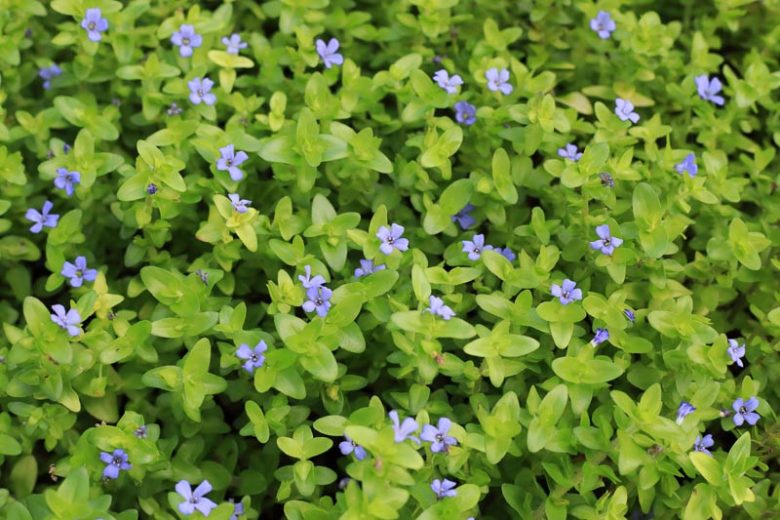
At a glance: Lemon bacopa care
Compiled reference information. Review the care notes and original sources below.
What temperature is listed for Lemon bacopa?
The compiled profile lists 15.0–28.0 °C for Lemon bacopa (Bacopa caroliniana). Check the original sources below for context and differing recommendations.
What tank size is listed for Lemon bacopa?
The profile lists a minimum tank volume of 8.0 US gallons (30.0 liters). Volume alone does not establish suitability; consider dimensions, group size and other inhabitants alongside the full care notes.
What pH is listed for Lemon bacopa?
The compiled profile lists a pH of 6.0–8.0. Review the cited care sources alongside the other water parameters in this profile.
Natural habitat
Lemon bacopa thrives in moist to aquatic habitats, including the margins of ponds, swamps, and shallow ditches. The plant prefers slightly acidic, wet soils and is adaptable to full sun or minimal shade.
Where they are found
This species is primarily found in the wetland regions of the Southeastern United States, where it naturally grows in shallow waters and along the edges of ponds.
Aquarium care
In aquarium settings, provide a nutrient-rich substrate and ensure moderate lighting for optimal growth. Regular trimming of stems promotes bushier growth and patient cultivation can yield beautiful foliage.
Feeding
As an omnivore, it benefits from a balanced diet including algae, plant matter, and occasional fish food supplements to promote healthy growth and flowering.
Compatibility
Lemon Bacopa is suitable for community tanks and can be kept with other peaceful species, enhancing the aquatic landscape with its attractive foliage and flowers.
Breeding
This plant primarily reproduces through vegetative propagation, allowing it to spread effectively in aquatic environments. Cuttings can be taken and replanted to increase your stock.
Sources
Compiled from multiple independent care sheets — not copied from a single site.