Catalog / invertebrates / Ghost shrimp
invertebrate
Ghost shrimp
Palaemonetes paludosus
Wild range: Southern United States (North America)
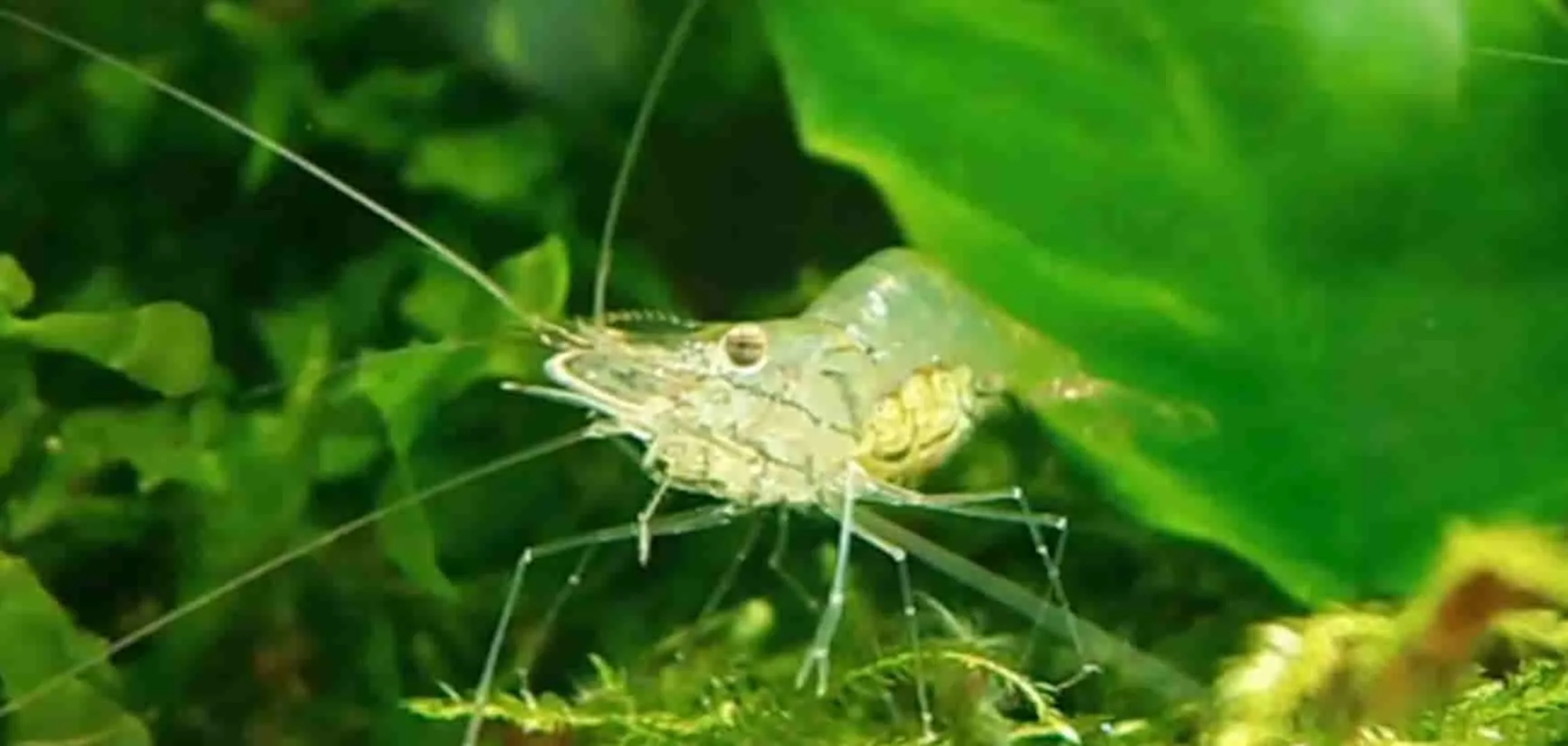
At a glance: Ghost shrimp care
Compiled reference information. Review the care notes and original sources below.
What temperature is listed for Ghost shrimp?
The compiled profile lists 18.0–29.0 °C for Ghost shrimp (Palaemonetes paludosus). Check the original sources below for context and differing recommendations.
What tank size is listed for Ghost shrimp?
The profile lists a minimum tank volume of 5.0 US gallons (19.0 liters). Volume alone does not establish suitability; consider dimensions, group size and other inhabitants alongside the full care notes.
What pH is listed for Ghost shrimp?
The compiled profile lists a pH of 6.5–8.0. Review the cited care sources alongside the other water parameters in this profile.
Natural habitat
Ghost shrimp are often found in freshwater streams and rivers in the Southern United States. They thrive in areas with plenty of hiding spots, like rocks and vegetation, which mimic their natural habitat.
Where they are found
Their natural habitat consists of both slow-moving and still waters where they can find shelter amongst plants and soft substrates.
Aquarium care
Keeping Ghost Shrimp is straightforward, as they are resilient and can adapt to a range of water conditions. A minimum tank size of 19 liters (5 gallons) is ideal, with gentle filtration using sponge filters to prevent fry from being trapped. Regular water changes and maintaining stable water parameters is crucial, as these shrimp are sensitive to copper and other harmful substances.
Feeding
Ghost shrimp are scavengers and will consume leftover food and algae in the aquarium. It's recommended to supplement their diet with sinking pellets and algae wafers for optimal health.
Compatibility
Ghost Shrimp are generally peaceful and can coexist with other small, non-predatory fish. It's best to avoid larger fish that may see them as food. Keeping them with fellow shrimp or small, gentle fish like Neon Tetras or Corydoras is ideal for successful community tank setups.
Breeding
Breeding Amano shrimp in captivity can be difficult as they require brackish water for larval development. Understanding their specific needs is crucial for successful breeding.
Sources
Compiled from multiple independent care sheets — not copied from a single site.