Catalog / fish / Emerald betta
fish · Osphronemidae
Emerald betta
Betta smaragdina
Wild range: Southeast Asia (Asia)
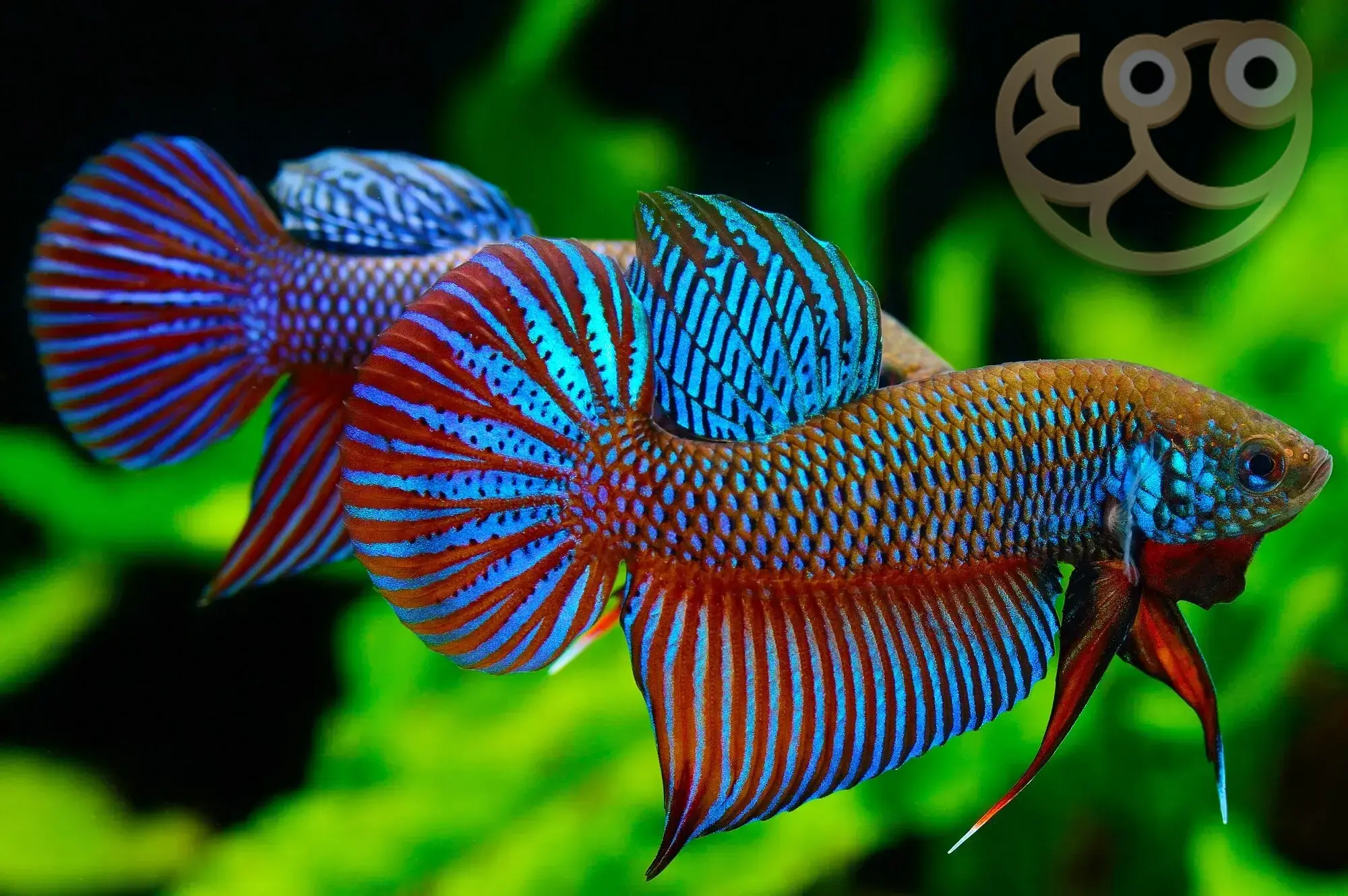
At a glance: Emerald betta care
Compiled reference information. Review the care notes and original sources below.
What temperature is listed for Emerald betta?
The compiled profile lists 22.0–30.0 °C for Emerald betta (Betta smaragdina). Check the original sources below for context and differing recommendations.
What tank size is listed for Emerald betta?
The profile lists a minimum tank volume of 7.9 US gallons (30.0 liters). Volume alone does not establish suitability; consider dimensions, group size and other inhabitants alongside the full care notes.
What pH is listed for Emerald betta?
The compiled profile lists a pH of 5.5–7.6. Review the cited care sources alongside the other water parameters in this profile.
Natural habitat
Emerald Bettas are found in the tranquil waters of Laos and Thailand, particularly in rice paddies, ditches, swamps, and streams. These habitats are rich in submerged vegetation and may have low dissolved oxygen levels, offering a complex ecosystem that supports their natural behavior and breeding activities.
Where they are found
This species is primarily distributed in Malaysia and parts of Thailand and Indonesia, where they thrive in warm, slightly acidic waters. They prefer areas with dense vegetation and plenty of cover, which mimics their natural habitat in captivity.
Aquarium care
In an aquarium, Betta splendens requires a minimum tank size of 15 gallons with moderate filtration and appropriate temperature conditions between 24°C to 30°C. They thrive in water with a pH between 6.0 and 7.5 and need a variety of hiding spots made from plants and decorations that mimic their natural habitat.
Feeding
Feed your Emerald Betta a diet of high-quality flakes, granules, and pellets, with occasional supplements of live or frozen foods like bloodworm and daphnia to promote vibrant coloration and health.
Compatibility
Betta splendens is known for its territorial nature, especially among males. They should not be kept with other males or fish that display similar fin structure, but they can coexist with certain peaceful species in larger tanks with ample hiding spots.
Breeding
Breeding Betta smaragdina is relatively straightforward. It involves placing the female in the tank with the male and ensuring there are proper nesting materials available. Water conditions should be consistent, and after spawning, it is advisable to remove the female once the eggs are visible. The fry should be fed appropriate food once they are free swimming.
Sources
Compiled from multiple independent care sheets — not copied from a single site.