fish · Badidae
Blue badis
Badis badis
Wild range: South Asia (Asia)
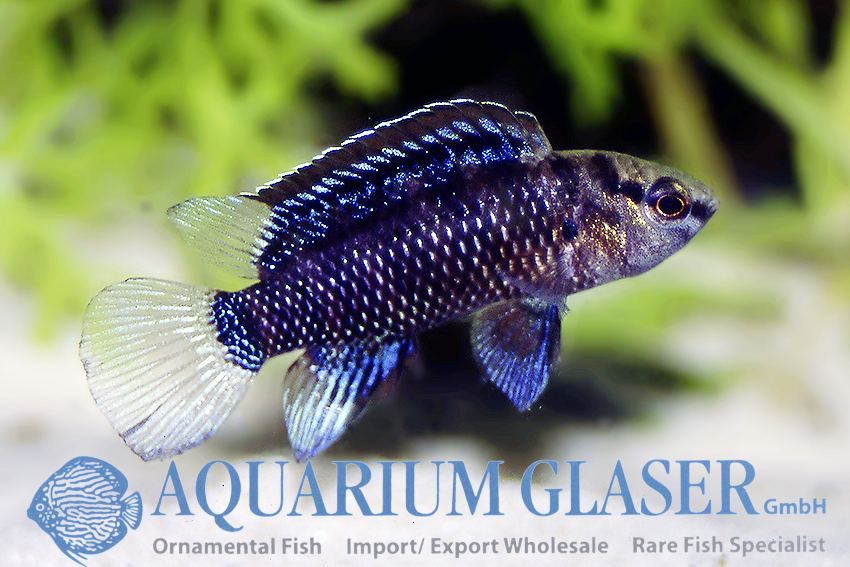
At a glance: Blue badis care
Compiled reference information. Review the care notes and original sources below.
What temperature is listed for Blue badis?
The compiled profile lists 10.0–25.0 °C for Blue badis (Badis badis). Check the original sources below for context and differing recommendations.
What tank size is listed for Blue badis?
The profile lists a minimum tank volume of 20.0 US gallons (75.7 liters). Volume alone does not establish suitability; consider dimensions, group size and other inhabitants alongside the full care notes.
What pH is listed for Blue badis?
The compiled profile lists a pH of 6.0–7.5. Review the cited care sources alongside the other water parameters in this profile.
Natural habitat
The Scarlet Badis originates from the Ganges river basin where temperatures average between 10 to 15 °C. Their habitat typically features slow-moving waters with rich plant life, providing cover and natural food sources.
Where they are found
In their natural habitat, Blue Badis exhibit a variety of colors which can change based on their environment and breeding condition. They primarily feed on small invertebrates.
Aquarium care
Scarlet Badis require a well-planted aquarium with plenty of hiding spots. Pebble or soft sand substrate is recommended to mimic their natural habitat. They thrive in stable water conditions and prefer a quiet environment.
Feeding
Blue Badis prefer a diet of live and frozen foods, such as Daphnia, glassworms, and enriched Artemia. It's important to avoid dry flake foods as they may not accept them.
Compatibility
Blue Badis are generally peaceful and can be kept with a variety of community fish. However, caution should be taken with very small fish and certain types of shrimp.
Breeding
Breeding Scarlet Badis is generally straightforward; they prefer to spawn in caves. Males tend to guard the territory and the eggs once fertilized, making cave structures vital for successful breeding.
Sources
Compiled from multiple independent care sheets — not copied from a single site.