Catalog / fish / Cinnamon rasbora
fish · Cyprinidae
Cinnamon rasbora
Trigonopoma pauciperforatum
Wild range: Southeast Asia (Asia)
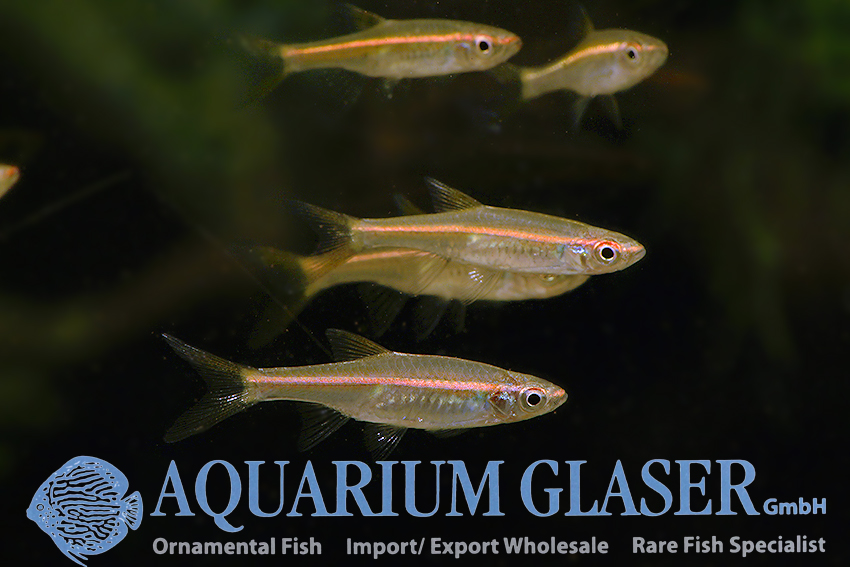
At a glance: Cinnamon rasbora care
Compiled reference information. Review the care notes and original sources below.
What temperature is listed for Cinnamon rasbora?
The compiled profile lists 20.0–28.9 °C for Cinnamon rasbora (Trigonopoma pauciperforatum). Check the original sources below for context and differing recommendations.
What tank size is listed for Cinnamon rasbora?
The profile lists a minimum tank volume of 10.0 US gallons (38.0 liters). Volume alone does not establish suitability; consider dimensions, group size and other inhabitants alongside the full care notes.
What pH is listed for Cinnamon rasbora?
The compiled profile lists a pH of 5.0–7.5. Review the cited care sources alongside the other water parameters in this profile.
Natural habitat
The Red Line Rasbora is naturally found in the serene and well-vegetated waters of Malaysia, Singapore, and Indonesia. They thrive in slow-moving rivers and streams, which often feature a sandy or pebbly substrate and dense plant life.
Where they are found
This species is endemic to Southeast Asia, specifically found in peninsular Malaysia, Borneo, and Sumatra. Their distribution is closely tied to water bodies with the right parameters for their health and coloration.
Aquarium care
Harlequin Rasboras adapt well to a range of water conditions but thrive best in a well-planted aquarium with soft, slightly acidic water. It's recommended to use a gentle filter and ensure the tank has ample hiding spots, particularly if keeping them in smaller groups.
Feeding
Red Line Rasboras are omnivorous and should be offered a varied diet consisting of high-quality flake foods, frozen or live foods such as brine shrimp and daphnia. They benefit from the inclusion of greens or vegetables in their diet occasionally for optimal health.
Compatibility
Harlequin Rasboras are very peaceful and can be kept alongside many other species, such as tetras and peaceful community fish. They do best in schools of six or more for proper social behavior, providing a brighter, more dynamic tank environment.
Breeding
Breeding in captivity can be achieved in a dedicated breeding tank with soft, slightly acidic water. They lay eggs on plants and require good food sources for the fry.
Sources
Compiled from multiple independent care sheets — not copied from a single site.