Catalog / fish / Betta kuehnei
fish · Ospbronemidae
Betta kuehnei
Betta kuehnei
Wild range: Southeast Asia (Asia)
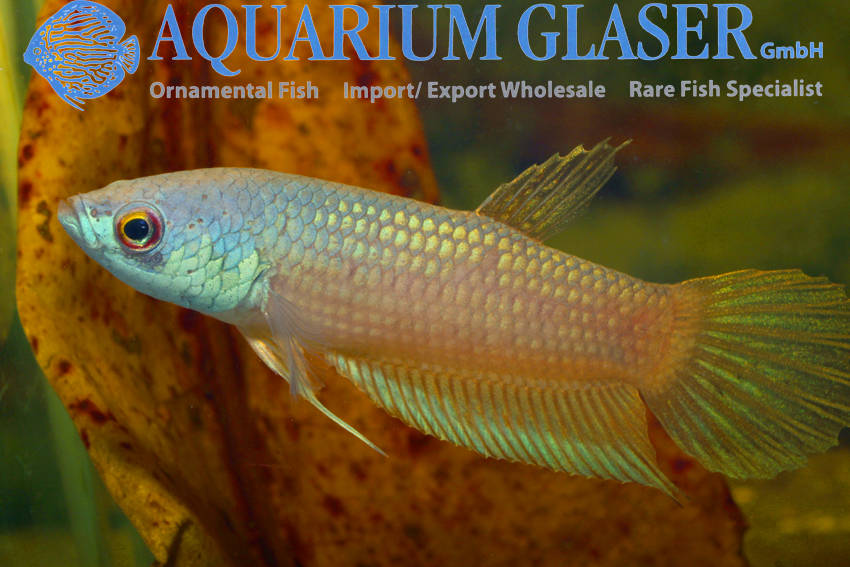
At a glance: Betta kuehnei care
Compiled reference information. Review the care notes and original sources below.
What temperature is listed for Betta kuehnei?
The compiled profile lists 22.0–30.0 °C for Betta kuehnei (Betta kuehnei). Check the original sources below for context and differing recommendations.
What tank size is listed for Betta kuehnei?
The profile lists a minimum tank volume of 5.3 US gallons (20.0 liters). Volume alone does not establish suitability; consider dimensions, group size and other inhabitants alongside the full care notes.
What pH is listed for Betta kuehnei?
The compiled profile lists a pH of 6.0–8.0. Review the cited care sources alongside the other water parameters in this profile.
Natural habitat
Betta kuehnei is found in forest streams in Malaysia and southern Thailand. These streams are typically shallow and shaded, with clear, colorless water that has a pH of approximately 7 and a low total hardness of around 3 °dGH. The fish are often located among vegetation and leaf litter, indicating a preference for environments that offer shelter and cover.
Where they are found
This species was first identified in the northernmost Province Kelantan of Malaysia and in southern Thailand. Its natural habitat consists of densely vegetated areas near the riverbanks where it finds shelter and food.
Aquarium care
In an aquarium setting, Betta kuehnei requires a well-planted tank with gentle filtration to mimic its natural habitat. Regular water changes and stable water conditions are crucial for their health. These fish prefer a moderate light setup with areas for hiding and retreating from brighter spots. They thrive in a temperature range of 22 to 30 °C with a pH between 6.0 and 8.0.
Feeding
Betta kuehnei is an omnivorous species and thrives on a varied diet. Providing a mix of high-quality flake food, pellets, and occasional live or frozen foods like brine shrimp or daphnia will ensure optimal health and coloration.
Compatibility
This species is generally peaceful and can be kept in community tanks with care. However, males may become territorial when spawning, so providing ample hiding spaces is crucial. Avoid overly aggressive tankmates to ensure a harmonious environment.
Breeding
This species exhibits mouthbrooding behavior, where males carry fertilized eggs (40-80 eggs) in their mouths for about 12 days until they hatch. The young fish are released when they reach approximately 7 mm in length. Care should be taken to provide suitable spawning sites, like caves or dense plant cover.
Sources
Compiled from multiple independent care sheets — not copied from a single site.