fish
Odessa barb
Pethia padamya
Wild range: Southeast Asia (Asia)
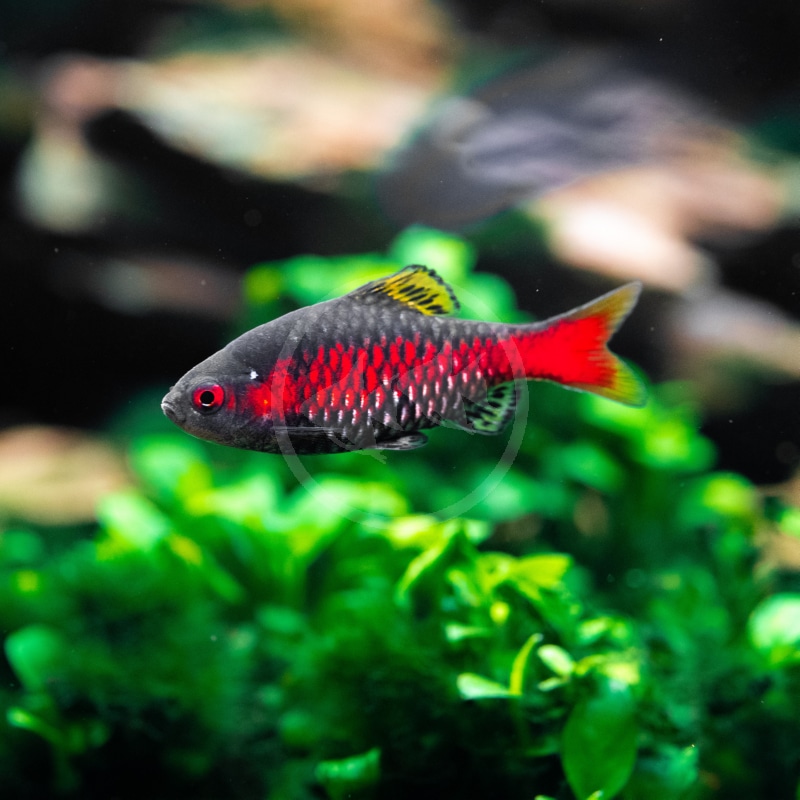
At a glance: Odessa barb care
Compiled reference information. Review the care notes and original sources below.
What temperature is listed for Odessa barb?
The compiled profile lists 15.0–26.0 °C for Odessa barb (Pethia padamya). Check the original sources below for context and differing recommendations.
What tank size is listed for Odessa barb?
The profile lists a minimum tank volume of 20.0 US gallons (75.0 liters). Volume alone does not establish suitability; consider dimensions, group size and other inhabitants alongside the full care notes.
What pH is listed for Odessa barb?
The compiled profile lists a pH of 6.0–8.0. Review the cited care sources alongside the other water parameters in this profile.
Natural habitat
The Odessa Barb is originally found in Myanmar, often inhabiting calm, pond-like environments with plenty of plant cover. This species thrives in well-structured habitats with both open water and places to hide.
Where they are found
This species is found in the remote areas of Myanmar, where it has been observed in tranquil, densely vegetated freshwater habitats.
Aquarium care
For successful husbandry, maintain a well-planted aquarium with hiding spots from plants and decorations. A minimum group size of six individuals is recommended to encourage natural schooling behavior. Regular water changes and monitoring of water parameters are critical for maintaining a healthy environment.
Feeding
An omnivorous diet is ideal for Odessa Barbs. Provide a mix of high-quality flake foods and occasional treats like live or frozen brine shrimp, daphnia, and bloodworms to enhance their color and vitality.
Compatibility
This species is generally peaceful and can coexist with other small, non-aggressive fish. It is suitable for community tanks, making them a great choice for beginners. However, care should be taken to avoid aggressive tankmates that may cause stress.
Breeding
Breeding occurs in a dedicated soft water setup with Java moss for egg deposition. The female scatters eggs, which hatch in 48-72 hours, requiring infusoria for feeding initially.
Sources
Compiled from multiple independent care sheets — not copied from a single site.