Catalog / plants / Anubias hastifolia
plant · Araceae
Anubias hastifolia
Anubias hastifolia
Wild range: West Africa (Africa)
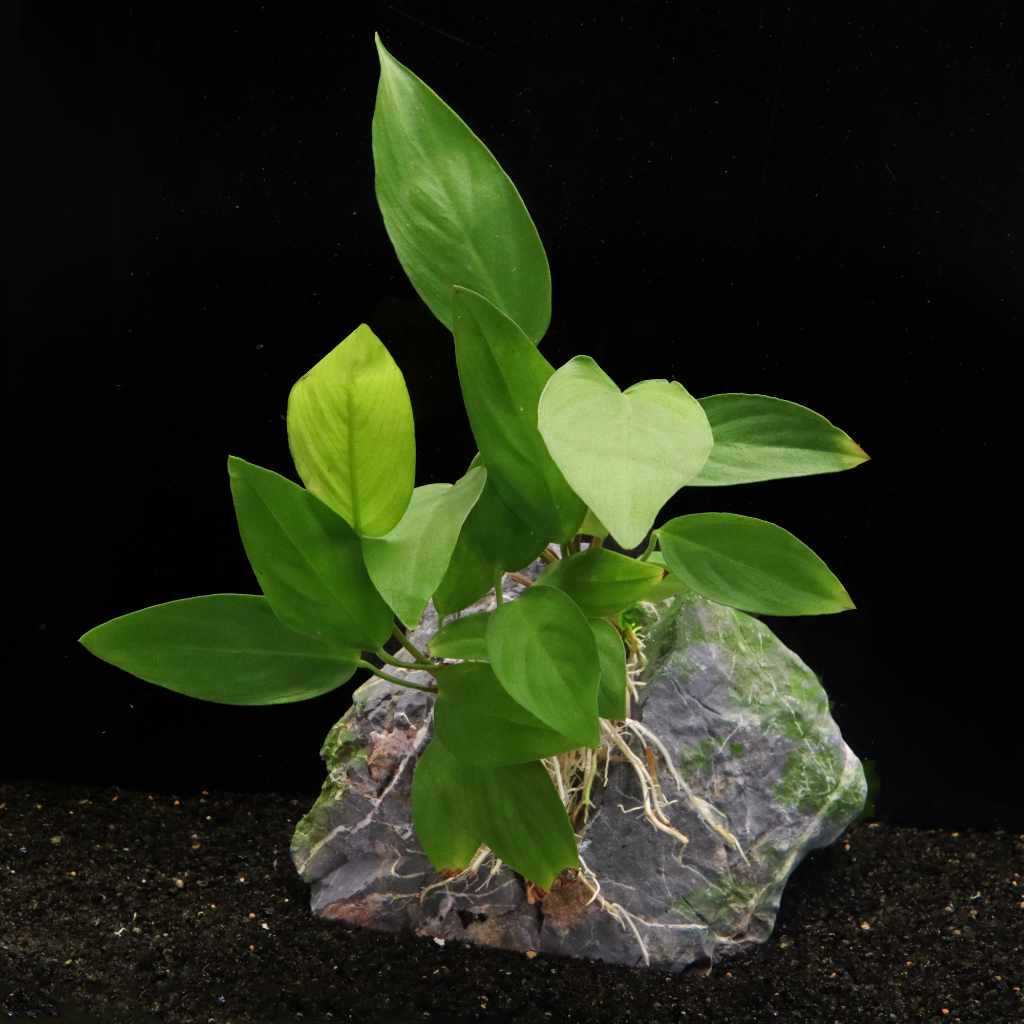
At a glance: Anubias hastifolia care
Compiled reference information. Review the care notes and original sources below.
What temperature is listed for Anubias hastifolia?
The compiled profile lists 20.0–29.4 °C for Anubias hastifolia (Anubias hastifolia). Check the original sources below for context and differing recommendations.
What tank size is listed for Anubias hastifolia?
The profile lists a minimum tank volume of 5.3 US gallons (20.0 liters). Volume alone does not establish suitability; consider dimensions, group size and other inhabitants alongside the full care notes.
What pH is listed for Anubias hastifolia?
The compiled profile lists a pH of 6.0–7.5. Review the cited care sources alongside the other water parameters in this profile.
Natural habitat
Anubias hastifolia thrives in the tropical waters of West Africa, often found submerged in rivers and streams where lighting is moderate to low. Its sturdy, leathery leaves can withstand the feeding habits of larger fish species, making it a resilient addition to various aquatic environments.
Where they are found
Primarily found in freshwater habitats such as rivers and swamps in West Africa, this plant prefers areas with moderate flow and low light conditions, which helps reduce algae growth on its leaves.
Aquarium care
This species is resilient and low-maintenance, making it suitable for beginner aquarists. It prefers low to moderate light conditions and does not require CO2 injection, though adding CO2 can enhance its growth and leaf density. Ensure the rhizome is not buried in the substrate to prevent rot, and attach it to hardscape elements using aquarium-safe glue or thread.
Feeding
As a hardy plant, Anubias hastifolia does not require feeding with fertilizers unless in nutrient-poor substrates, where supplemental dosing can help enhance its growth.
Compatibility
This plant is safe for fish, shrimp, and snails, making it an ideal addition to community tanks. Its tough leaves deter many plant-eating species and therefore coexist well with a variety of aquatic life.
Breeding
Propagation occurs through rhizome division. When dividing, ensure each section has several leaves and roots to thrive in its new location.
Sources
Compiled from multiple independent care sheets — not copied from a single site.