Catalog / fish / Ornate ctenopoma
fish · Anabantidae
Ornate ctenopoma
Microctenopoma ansorgii
Wild range: Central Africa (Africa)
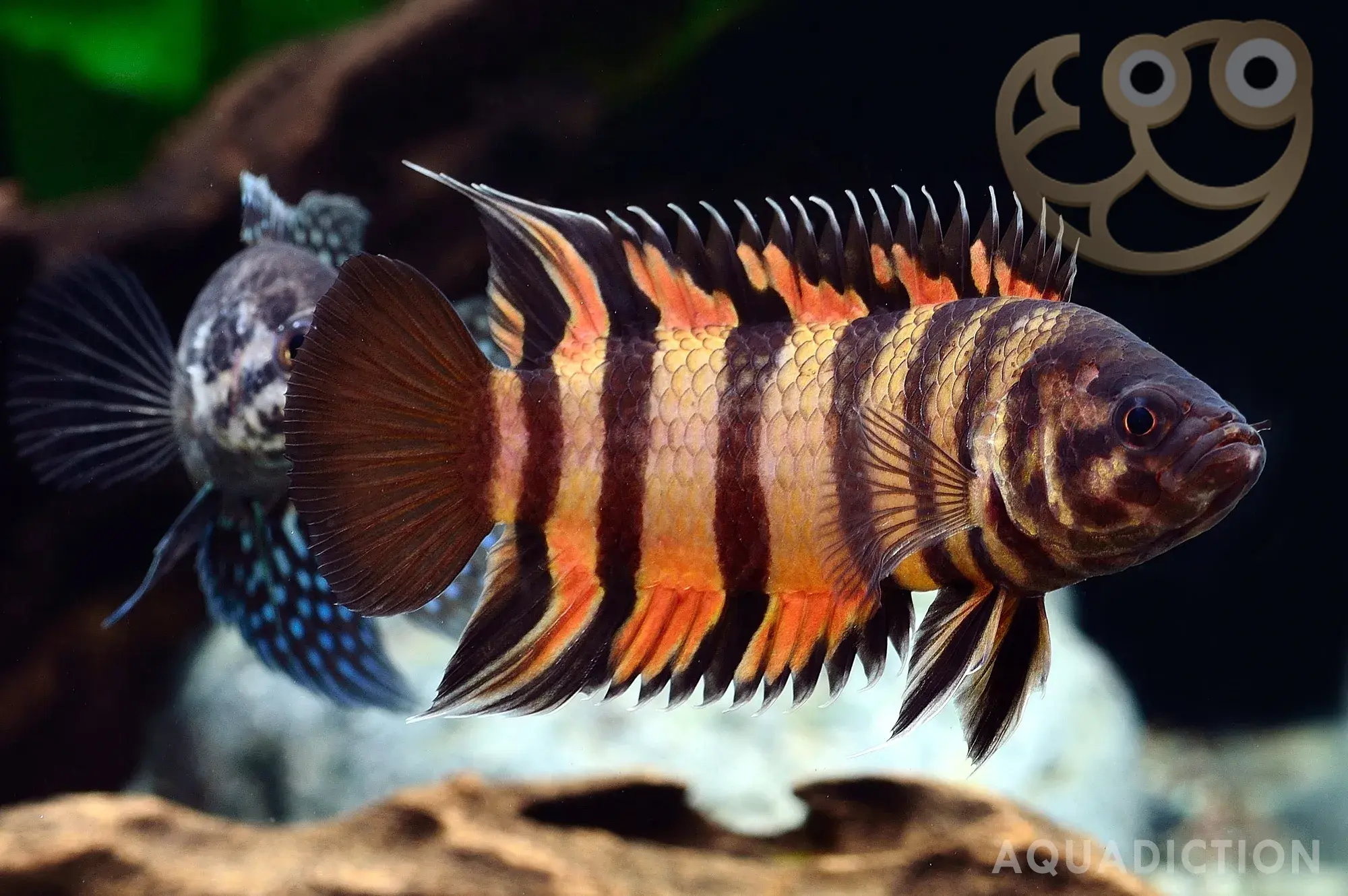
At a glance: Ornate ctenopoma care
Compiled reference information. Review the care notes and original sources below.
What temperature is listed for Ornate ctenopoma?
The compiled profile lists 20.0–28.0 °C for Ornate ctenopoma (Microctenopoma ansorgii). Check the original sources below for context and differing recommendations.
What tank size is listed for Ornate ctenopoma?
The profile lists a minimum tank volume of 26.4 US gallons (100.0 liters). Volume alone does not establish suitability; consider dimensions, group size and other inhabitants alongside the full care notes.
What pH is listed for Ornate ctenopoma?
The compiled profile lists a pH of 5.5–7.5. Review the cited care sources alongside the other water parameters in this profile.
Natural habitat
The Leopard Bushfish is commonly found in the slow-moving waters of swamps and rivers in Central Africa, where dense vegetation provides cover and hiding spots.
Where they are found
The species thrives in areas with abundant plant life, where it can hide and hunt in a natural setting. Its preference for vegetated areas aids in its ambush hunting strategy.
Aquarium care
Leopard Bushfish require a spacious aquarium with plenty of hiding areas created by using driftwood and plants. They do best in a heavily planted tank that mimics their natural environment. Regular water changes are essential to maintain good water quality.
Feeding
This fish thrives on a diet of small live or frozen foods and is particularly inclined towards protein-rich options. It is not particularly inclined to accept dried foods, making varied feeding crucial for its health.
Compatibility
This species is best kept with small, peaceful tankmates that occupy various levels of the aquarium. Ideal companions include hatchetfish, lampeyes, and small corydoras. Males may exhibit aggression towards each other, particularly when breeding, so providing adequate spaces and shelters is advisable.
Breeding
Breeding can be challenging but may occur in a well-maintained breeding setup with plenty of dense vegetation. They tend to lay their eggs on plant leaves, and the parents may exhibit protective behaviors over the eggs.
Sources
Compiled from multiple independent care sheets — not copied from a single site.