Catalog / plants / Dwarf baby tears
plant · Scrophulariaceae
Dwarf baby tears
Micranthemum callitrichoides
Wild range: Caribbean (North America)
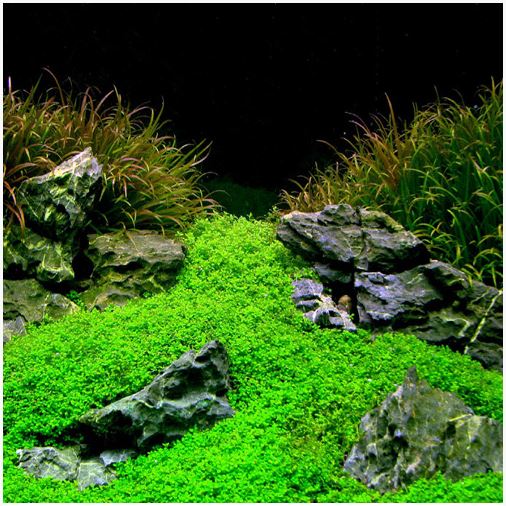
At a glance: Dwarf baby tears care
Compiled reference information. Review the care notes and original sources below.
What temperature is listed for Dwarf baby tears?
The compiled profile lists 20.0–28.0 °C for Dwarf baby tears (Micranthemum callitrichoides). Check the original sources below for context and differing recommendations.
What tank size is listed for Dwarf baby tears?
The profile lists a minimum tank volume of 1.3 US gallons (5.0 liters). Volume alone does not establish suitability; consider dimensions, group size and other inhabitants alongside the full care notes.
What pH is listed for Dwarf baby tears?
The compiled profile lists a pH of 6.0–8.0. Review the cited care sources alongside the other water parameters in this profile.
Natural habitat
Dwarf baby tears are native to tropical freshwater environments in the Caribbean, typically found in shallow waters with rich organic substratum and moderate light conditions. They often grow in clusters, forming dense carpets that provide cover for aquatic life.
Where they are found
Native to North America, primarily found in Florida, its adaptable nature allows it to flourish across various freshwater environments.
Aquarium care
Care for Dwarf Baby Tears involves using a dry start or Wabi Kusa setup to ensure a stable planting. It requires high light levels and a consistent CO2 injection to maintain its health and promote growth. Fertilization should be aligned with its metabolic needs, focusing on micronutrients to support dense growth.
Feeding
While dwarf baby tears can derive nutrients from the substrate, periodic supplementation with liquid fertilizers can enhance their vigor and lush appearance, particularly in aquariums with low nutrient levels.
Compatibility
Dwarf Baby Tears is community safe and can coexist with a variety of peaceful fish species. It is essential to keep in mind that strong currents can dislodge the delicate plant, so tankmates should also be chosen accordingly.
Breeding
Propagation is simple via stem clippings. Trim off the top of the plant, replant in your desired location, and it will root again swiftly.
Sources
Compiled from multiple independent care sheets — not copied from a single site.