Catalog / fish / Foersch's betta
fish · Osphronemidae
Foersch's betta
Betta foerschi
Wild range: Southeast Asia (Asia)
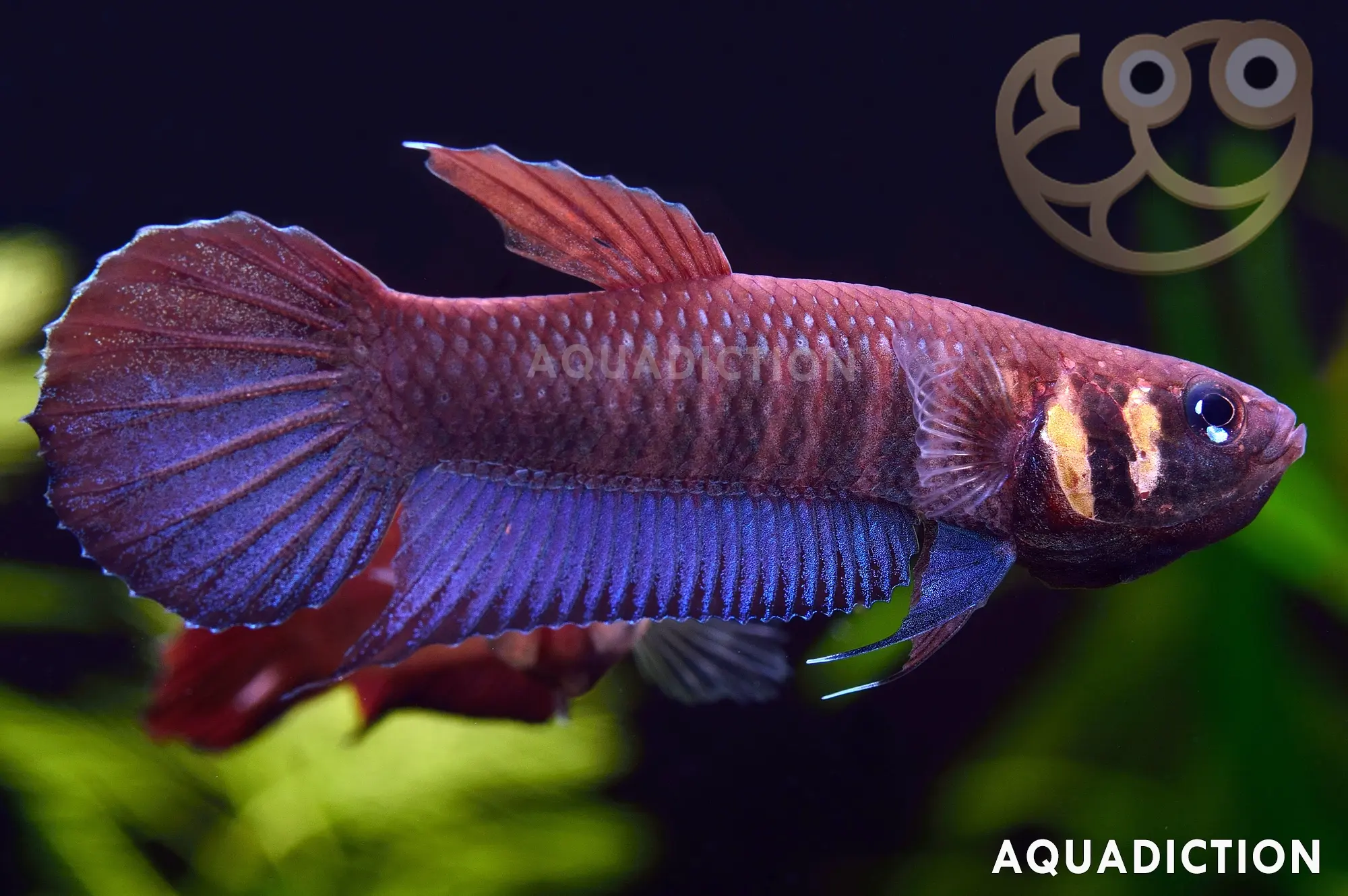
At a glance: Foersch's betta care
Compiled reference information. Review the care notes and original sources below.
What temperature is listed for Foersch's betta?
The compiled profile lists 22.0–28.0 °C for Foersch's betta (Betta foerschi). Check the original sources below for context and differing recommendations.
What tank size is listed for Foersch's betta?
The profile lists a minimum tank volume of 15.9 US gallons (60.0 liters). Volume alone does not establish suitability; consider dimensions, group size and other inhabitants alongside the full care notes.
What pH is listed for Foersch's betta?
The compiled profile lists a pH of 4.0–6.0. Review the cited care sources alongside the other water parameters in this profile.
Natural habitat
Foersch's Betta originates from the lush waters of Indonesia, where it typically inhabits slow-moving streams and ponds rich in vegetation. This environment provides shelter and feeding grounds, which are vital for their well-being in captivity.
Where they are found
The species has been observed in specific areas within Indonesia and Malaysia, notably in the swamp regions of Mandor and Kubu. These locations offer suitable conditions such as soft, acidic waters that mimic their natural habitats.
Aquarium care
To care for the Foersch's mouthbrooder, maintain stable water parameters with a pH of 4 to 6 and a temperature of 22 to 25 °C. Regular water changes of 20-30% each month are recommended to keep nitrate levels below 25 mg/L. Ensure the aquarium has plenty of hiding spots using plants, which provide a natural environment and encourage breeding behaviors.
Feeding
As omnivorous fish, Foersch’s Betta require a balanced diet that includes high-quality flakes, frozen or live food such as brine shrimp and daphnia. A varied diet is essential to keep them healthy and thriving.
Compatibility
While the Foersch's mouthbrooder is generally peaceful, it requires careful tank mate selection to prevent aggression, especially during breeding. It is best kept in species-specific aquariums or with similarly temperate species to enhance its survivalrate.
Breeding
Breeding Betta foerschi involves a paternal mouthbrooding process. The male will incubate the eggs in his mouth for approximately 15 days, depending on water temperature. It is advisable to separate the male after brooding to protect the young fry from potential aggression.
Sources
Compiled from multiple independent care sheets — not copied from a single site.