Catalog / plants / White cryptocoryne
plant · Araceae
White cryptocoryne
Cryptocoryne albida
Wild range: India, Sri Lanka, Malay Peninsula, Borneo, New Guinea (Asia)
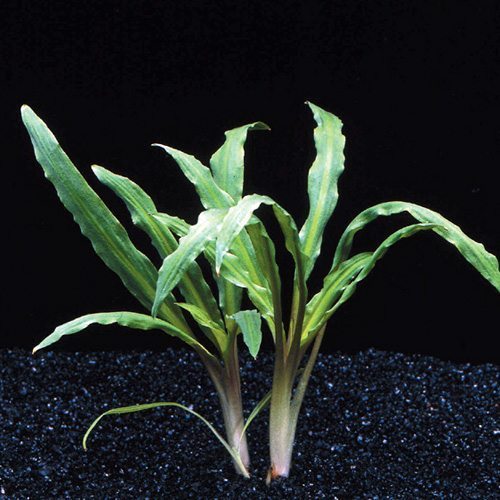
At a glance: White cryptocoryne care
Compiled reference information. Review the care notes and original sources below.
What temperature is listed for White cryptocoryne?
The compiled profile lists 15.0–30.0 °C for White cryptocoryne (Cryptocoryne albida). Check the original sources below for context and differing recommendations.
What tank size is listed for White cryptocoryne?
The profile lists a minimum tank volume of 11.8 US gallons (45.0 liters). Volume alone does not establish suitability; consider dimensions, group size and other inhabitants alongside the full care notes.
What pH is listed for White cryptocoryne?
The compiled profile lists a pH of 5.0–8.0. Review the cited care sources alongside the other water parameters in this profile.
Natural habitat
Cryptocoryne species thrive in a variety of freshwater habitats throughout Asia, often found in fast-flowing streams and floodplains, existing in both submerged and emersed forms based on environmental conditions. Their adaptability allows them to grow in various light and water conditions.
Where they are found
The natural habitat primarily includes wetlands and flooded forests, providing a rich, organic substrate that supports its slow growth. Distribution is observed in Thailand, which has a favorable climate for this plant.
Aquarium care
In an aquarium setting, providing a rich substrate, like a mixture of laterite and humus, is recommended to stimulate robust growth. Regular maintenance includes moderate lighting and optional CO2 enrichment for optimal development. Frequent pruning helps maintain plant health and encourages new growth.
Feeding
Offer a balanced liquid fertilizer regularly for healthy growth and to enhance coloration. Ensure that they're not subjected to rapid changes in water parameters to avoid stress-induced issues.
Compatibility
This plant is generally compatible with a variety of tank mates, especially peaceful species. It may struggle in highly competitive environments, so giving it adequate space is crucial.
Breeding
Propagation occurs through plant division or by planting separate bulbs. Frequent water changes and adequate light will support health post-division.
Sources
Compiled from multiple independent care sheets — not copied from a single site.