Catalog / fish / Siamese algae eater
fish · Cyprinidae
Siamese algae eater
Crossocheilus oblongus
Wild range: Southeast Asia (Asia)
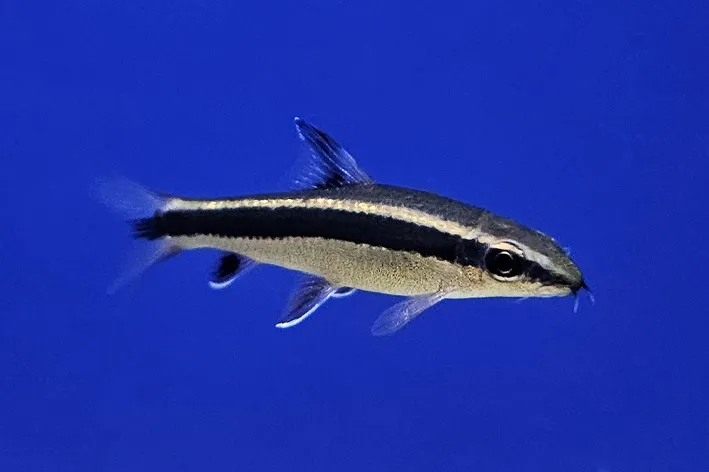
At a glance: Siamese algae eater care
Compiled reference information. Review the care notes and original sources below.
What temperature is listed for Siamese algae eater?
The compiled profile lists 20.0–26.0 °C for Siamese algae eater (Crossocheilus oblongus). Check the original sources below for context and differing recommendations.
What tank size is listed for Siamese algae eater?
The profile lists a minimum tank volume of 15.9 US gallons (60.0 liters). Volume alone does not establish suitability; consider dimensions, group size and other inhabitants alongside the full care notes.
What pH is listed for Siamese algae eater?
The compiled profile lists a pH of 6.0–7.5. Review the cited care sources alongside the other water parameters in this profile.
Natural habitat
The Siamese Algae Eater predominantly inhabits fast-flowing freshwater streams and rivers in Southeast Asia, particularly in Thailand and the Malayan peninsula. These fish thrive in environments with rocky substrates and ample algae growth, which forms a significant part of their diet. During the rainy season, they can also be found in flooded forests.
Where they are found
This species is endemic to various regions in Southeast Asia, including Cambodia, Indonesia, Malaysia, and Thailand. It is commonly found in deep rivers and streams where there is moderate to strong water flow.
Aquarium care
Siamese Algae Eaters are generally easy to care for, thriving in well-maintained tanks with moderate lighting and ample vegetation. It is essential to keep the water conditions stable, focusing on a neutral to slightly acidic pH and a temperature range between 24°C to 26°C. Regular water changes and careful attention to feeding practices will help maintain a clean tank environment, minimizing algae overgrowth.
Feeding
Siamese Algae Eaters are known for their ability to graze on algae, but they do require a varied diet for optimal health. Providing high-quality flakes, pellets, and occasional live or frozen foods will ensure they receive essential nutrients. If their dietary needs are not met, they may nibble on your aquarium plants.
Compatibility
These fish are generally peaceful and can be housed with various community fish. However, they may become territorial as they mature, so it's advised to keep them in groups of three or more to minimize aggression. Avoid pairing with other territorial bottom dwellers, but they can coexist with peaceful species like Corydoras or other mid to top-dwelling fish.
Breeding
Breeding the siamese algae-eater in captivity is considered difficult. They are egg layers and require specific conditions, including a spawning surface and suitable water parameters. Care should be taken to avoid hybridization, as this can occur if multiple species of the same genus are kept together.
Sources
Compiled from multiple independent care sheets — not copied from a single site.