Catalog / plants / Beckett's cryptocoryne
plant · Araceae
Beckett's cryptocoryne
Cryptocoryne beckettii
Wild range: Southeast Asia (Asia)
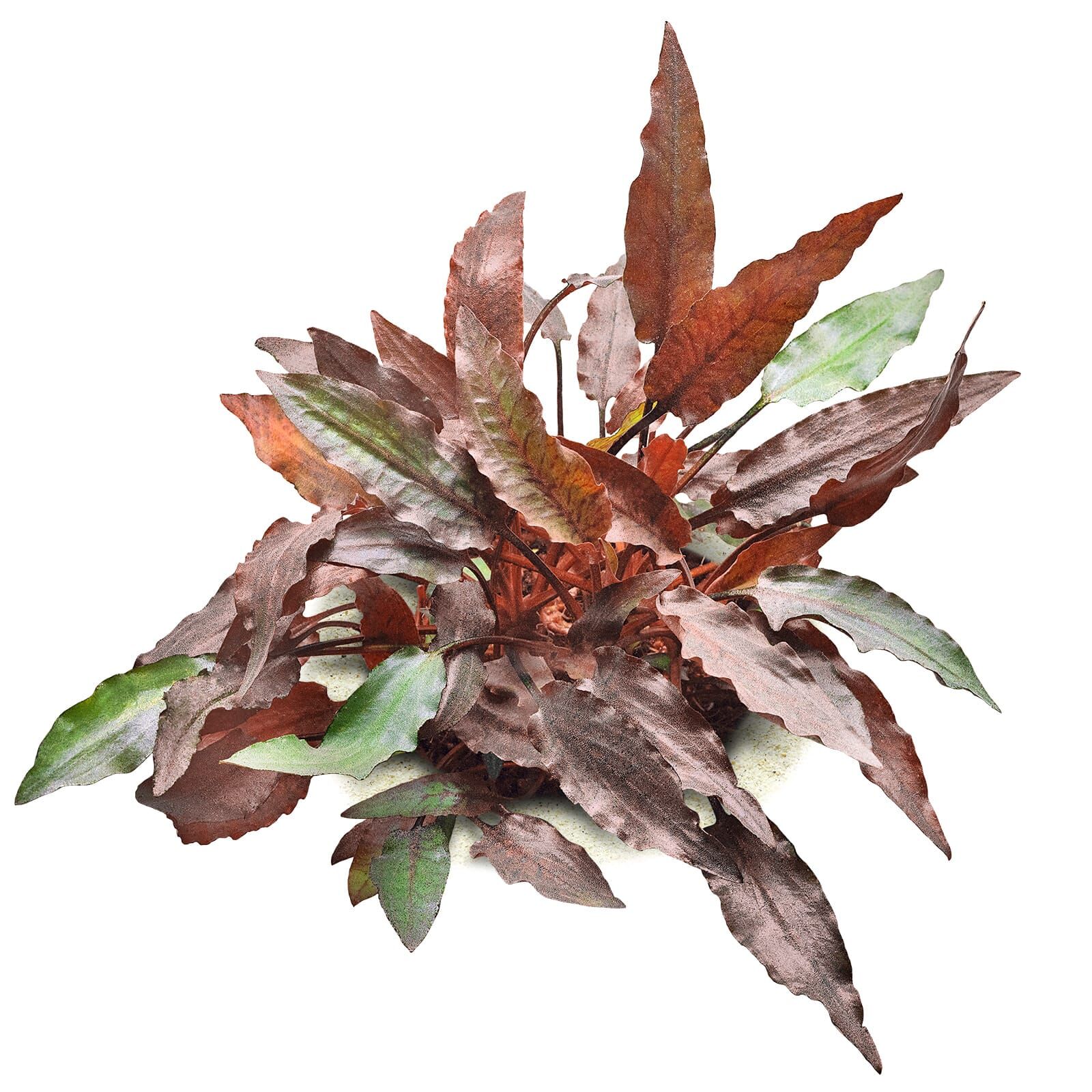
At a glance: Beckett's cryptocoryne care
Compiled reference information. Review the care notes and original sources below.
What temperature is listed for Beckett's cryptocoryne?
The compiled profile lists 15.0–30.0 °C for Beckett's cryptocoryne (Cryptocoryne beckettii). Check the original sources below for context and differing recommendations.
What tank size is listed for Beckett's cryptocoryne?
The profile lists a minimum tank volume of 7.9 US gallons (30.0 liters). Volume alone does not establish suitability; consider dimensions, group size and other inhabitants alongside the full care notes.
What pH is listed for Beckett's cryptocoryne?
The compiled profile lists a pH of 5.0–8.0. Review the cited care sources alongside the other water parameters in this profile.
Natural habitat
Cryptocoryne beckettii is native to Southeast Asia, primarily found in Thailand's lowland rivers and swamps. This plant enjoys slightly acidic to neutral water conditions and thrives in moderate to low light, making it versatile within various freshwater aquariums.
Where they are found
This species is widely distributed in freshwater swamps and slow-moving streams of Sri Lanka, where it demonstrates great resilience and robustness, often forming substantial plant communities.
Aquarium care
Caring for Cryptocoryne beckettii is relatively straightforward. It requires a nutrient-rich substrate for optimal growth. Regular trimming helps maintain its shape and encourages denser growth. This plant does not require intense lighting but benefits from moderate light exposure to enhance its color.
Feeding
While this plant does not require direct feeding, providing nutrients via the substrate and occasional water column fertilization will promote healthy growth and vibrant coloration.
Compatibility
Cryptocoryne beckettii is compatible with many peaceful species, making it suitable for community tanks. It provides good coverage for smaller fish and can create a beautiful contrast with lighter-colored plants.
Breeding
Breeding occurs vegetatively, where new plants can be propagated from sections of the parent plant. Ensuring a stable aquatic environment encourages offshoot production.
Sources
Compiled from multiple independent care sheets — not copied from a single site.