Catalog / fish / Angelicus synodontis
fish · Mochokidae
Angelicus synodontis
Synodontis angelicus
Wild range: Central Africa (Africa)
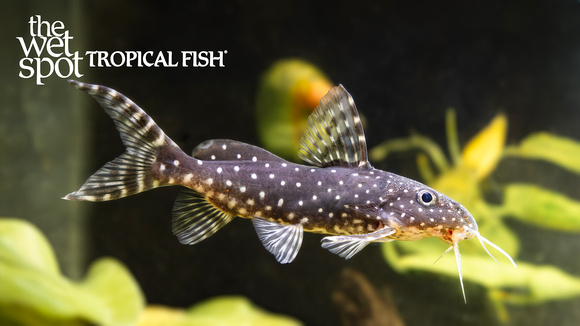
At a glance: Angelicus synodontis care
Compiled reference information. Review the care notes and original sources below.
What temperature is listed for Angelicus synodontis?
The compiled profile lists 24.0–28.0 °C for Angelicus synodontis (Synodontis angelicus). Check the original sources below for context and differing recommendations.
What tank size is listed for Angelicus synodontis?
The profile lists a minimum tank volume of 75.0 US gallons (284.0 liters). Volume alone does not establish suitability; consider dimensions, group size and other inhabitants alongside the full care notes.
What pH is listed for Angelicus synodontis?
The compiled profile lists a pH of 6.5–8.5. Review the cited care sources alongside the other water parameters in this profile.
Natural habitat
Synodontis angelicus is predominantly found in the Congo River basin, where it inhabits slow-moving waters with plenty of shelter and breeding grounds. They thrive in areas rich in vegetation and decaying organic matter, which provides both food sources and shelter from predators.
Where they are found
Both parent species, Synodontis angelicus and Synodontis decorus, are indigenous to various regions within the Congo basin, contributing to the Arbiliniata's adaptability to similar habitats in captivity.
Aquarium care
To care for Synodontis angelicus, provide a spacious aquarium with plenty of hiding spots such as caves and dense aquatic plants. Maintain water quality with regular changes and monitor parameters closely since they are sensitive to poor water conditions. These fish prefer a well-balanced diet that includes both plant and animal matter, such as sinking pellets, bloodworms, and algae wafers.
Feeding
Arbiliniatas are omnivorous and appreciate a varied diet consisting of meaty foods, sinking pellets, and algae-rich options. They thrive on Nutramar Shots and benefit from additional protein sources like bloodworms and chopped fish. Incorporating vegetables like zucchini and spinach helps diversify their nutrition. Regular feeding during low light periods is recommended.
Compatibility
While generally peaceful, Arbiliniatas are best housed alone or in groups of five or six with plenty of space and hiding spots. They can coexist with similar-sized peaceful fish, such as certain African Cichlids and large tetras. Aggression can arise in confined spaces, so distinctive territories are essential for harmony.
Breeding
Breeding Synodontis angelicus in captivity can be challenging. They are egg layers and may require specific conditions to encourage spawning, including a separate breeding tank with optimal water parameters. It's often best to introduce a larger group of these fish to encourage natural breeding behavior, but be prepared for potential aggression among males during this period.
Sources
Compiled from multiple independent care sheets — not copied from a single site.