Catalog / invertebrates / Piano snail
invertebrate · Viviparidae
Piano snail
Taia naticoides
Wild range: Southeast Asia (Asia)
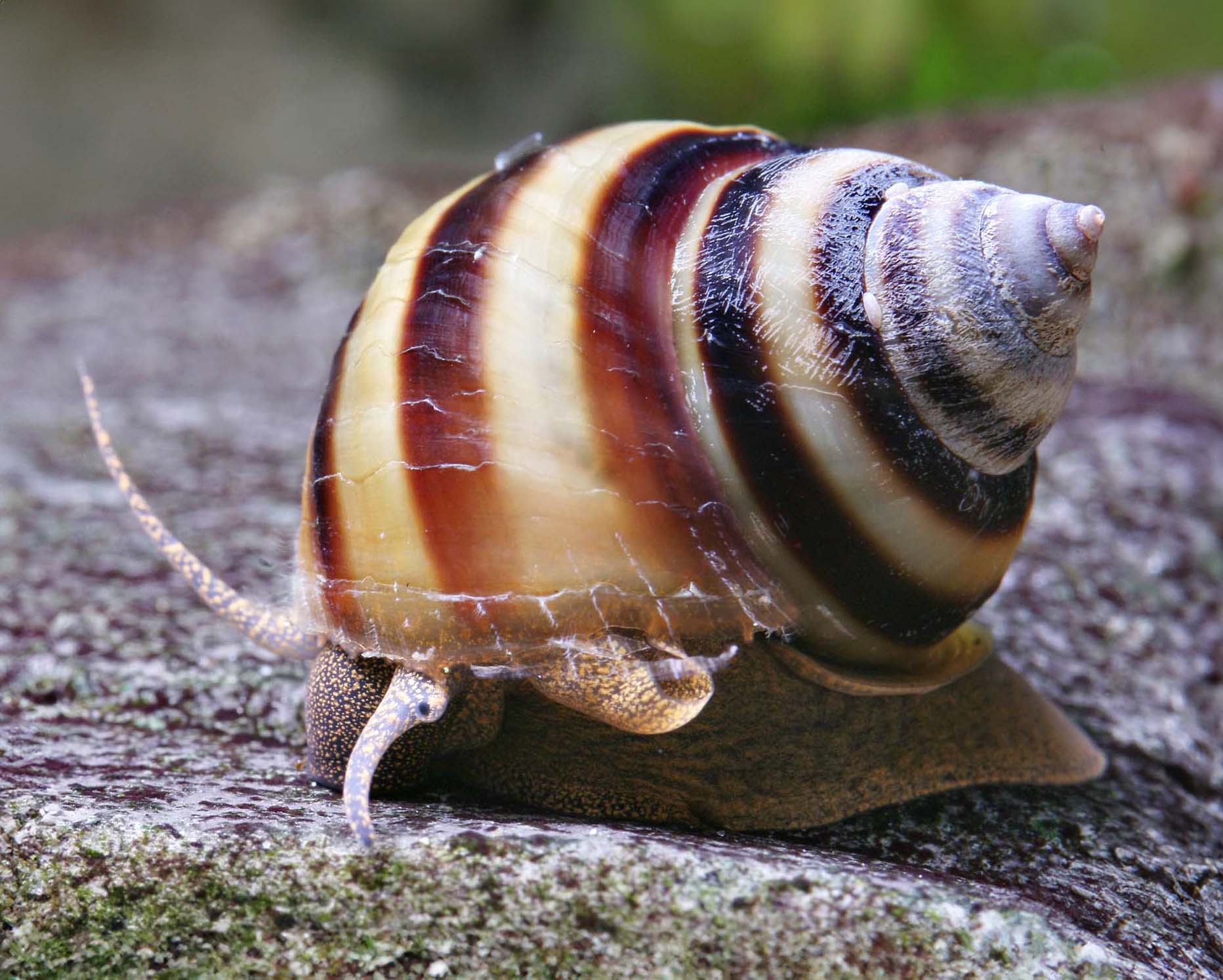
At a glance: Piano snail care
Compiled reference information. Review the care notes and original sources below.
What temperature is listed for Piano snail?
The compiled profile lists 15.6–28.0 °C for Piano snail (Taia naticoides). Check the original sources below for context and differing recommendations.
What tank size is listed for Piano snail?
The profile lists a minimum tank volume of 2.0 US gallons (7.6 liters). Volume alone does not establish suitability; consider dimensions, group size and other inhabitants alongside the full care notes.
What pH is listed for Piano snail?
The compiled profile lists a pH of 6.5–8.2. Review the cited care sources alongside the other water parameters in this profile.
Natural habitat
Taia naticoides, or Piano Snail, is primarily found in silty regions of freshwater lakes. In the wild, they tend to burrow into soft sand or silt for resting, which mimics their natural habitat well in aquariums.
Where they are found
The species is relatively uncommon and renowned for its beautiful, smooth, spiraled shell resembling piano keys, making it a sought after choice for aquarists.
Aquarium care
Piano Snails require a minimum tank size of 10 gallons with a soft, fine sand substrate. A densely planted aquarium with hiding spots will provide a secure environment. They thrive in moderate to low lighting and should be kept in gently flowing water to avoid stress.
Feeding
Piano Snails consume uneaten fish food and detritus effectively. They benefit from specific feedings such as spirulina slurry and dried leaves to enhance biofilm growth, which is also beneficial for their diet.
Compatibility
Peaceful and non-aggressive, Piano Snails can coexist with various community fish and shrimp. However, they should not be housed with aggressive species that may harm them.
Breeding
They can breed in captivity, laying eggs on hard surfaces like rocks or aquarium glass. Egg hatching usually occurs after a few weeks, and juvenile snails begin to graze immediately post-hatch.
Sources
Compiled from multiple independent care sheets — not copied from a single site.