Catalog / fish / Ocellated betta
fish · Osphronemidae
Ocellated betta
Betta ocellata
Wild range: South Asia (Asia)
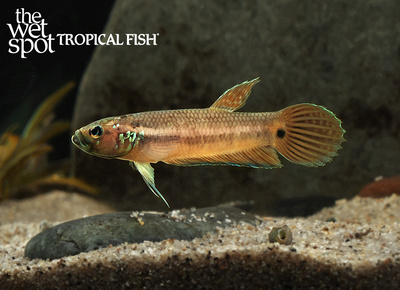
At a glance: Ocellated betta care
Compiled reference information. Review the care notes and original sources below.
What temperature is listed for Ocellated betta?
The compiled profile lists 23.0–27.0 °C for Ocellated betta (Betta ocellata). Check the original sources below for context and differing recommendations.
What tank size is listed for Ocellated betta?
The profile lists a minimum tank volume of 5.0 US gallons (18.9 liters). Volume alone does not establish suitability; consider dimensions, group size and other inhabitants alongside the full care notes.
What pH is listed for Ocellated betta?
The compiled profile lists a pH of 6.3–8.0. Review the cited care sources alongside the other water parameters in this profile.
Natural habitat
The Eyespot mouthbrooder inhabits small streams and floodplains in South Asia, predominantly found in countries like Malaysia, Borneo, and Indonesia.
Where they are found
The species thrives in the warm, tropical climates of Thailand and surrounding countries, where they are commonly found in densely vegetated areas.
Aquarium care
It is recommended to maintain a minimum tank size of 5 gallons, included with a gentle filter to avoid strong currents. Provide plenty of hiding spots with plants or decorations, and ensure a stable temperature between 24-27 °C. Regular water changes (about 25% weekly) are crucial, as is monitoring water parameters closely.
Feeding
In the initial period after introduction to the aquarium, provide live or frozen foods like daphnia or bloodworms until they acclimatize. Once settled, they can be fed high-quality flakes or small pellets in small, frequent meals.
Compatibility
Male Bettas are highly territorial with their own kind, so they should not be housed together. Community setups may include peaceful species like Corydoras or small Tetras, avoiding fin-nippers or aggressive fish.
Breeding
Breeding bettas should be done carefully, as males can be very aggressive towards females. A breeding tank should have calm parameters, adequate hiding spots, and the male should be introduced to the female only under supervision to prevent aggression.
Sources
Compiled from multiple independent care sheets — not copied from a single site.