Catalog / invertebrates / Least dwarf crayfish
invertebrate · Cambaridae
Least dwarf crayfish
Cambarellus diminutus
Wild range: USA (North America)
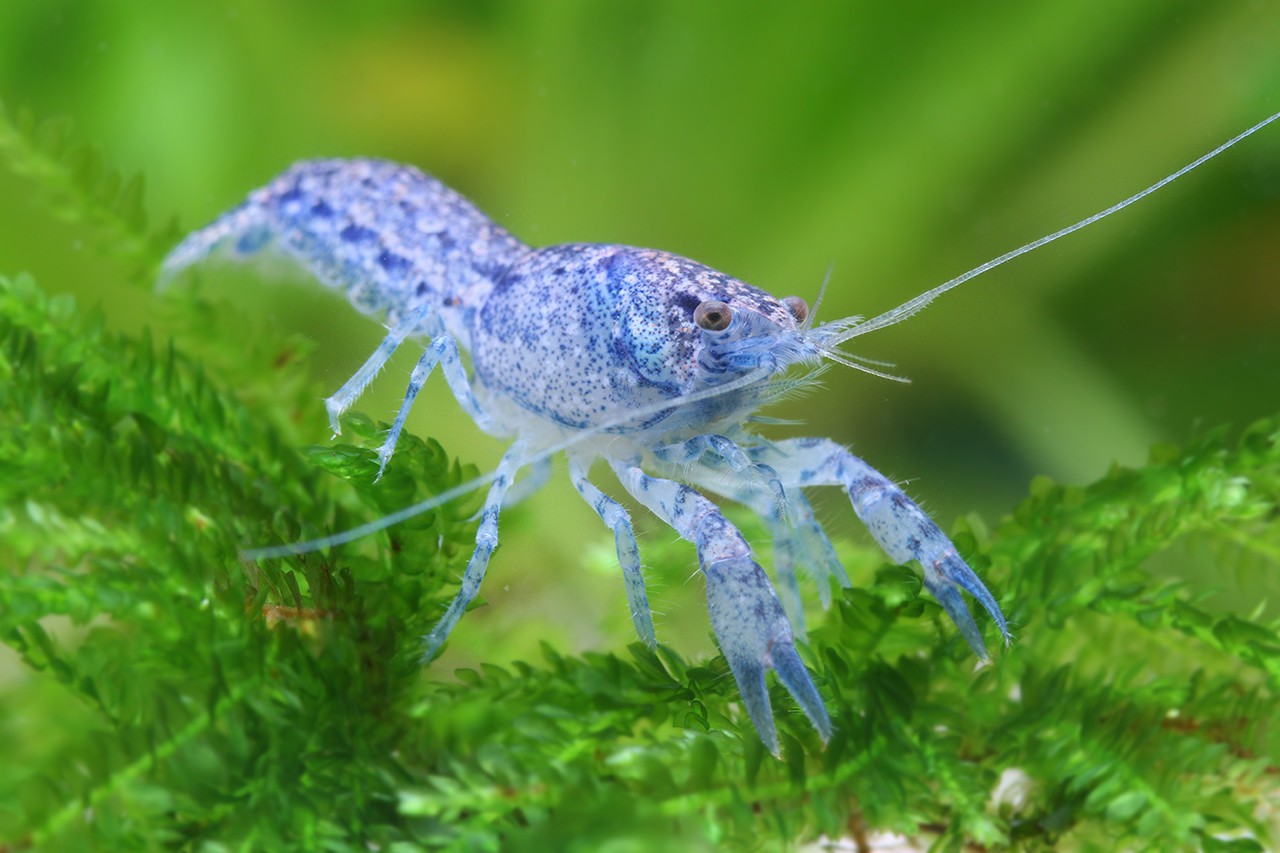
At a glance: Least dwarf crayfish care
Compiled reference information. Review the care notes and original sources below.
What temperature is listed for Least dwarf crayfish?
The compiled profile lists 20.0–27.0 °C for Least dwarf crayfish (Cambarellus diminutus). Check the original sources below for context and differing recommendations.
What tank size is listed for Least dwarf crayfish?
The profile lists a minimum tank volume of 5.0 US gallons (19.0 liters). Volume alone does not establish suitability; consider dimensions, group size and other inhabitants alongside the full care notes.
What pH is listed for Least dwarf crayfish?
The compiled profile lists a pH of 6.5–8.0. Review the cited care sources alongside the other water parameters in this profile.
Natural habitat
Diminutus Crayfish are found in freshwater habitats, preferring areas with stable water parameters and ample hiding spots. They are typically active at night and defend small territories during the day.
Where they are found
The species is commonly found in swampy areas and slow-moving waters, exhibiting a preference for water with good quality and an abundance of cover.
Aquarium care
To care for Blue Mini Least Crayfish, a clean tank with good filtration and regular water changes is crucial. Ensure the water conditions are kept stable, and provide plenty of hiding spots to reduce stress and territorial behavior.
Feeding
The diet should consist of sinking pellets, blanched vegetables, and protein sources like frozen bloodworms. Regular feeding schedules should be followed to maintain optimal health, and uneaten food must be removed promptly to prevent water quality issues.
Compatibility
Blue Mini Mexican Crayfish are generally peaceful but can become territorial with inadequate space. They are best kept with other peaceful species that do not pose a threat, and are not recommended to house with aggressive fish or smaller shrimp that they might see as food.
Breeding
They are relatively easy to breed. Mating occurs after the female molts, and she will carry the fertilized eggs on her swimmerets until they hatch. Ensure plenty of hiding spots for the young to avoid predation from adults.
Sources
Compiled from multiple independent care sheets — not copied from a single site.