Catalog / fish / Striped panchax
fish
Striped panchax
Aplocheilus lineatus
Wild range: East & Southeast Asia (Asia)
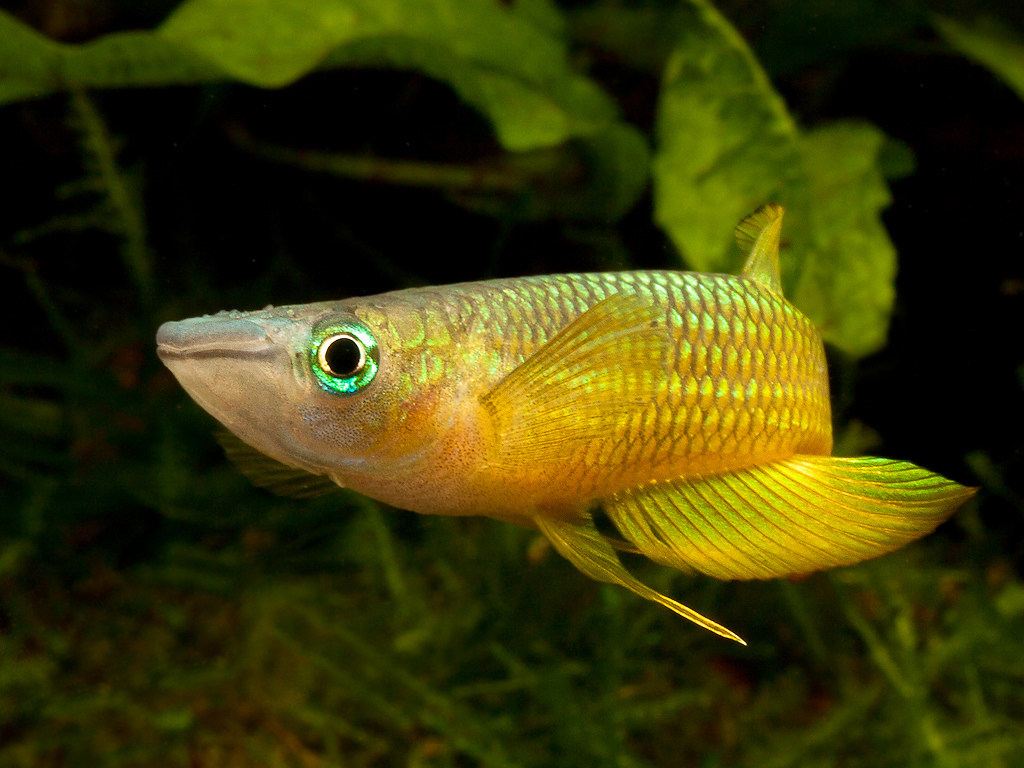
At a glance: Striped panchax care
Compiled reference information. Review the care notes and original sources below.
What temperature is listed for Striped panchax?
The compiled profile lists 22.0–28.9 °C for Striped panchax (Aplocheilus lineatus). Check the original sources below for context and differing recommendations.
What tank size is listed for Striped panchax?
The profile lists a minimum tank volume of 20.0 US gallons (75.7 liters). Volume alone does not establish suitability; consider dimensions, group size and other inhabitants alongside the full care notes.
What pH is listed for Striped panchax?
The compiled profile lists a pH of 6.5–7.5. Review the cited care sources alongside the other water parameters in this profile.
Natural habitat
The Striped Panchax is commonly found in freshwater habitats across East and Southeast Asia. They prefer environments that offer both cover and open swimming spaces, making them comfortable in a well-balanced aquarium setup.
Where they are found
This species is primarily distributed in India and Sri Lanka, where it thrives in a variety of aquatic habitats.
Aquarium care
Provide a minimum tank size of 115 liters (30 US gallons) to ensure stability and comfort for the Striped Panchax. Maintain water temperatures of 22-25°C and a pH range of 6.5-7.5. Care for them involves regular water changes and monitoring water quality to avoid pollutants like ammonia and nitrites.
Feeding
Offer a varied diet including floating flakes, pellets, and occasional live or frozen foods such as brine shrimp or bloodworms to entice feeding.
Compatibility
While generally peaceful, avoid housing them with smaller fish or shrimp as they may prey on them.
Breeding
These fish are egg layers, and breeding can occur in a well-planted aquarium. To stimulate breeding behavior, a slight increase in temperature may be beneficial, along with providing dense vegetation for the eggs.
Sources
Compiled from multiple independent care sheets — not copied from a single site.