fish · Characidae
Pretty tetra
Hemigrammus pulcher
Wild range: Peru (South America)
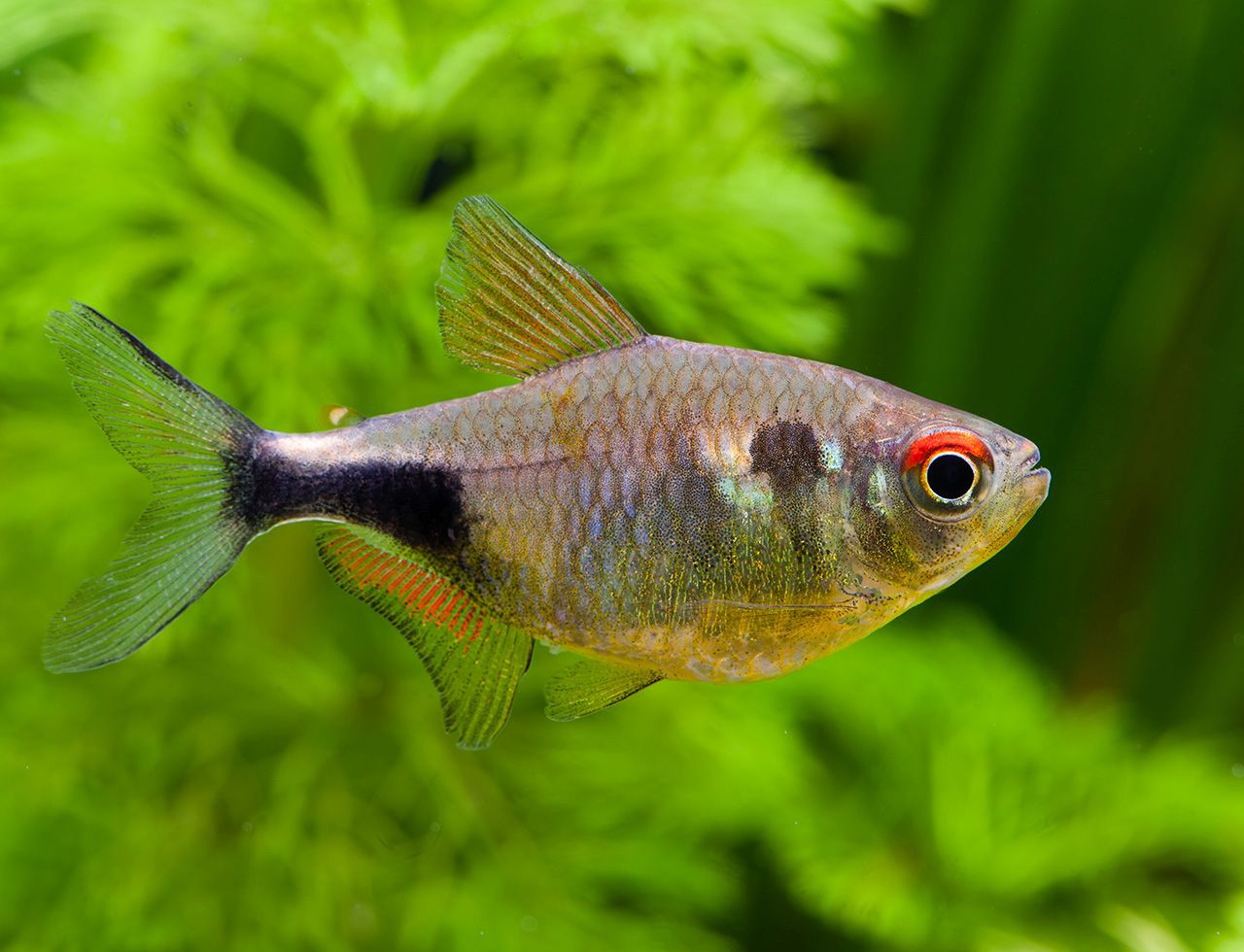
At a glance: Pretty tetra care
Compiled reference information. Review the care notes and original sources below.
What temperature is listed for Pretty tetra?
The compiled profile lists 22.0–27.0 °C for Pretty tetra (Hemigrammus pulcher). Check the original sources below for context and differing recommendations.
What tank size is listed for Pretty tetra?
The profile lists a minimum tank volume of 16.0 US gallons (60.0 liters). Volume alone does not establish suitability; consider dimensions, group size and other inhabitants alongside the full care notes.
What pH is listed for Pretty tetra?
The compiled profile lists a pH of 5.5–7.5. Review the cited care sources alongside the other water parameters in this profile.
Natural habitat
The Pretty Tetra is typically found in the clear waters of the Amazon River Basin in Peru, where it inhabits small streams and rivers rich in vegetation.
Where they are found
This species predominantly inhabits the Amazon Basin, where it is found in slow-moving waters with abundant vegetation. They are often associated with areas rich in plant life that provide food and shelter.
Aquarium care
In aquariums, the Pretty Tetra should be kept in a school of at least six individuals to ensure they feel secure and display their natural behavior. The tank should be well-planted with open swimming areas and gentle water flow. Regular water changes and maintenance are essential to keep water parameters stable and conducive for their health.
Feeding
Pretty Tetras are omnivores with a diet that includes flake foods, micro pellets, and occasional offerings of frozen or live foods like brine shrimp, daphnia, and bloodworms. A varied diet enriches their nutrition and enhances their colors.
Compatibility
Pretty Tetras are ideal for community tanks due to their peaceful nature. They make excellent companions for other small, non-aggressive fish, provided the aquarium is spacious enough to accommodate their schooling behavior.
Breeding
Breeding requires slightly acidic water and dense vegetation where eggs can be deposited. They are egg layers, and parents should be removed after spawning to prevent them from eating the offspring.
Sources
Compiled from multiple independent care sheets — not copied from a single site.