Catalog / plants / Dwarf hygrophila
plant · Acanthaceae
Dwarf hygrophila
Hygrophila polysperma
Wild range: Southeast Asia (Asia)
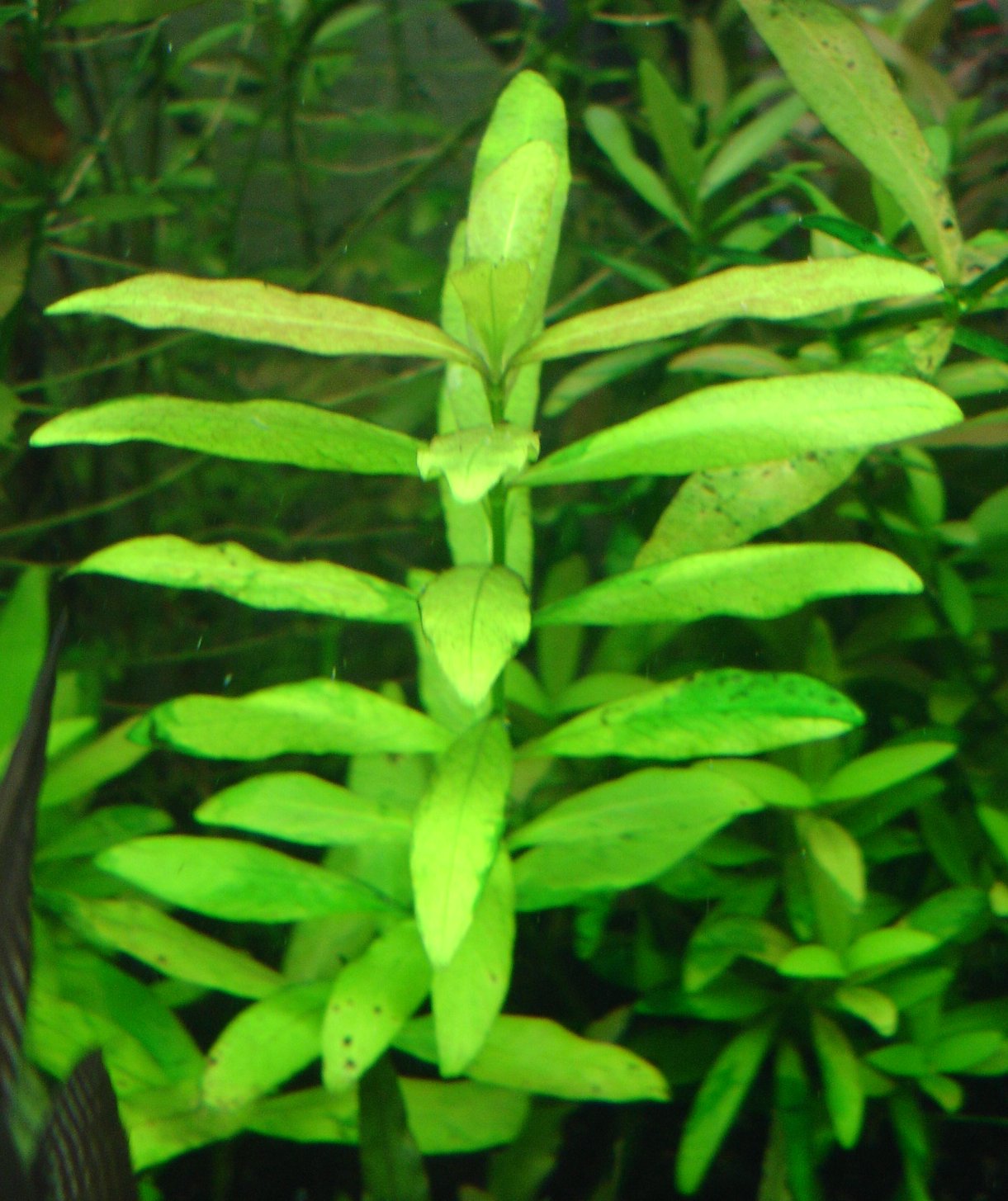
At a glance: Dwarf hygrophila care
Compiled reference information. Review the care notes and original sources below.
What temperature is listed for Dwarf hygrophila?
The compiled profile lists 18.0–30.0 °C for Dwarf hygrophila (Hygrophila polysperma). Check the original sources below for context and differing recommendations.
What tank size is listed for Dwarf hygrophila?
The profile lists a minimum tank volume of 5.0 US gallons (20.0 liters). Volume alone does not establish suitability; consider dimensions, group size and other inhabitants alongside the full care notes.
What pH is listed for Dwarf hygrophila?
The compiled profile lists a pH of 6.0–8.0. Review the cited care sources alongside the other water parameters in this profile.
Natural habitat
Hygrophila polysperma predominantly thrives in freshwater habitats, often found in shallow water conditions such as rivers and lakes across Asia. This plant enjoys a submerged life, taking advantage of stable water conditions and moderate temperatures.
Where they are found
This species is prevalent in freshwater habitats across several countries in South Asia, adapting well to different environmental conditions that exist in these regions.
Aquarium care
Dwarf hygrophila is considered one of the hardiest aquarium plants, ideal for beginners due to its ability to flourish in diverse water conditions. Regular pruning is necessary to prevent overgrowth and maintain aesthetic appeal.
Feeding
Although primarily utilized as an attractive aquarium plant, Hygrophila polysperma can also serve as partial food for certain herbivorous fish species that may nibble on its leaves. This trait makes it a valuable addition to community tanks where such fish are present.
Compatibility
The plant is generally compatible with a variety of small fishes and snails but should be kept away from goldfish and digging cichlids, which may uproot or consume the plant.
Breeding
Propagation is generally achieved through cuttings. Trim healthy stems and replant them to expand your aquatic garden.
Sources
Compiled from multiple independent care sheets — not copied from a single site.