fish · Osphronemidae
Borneo betta
Betta taeniata
Wild range: Southeast Asia (Asia)
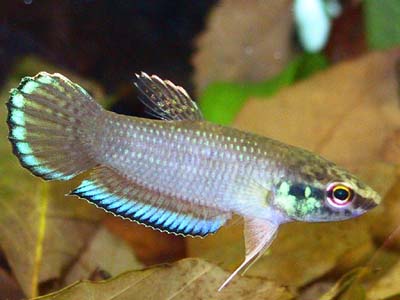
At a glance: Borneo betta care
Compiled reference information. Review the care notes and original sources below.
What temperature is listed for Borneo betta?
The compiled profile lists 23.0–27.2 °C for Borneo betta (Betta taeniata). Check the original sources below for context and differing recommendations.
What tank size is listed for Borneo betta?
The profile lists a minimum tank volume of 2.5 US gallons (9.5 liters). Volume alone does not establish suitability; consider dimensions, group size and other inhabitants alongside the full care notes.
What pH is listed for Borneo betta?
The compiled profile lists a pH of 6.5–7.8. Review the cited care sources alongside the other water parameters in this profile.
Natural habitat
Betta fish are native to the warm, shallow waters of Southeast Asia, often found in rice paddies, canals, and ponds. These habitats feature dense plant growth and slow-moving water, providing both shelter and feeding opportunities. Bettas possess a labyrinth organ, allowing them to breathe air at the surface, which is crucial in their often oxygen-poor environments.
Where they are found
The natural range of Betta taeniata includes parts of Indonesia (namely Sumatra and Borneo), Malaysia, Singapore, Thailand, and Vietnam. Known occurrences point to various specific localities in these countries, where they thrive in different water conditions.
Aquarium care
To care for a betta fish, maintain a stable water temperature between 24°C and 27°C, with a well-cycled tank of at least 9 liters for optimal conditions. Use a gentle filter to prevent stress from strong currents and perform regular water changes to maintain water quality. Provide hiding spots with decorations or plants to help the betta feel secure.
Feeding
This species has a varied diet, enjoying both dry and live foods. They particularly relish mosquito larvae, small earthworms, and tubifex. Regular feedings will promote healthy growth and attract them out of hiding during meals.
Compatibility
Betta taeniata is generally peaceful and can coexist harmoniously with suitable community tank mates. However, caution should be exercised to avoid aggression from more territorial species. Providing plenty of hiding spaces will help reduce stress and territorial disputes.
Breeding
Breeding bettas requires a separate breeding tank with controlled conditions. The male builds a bubble nest where the female lays her eggs. Post-spawning, the male will guard the nest until the fry are free-swimming. It’s important to remove the female after breeding to prevent aggression.
Sources
Compiled from multiple independent care sheets — not copied from a single site.