fish · Osphronemidae
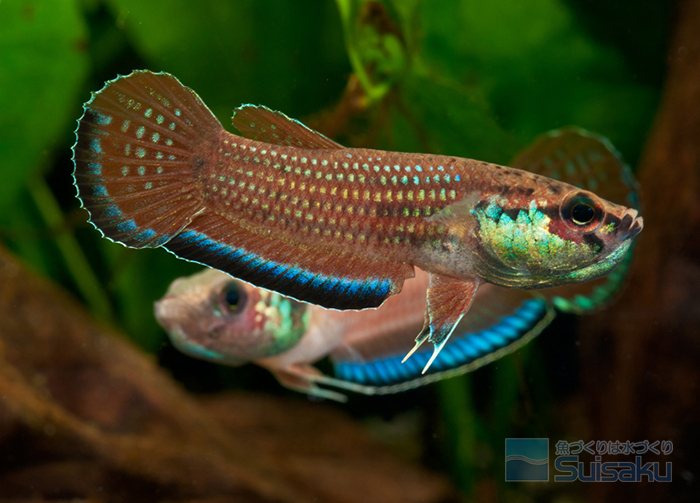
Krabi betta
Betta simplex
Wild range: Southeast Asia (Asia)
At a glance: Krabi betta care
Compiled reference information. Review the care notes and original sources below.
What temperature is listed for Krabi betta?
The compiled profile lists 22.0–29.0 °C for Krabi betta (Betta simplex). Check the original sources below for context and differing recommendations.
What tank size is listed for Krabi betta?
The profile lists a minimum tank volume of 5.0 US gallons (20.0 liters). Volume alone does not establish suitability; consider dimensions, group size and other inhabitants alongside the full care notes.
What pH is listed for Krabi betta?
The compiled profile lists a pH of 5.5–8.5. Review the cited care sources alongside the other water parameters in this profile.
Natural habitat
The Krabi Mouth Brooding Betta inhabits crystal clear limestone karst streams and emerald pools in the Krabi province of Thailand. These habitats are characterized by a unique geological structure and support a variety of aquatic life due to their clear water and stable conditions.
Where they are found
This species is endemic to the Mekong River Basin, where it inhabits the flooded forest regions. The waters are often rich in organic material and can vary in pH and hardness.
Aquarium care
For optimal care, these Bettas should be kept in a well-planted aquarium with gentle water flow and ample hiding places. Use a sponge filter to maintain water quality without creating strong currents. Regular water changes and monitoring of water parameters are crucial.
Feeding
A varied diet is important for the health of the Krabi Mouth Brooding Betta. Offer high-quality flake foods, frozen or live foods like daphnia, and brine shrimp to ensure a balanced nutrition. Their small size means that finely crushed foods are preferable for feeding.
Compatibility
Generally, these Bettas prefer to be kept alone or in small groups with more females than males. Peaceful cohabitation with other non-aggressive species is possible, but it is crucial to monitor interactions and provide sufficient cover.
Breeding
Breeding involves the male incubating eggs in his mouth. It’s important to create a tranquil environment for the couple, ensuring plenty of cover. Males can become protective, so monitor behaviors closely during this time.
Sources
Compiled from multiple independent care sheets — not copied from a single site.