Catalog / fish / Horseshoe betta
fish · Osphronemidae
Horseshoe betta
Betta hipposideros
Wild range: Southeast Asia (Asia)
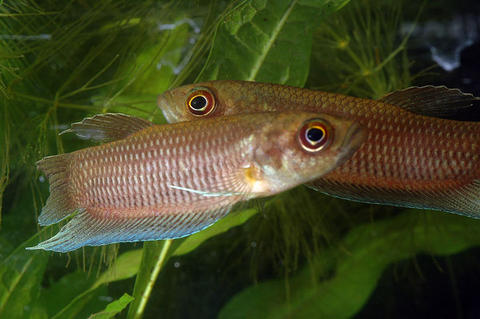
At a glance: Horseshoe betta care
Compiled reference information. Review the care notes and original sources below.
What temperature is listed for Horseshoe betta?
The compiled profile lists 22.0–28.0 °C for Horseshoe betta (Betta hipposideros). Check the original sources below for context and differing recommendations.
What tank size is listed for Horseshoe betta?
The profile lists a minimum tank volume of 8.0 US gallons (30.0 liters). Volume alone does not establish suitability; consider dimensions, group size and other inhabitants alongside the full care notes.
What pH is listed for Horseshoe betta?
The compiled profile lists a pH of 3.5–7.5. Review the cited care sources alongside the other water parameters in this profile.
Natural habitat
Betta hipposideros is found in shallow freshwater habitats such as lakes and swamps in Malaysia and Indonesia, typically in warm waters with low pH.
Where they are found
This species is endemic to Malaysia, specifically found in areas where the unique blackwater environment prevails, impacting its overall population due to habitat degradation.
Aquarium care
Betta hipposideros is an easy fish to care for and thrives in a group of at least five to six individuals. They prefer a well-planted aquarium with hiding spots but can adapt to a variety of environments, provided the water parameters are maintained within recommended ranges.
Feeding
This species thrives on a varied diet, including high-quality pellets, frozen or live foods such as brine shrimp and bloodworms, ensuring they receive the right nutrition for optimal health and colors.
Compatibility
While they are generally peaceful, caution should be exercised when introducing them to new tank mates. They do well with other peaceful species, but aggressive tank mates should be avoided to prevent stress and territorial disputes.
Breeding
Mimicking natural conditions can lead to successful breeding. The males are known to exhibit courtship behaviors similar to those of related species, making breeding relatively straightforward for aquarists.
Sources
Compiled from multiple independent care sheets — not copied from a single site.