Catalog / invertebrates / Dusky nerite
invertebrate · Neritidae
Dusky nerite
Neritina pulligera
Wild range: Indo-Pacific (Asia)
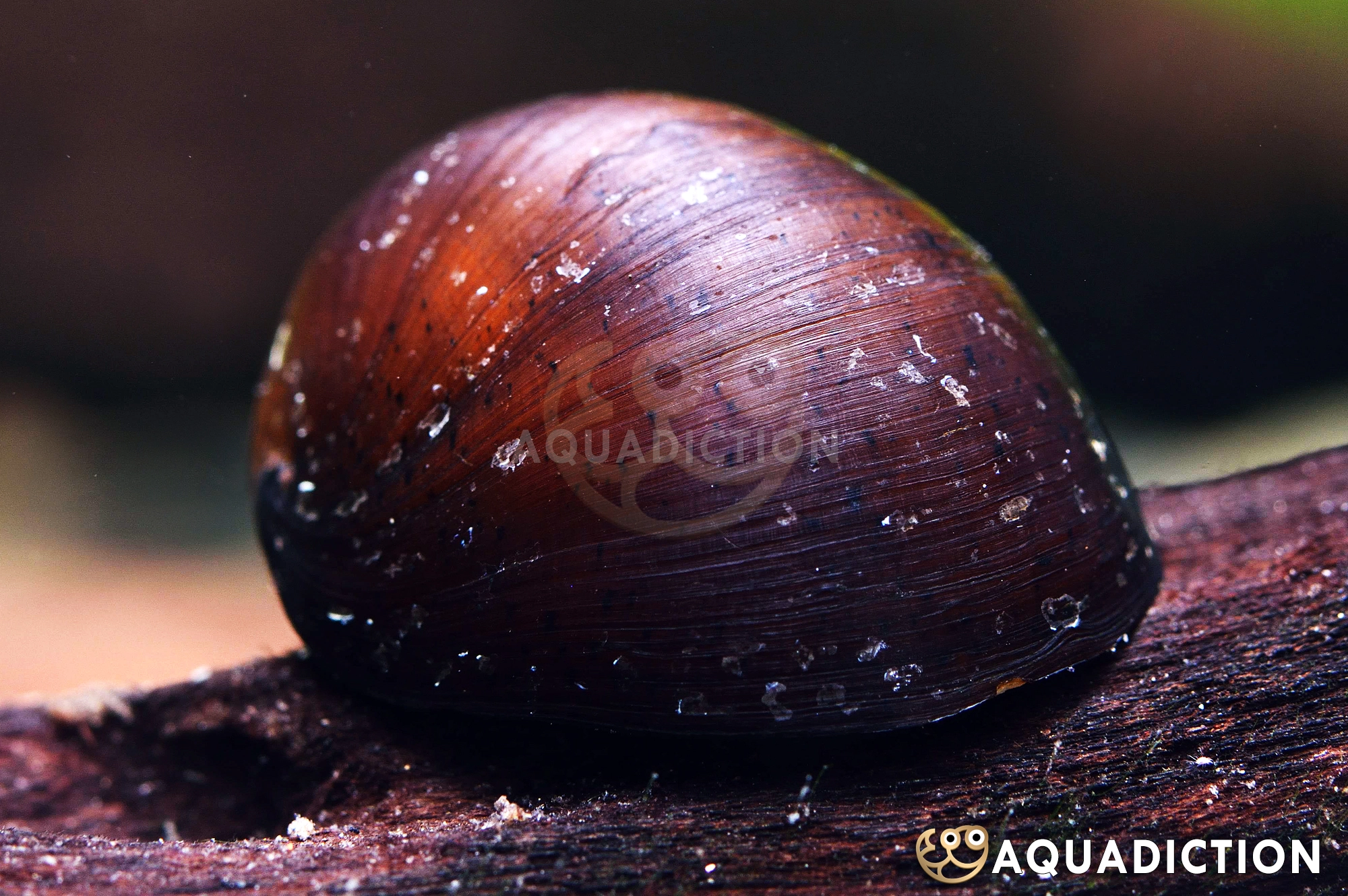
At a glance: Dusky nerite care
Compiled reference information. Review the care notes and original sources below.
What temperature is listed for Dusky nerite?
The compiled profile lists 18.3–29.4 °C for Dusky nerite (Neritina pulligera). Check the original sources below for context and differing recommendations.
What tank size is listed for Dusky nerite?
The profile lists a minimum tank volume of 5.0 US gallons (19.0 liters). Volume alone does not establish suitability; consider dimensions, group size and other inhabitants alongside the full care notes.
What pH is listed for Dusky nerite?
The compiled profile lists a pH of 6.5–8.5. Review the cited care sources alongside the other water parameters in this profile.
Natural habitat
Dusky Nerite Snails are typically found in brackish coastal and estuarine ecosystems, which provide them with the necessary minerals for healthy shell growth. Their natural habitat supports a variety of aquatic plants and organisms that contribute to their diet and overall well-being.
Where they are found
These snails inhabit a variety of freshwater and brackish environments across East Africa, often in coastal mangroves and estuary ecosystems.
Aquarium care
Suitable for beginners, N. pulligera requires a tank with moderate flow and stable temperatures. It is often added as a cleanup crew member in aquariums to help manage algae growth, but it must have access to algae or biofilm to avoid starvation.
Feeding
Dusky Nerite Snails are primarily bottom feeders. They should be fed sinking wafers or frozen foods that settle onto the substrate. Offer small quantities once or twice daily, ensuring to remove any uneaten food to prevent water quality issues.
Compatibility
This species is generally peaceful and can be kept with other compatible fish and invertebrates. However, its diet of algae means it should not be housed with aggressive tank members that may compete for food or harass it.
Breeding
Breeding requires a brackish water environment where adult snails will lay eggs that hatch into larvae. They typically require both male and female snails to produce offspring, which won’t overpopulate freshwater tanks.
Sources
Compiled from multiple independent care sheets — not copied from a single site.