Catalog / fish / Betta krataios
fish · Osphronemidae
Betta krataios
Betta krataios
Wild range: Southeast Asia (Asia)
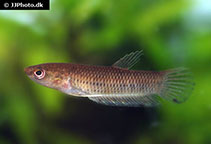
At a glance: Betta krataios care
Compiled reference information. Review the care notes and original sources below.
What temperature is listed for Betta krataios?
The compiled profile lists 23.0–30.0 °C for Betta krataios (Betta krataios). Check the original sources below for context and differing recommendations.
What tank size is listed for Betta krataios?
The profile lists a minimum tank volume of 5.0 US gallons (19.0 liters). Volume alone does not establish suitability; consider dimensions, group size and other inhabitants alongside the full care notes.
What pH is listed for Betta krataios?
The compiled profile lists a pH of 6.0–8.0. Review the cited care sources alongside the other water parameters in this profile.
Natural habitat
Betta krataios is found in slow-moving freshwater environments such as streams and small swamps across Southeast Asia, typically inhabiting areas with dense vegetation and soft substrate. They prefer warmer waters with stable temperatures and moderate pH levels.
Where they are found
The natural distribution of Betta fish is primarily in freshwater habitats across Thailand, Cambodia, Laos, and Vietnam. They are adaptable and can thrive in varying water conditions but prefer warm, stagnant waters.
Aquarium care
In captivity, Betta krataios thrives in well-planted tanks with gentle filtration. Make sure to provide hiding spots using plants and decorations to create a stress-free environment. It's essential to maintain clean water through regular water changes.
Feeding
Betta fish require a high-protein diet, consisting mainly of quality Betta pellets, frozen or live foods such as brine shrimp and bloodworms should be offered occasionally. Feed them once or twice daily, ensuring they only consume what they can eat in 2-3 minutes, and remove any uneaten food promptly.
Compatibility
Betta fish are territorial and are known to be aggressive, particularly males. It's advisable to house males separately or with compatible species that won’t provoke aggression. Females can sometimes be kept in sororities, but they require adequate space to minimize fighting.
Breeding
Breeding Betta krataios requires stable conditions. The males are mouthbrooders, carrying the fertilized eggs in their mouths until they hatch. Keep a close eye on the males to ensure they are healthy, as they can hold eggs for up to two weeks. Ensure your tank has a secured lid to prevent jumping during the spawning process.
Sources
Compiled from multiple independent care sheets — not copied from a single site.