Catalog / fish / Venezuelan corydoras
fish · Callichthyidae
Venezuelan corydoras
Corydoras venezuelanus
Wild range: Venezuela (South America)
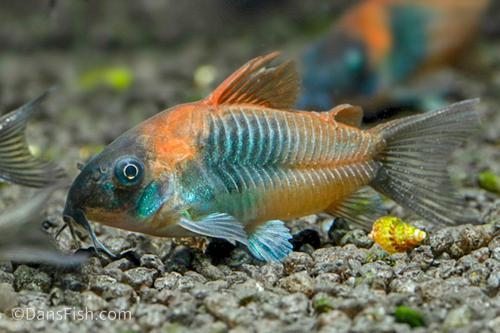
At a glance: Venezuelan corydoras care
Compiled reference information. Review the care notes and original sources below.
What temperature is listed for Venezuelan corydoras?
The compiled profile lists 19.0–26.1 °C for Venezuelan corydoras (Corydoras venezuelanus). Check the original sources below for context and differing recommendations.
What tank size is listed for Venezuelan corydoras?
The profile lists a minimum tank volume of 10.0 US gallons (37.9 liters). Volume alone does not establish suitability; consider dimensions, group size and other inhabitants alongside the full care notes.
What pH is listed for Venezuelan corydoras?
The compiled profile lists a pH of 6.0–8.5. Review the cited care sources alongside the other water parameters in this profile.
Natural habitat
Venezuelan Corydoras thrive in densely planted tanks that mimic their native tropical river habitat. They require moderate water movement for proper oxygenation and a substrate of sand or smooth gravel alongside driftwood and rockwork.
Where they are found
These corys are commonly found in the rivers of Venezuela, often in groups that enhance their social behavior. The species shows a remarkable adaptability to various water conditions, thriving in both hard and soft waters.
Aquarium care
To ensure optimal care for Venezuela Corys, maintain a minimum tank size of 38 liters (10 gallons) for a small group. Provide a sandy substrate to protect their sensitive barbels, and include smooth decorations like driftwood, river rocks, and live plants to mimic their natural environment. Regular water changes and maintaining stable water parameters will help in keeping them healthy.
Feeding
Venezuelan Corydoras are omnivorous and should be fed sinking pellets, algae wafers, and occasionally supplemented with protein-rich foods like brine shrimp and bloodworms. They also enjoy blanched vegetables as part of their diet.
Compatibility
These fish are wonderfully peaceful and get along well with smaller community fish such as Tetras, Rasboras, and Livebearers. They should not be housed with larger, aggressive species that may intimidate or prey on them, ensuring a harmonious aquarium environment.
Breeding
Breeding these corys requires stable water conditions and a suitable spawning setup, such as a separate breeding tank with fine substrate. The females lay eggs on flat surfaces, such as leaves or a spawning mat. After laying, it is advised to remove the parents to prevent them from eating the eggs.
Sources
Compiled from multiple independent care sheets — not copied from a single site.