Catalog / invertebrates / Cardinal Sulawesi shrimp
invertebrate · Atyidae
Cardinal Sulawesi shrimp
Caridina dennerli
Wild range: Southeast Asia (Asia)
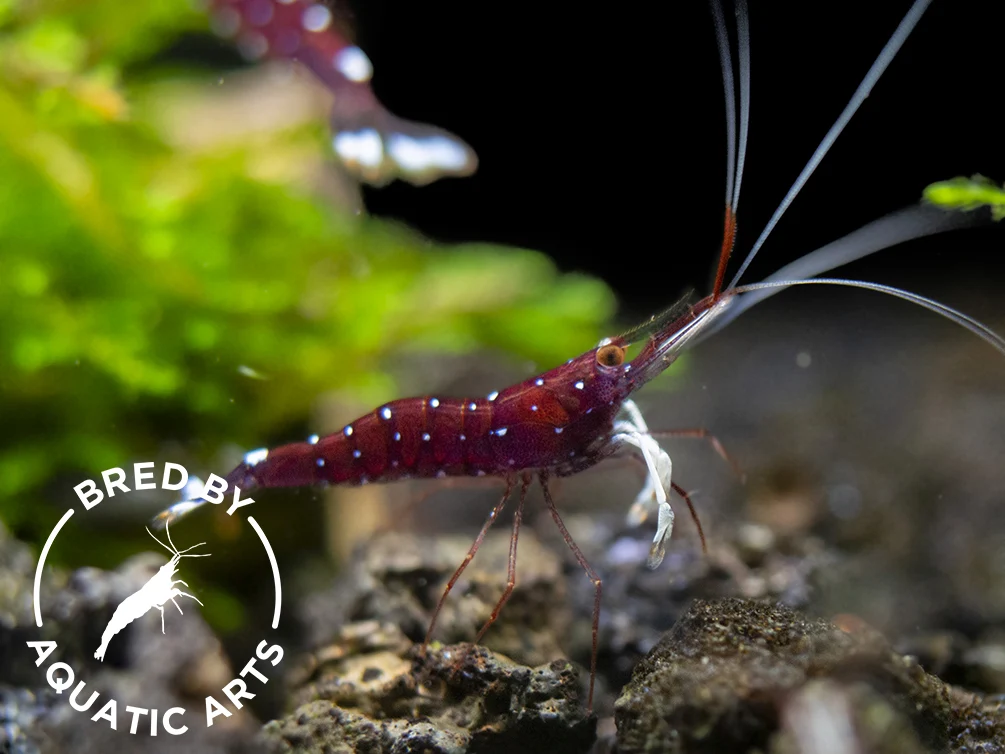
At a glance: Cardinal Sulawesi shrimp care
Compiled reference information. Review the care notes and original sources below.
What temperature is listed for Cardinal Sulawesi shrimp?
The compiled profile lists 26.0–31.0 °C for Cardinal Sulawesi shrimp (Caridina dennerli). Check the original sources below for context and differing recommendations.
What tank size is listed for Cardinal Sulawesi shrimp?
The profile lists a minimum tank volume of 7.9 US gallons (30.0 liters). Volume alone does not establish suitability; consider dimensions, group size and other inhabitants alongside the full care notes.
What pH is listed for Cardinal Sulawesi shrimp?
The compiled profile lists a pH of 7.0–9.0. Review the cited care sources alongside the other water parameters in this profile.
Natural habitat
Sulawesi shrimps thrive in freshwater habitats characterized by stable water parameters and efficient filtration methods. These shrimp prefer slightly alkaline water with minimal ammonia concentration and are sensitive to changes in their environment.
Where they are found
The unique geological history of Sulawesi's lakes has led to a distinct collection of endemic aquatic species, including the cardinal shrimp.
Aquarium care
To ensure the well-being of Cardinal Sulawesi Shrimp, maintain stable water conditions that mirror their natural habitat. Regular monitoring of water parameters and minimal disturbance are key to their health and activity. Provide covering like plants or rocks for them to forage upon and hide from potential threats.
Feeding
Feed Sulawesi shrimps small amounts of homemade food made from ingredients like spirulina and vegetables, ensuring that no food is left uneaten after feeding. Special care should be taken to feed younger shrimps differently than adults, using powdered food.
Compatibility
The Cardinal Sulawesi Shrimp is peaceful and can be kept with a variety of non-aggressive tank mates. However, caution should be exercised with larger or more boisterous fish that might perceive them as food.
Breeding
While cardinal shrimp can breed in captivity, they produce fewer eggs compared to other shrimp species. Maintaining consistent water parameters and providing ample biofilm are crucial for the survival of the young offspring.
Sources
Compiled from multiple independent care sheets — not copied from a single site.