fish · Cyprinidae
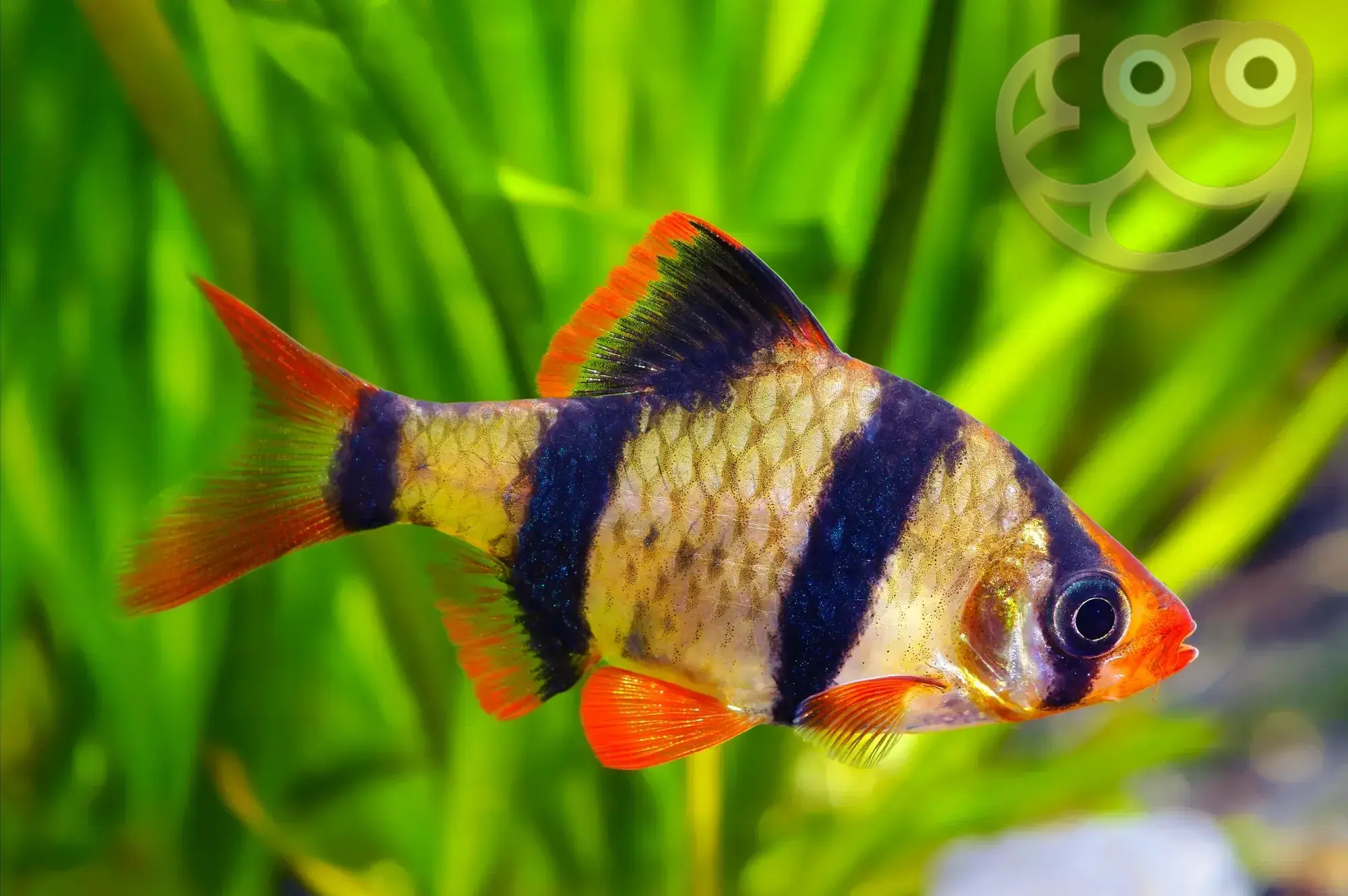
Tiger barb
Puntigrus tetrazona
Wild range: Southeast Asia (Asia)
At a glance: Tiger barb care
Compiled reference information. Review the care notes and original sources below.
What temperature is listed for Tiger barb?
The compiled profile lists 22.0–28.0 °C for Tiger barb (Puntigrus tetrazona). Check the original sources below for context and differing recommendations.
What tank size is listed for Tiger barb?
The profile lists a minimum tank volume of 10.0 US gallons (38.0 liters). Volume alone does not establish suitability; consider dimensions, group size and other inhabitants alongside the full care notes.
What pH is listed for Tiger barb?
The compiled profile lists a pH of 6.0–8.0. Review the cited care sources alongside the other water parameters in this profile.
Natural habitat
Tiger Barbs are found in slow-moving waters such as lakes, rivers, and ponds across Southeast Asia. Their natural habitat consists of dense vegetation, providing them with ample cover and foraging areas.
Where they are found
In their natural environment, Tiger Barbs are found in slow-moving waters filled with dense vegetation, allowing for both refuge and foraging opportunities. Mimicking these conditions in an aquarium is crucial for their well-being.
Aquarium care
When keeping Tiger Barbs, ensure they are housed in groups of at least five to reduce aggression. It’s best to maintain stable water parameters and provide a well-filtered tank with moderate water circulation and sufficient hiding spots.
Feeding
A varied diet is crucial for Tiger Barbs, including high-quality flakes or pellets as staples, complemented by occasional feedings of live or frozen foods such as bloodworms and brine shrimp. Providing vegetable-based foods will also help ensure proper nutrition and digestion.
Compatibility
While Tiger Barbs are semi-aggressive, they can coexist with a range of robust or fast-moving species. Caution should be taken when housing them with slower fish, as their fin-nipping behavior can cause stress and injury. Recommended tank mates include other barbs, zebra danios, and corydoras catfish.
Breeding
Breeding Tiger Barbs requires a separate breeding tank with spawning mops or plants. They are egg layers and the parent fish should be removed after spawning to prevent them from eating the eggs.
Sources
Compiled from multiple independent care sheets — not copied from a single site.