fish · Osphronemidae
Giant betta
Betta anabatoides
Wild range: Southeast Asia (Asia)
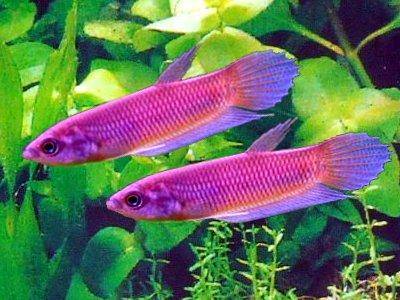
At a glance: Giant betta care
Compiled reference information. Review the care notes and original sources below.
What temperature is listed for Giant betta?
The compiled profile lists 24.0–30.0 °C for Giant betta (Betta anabatoides). Check the original sources below for context and differing recommendations.
What tank size is listed for Giant betta?
The profile lists a minimum tank volume of 10.0 US gallons (38.0 liters). Volume alone does not establish suitability; consider dimensions, group size and other inhabitants alongside the full care notes.
What pH is listed for Giant betta?
The compiled profile lists a pH of 4.5–7.5. Review the cited care sources alongside the other water parameters in this profile.
Natural habitat
Giant Betta fish thrive in shallow waters, including rice paddies and slow-moving streams. They prefer environments rich in vegetation that provide hiding places and places to build their bubble nests, which are crucial for their breeding habits.
Where they are found
This species originates from Thailand and is also present in various Southeast Asian countries including Vietnam and Cambodia. The Giant Betta has been selectively bred from the standard Betta splendens for its larger size and vibrant colors.
Aquarium care
Giant Bettas require a well-maintained aquarium of at least 40 liters to accommodate their size and preferences for gentle, stable conditions. Regular water changes and effective filtration are critical to avoid stress-induced health issues. They thrive in aquariums with soft substrates, ample plant cover, and subdued lighting, allowing them to feel safe and secure.
Feeding
Giant Bettas require a high-protein diet rich in animal matter. Foods such as high-quality pellets, live or frozen food like bloodworms or brine shrimp are essential for their health. Feed them based on their appetite and avoid overfeeding to maintain water quality.
Compatibility
Giant Bettas are peaceful and can coexist with other gentle species in a community tank. However, they should not be housed with aggressive or overly boisterous tankmates that could induce stress.
Breeding
Breeding Giant Betta Fish requires careful selection of healthy parents and specific tank conditions. A breeding tank at 26-28°C with a pH of 6.5-7.5 is ideal. Males will create a bubble nest and chase females around the tank. After laying eggs, the female should be removed to avoid aggression from the male.
Sources
Compiled from multiple independent care sheets — not copied from a single site.