fish · Osphronemidae
Toba betta
Betta rubra
Wild range: Southeast Asia (Asia)
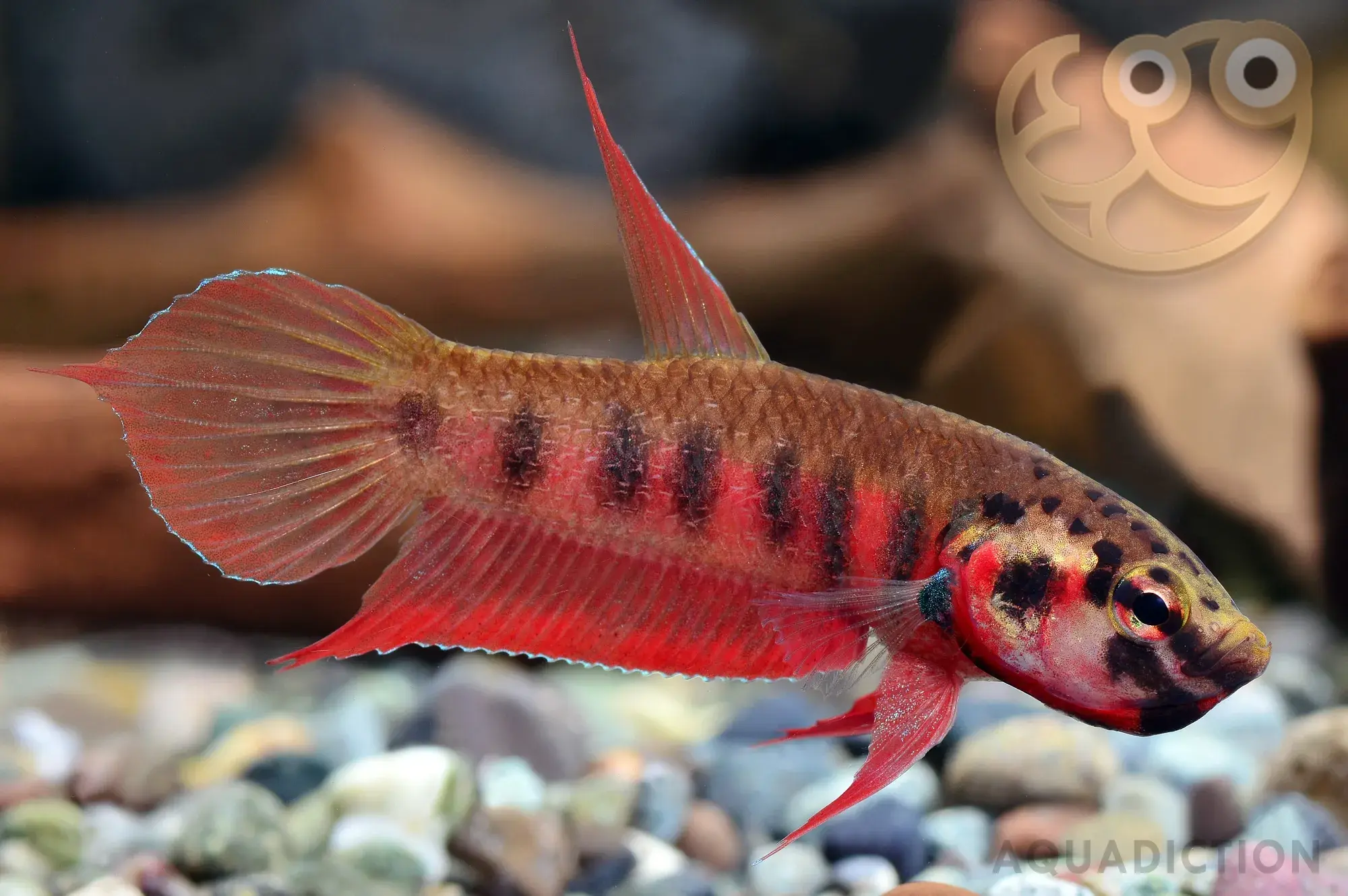
At a glance: Toba betta care
Compiled reference information. Review the care notes and original sources below.
What temperature is listed for Toba betta?
The compiled profile lists 24.0–30.0 °C for Toba betta (Betta rubra). Check the original sources below for context and differing recommendations.
What tank size is listed for Toba betta?
The profile lists a minimum tank volume of 5.0 US gallons (19.0 liters). Volume alone does not establish suitability; consider dimensions, group size and other inhabitants alongside the full care notes.
What pH is listed for Toba betta?
The compiled profile lists a pH of 5.5–7.5. Review the cited care sources alongside the other water parameters in this profile.
Natural habitat
Rubra bettas are native to the peat swamps of Sumatra, Indonesia, where they thrive in conditions of slightly acidic water enriched with tannins. This type of habitat mimics their natural environment, essential for their coloration and breeding behavior. They can adapt to a wide range of water conditions but prefer clean, cycled, and heated water.
Where they are found
Predominantly located in Southeast Asia, thriving in warm waters with abundant plant life.
Aquarium care
To successfully care for B. rubra, provide a well-planted aquarium with hiding spots. Oak leaves can be added to lower pH and release beneficial tannins. Regular water changes are essential, especially if your tank isn't fully filtered.
Feeding
Rubra bettas are not picky eaters and have a varied diet that includes flake food, frozen food, and live foods like brine shrimp. They should be fed a balanced diet to ensure they are healthy and active. Special attention should be given to juveniles, as they are more sensitive to water conditions and food quality than adults.
Compatibility
B. rubra is best kept alone or with small shrimp due to its potential predatory behavior towards smaller tank mates. Males can be territorial, especially when breeding.
Breeding
Breeding can be achieved by providing a separate breeding tank with fine-leaved plants for the eggs to adhere to. The parents should be removed after spawning to avoid eating the eggs.
Sources
Compiled from multiple independent care sheets — not copied from a single site.